E-Paper



Indians failing to meet recommended standard of physical activity, finds study
Half of Indian adults didn't meet physical activity recommendations in 2022, leading to increased health risks.

 Prefer HTon Google


One in two Indian adults did not meet recommended level of physical activity in 2022 according to new data published in medical journal The Lancet Global Health on Tuesday, with the consequence being greater risk of cardiovascular diseases such as heart attacks and strokes, type 2 diabetes, dementia and breast and colon cancers, said experts.
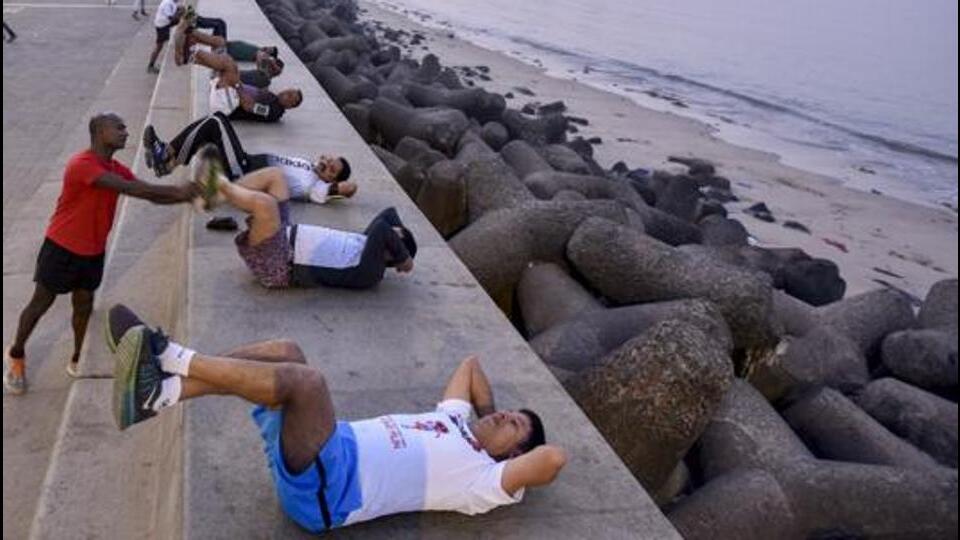
The proportion of such adults worldwide was 31%, but it was 49.4% in India, followed by 45.7% in Pakistan. The corresponding proportion was only 9.9% in Bhutan and 8.2% in Nepal. It is estimated that on the current trajectory, the proportion of adults who do not meet the recommended level of physical activity will reach 59.9% by 2030 in India.
The highest rates of physical inactivity were observed in the high-income Asia Pacific region (48%) and South Asia (45%), with levels of inactivity in other regions ranging from 28% in high-income Western countries to 14% in Oceania.
Also read : Looking for the Fountain of Youth? Try the gym and weight-resistance training now
According to experts, the findings point to a worrying trend of physical inactivity among adults, which has increased by about 5 percentage points between 2010 and 2022.
“If the trend continues, levels of inactivity are projected to further rise to 35% by 2030, and the world is currently off track from meeting the global target to reduce physical inactivity by 2030,” said the researchers.
The World Health Organization (WHO) recommends that adults have 150 minutes of moderate-intensity, or 75 minutes of vigorous-intensity physical activity, or equivalent, per week. Physical activity refers to all movement. Popular ways to be active include walking, cycling, wheeling, sports, active recreation and play, and can be done at any level of skill and for enjoyment by everybody. Work such as household chores or jobs requiring physical labour is another way to be physically active, said WHO experts.
WHO researchers together with academic colleagues undertook the study.
“These new findings highlight a lost opportunity to reduce cancer, heart disease and improve mental well-being through increased physical activity,” said Tedros Adhanom Ghebreyesus, WHO Director-General, in a statement. “We must renew our commitments to increasing levels of physical activity and prioritize bold action, including strengthened policies and increased funding, to reverse this worrying trend.”
Disparities remain between gender and age, said experts. Physical inactivity is still more common among women globally compared with men, with inactivity rates of 34% compared to 29%. In some countries, this difference is as much as 20 percentage points. Additionally, people over 60 are less active than other adults, underscoring the importance of promoting physical activity for older adults.
“Physical inactivity is a silent threat to global health, contributing significantly to the burden of chronic diseases,” said Dr Rüdiger Krech, director of health promotion at WHO, in a statement. “We need to find innovative ways to motivate people to be more active, considering factors like age, environment, and cultural background. By making physical activity accessible, affordable, and enjoyable for all, we can significantly reduce the risk of non-communicable diseases and create a population that is healthier and more productive.”
Also read : Transformative power of Yoga: Benefits for women through puberty, motherhood and menopause
According to WHO, regular physical activity reduces risk of many types of cancer by 8-28%; heart disease and stroke by 19%; diabetes by 17%, depression and dementia by 28-32%. It is estimated that 4-5 million deaths per year could be averted if the global population was more active.
Despite the worrying results, there is a silver lining in the form of some signs of improvement in some countries. The study showed that almost half of the world’s countries have made some improvements over the past decade, and 22 countries were identified to be on track to reach the global target of reducing inactivity by 15% by 2030, if their trend continues at the same pace.
In light of these findings, WHO said that it is calling on countries to strengthen their policy implementation to promote and enable physical activity through grassroots and community sport and active recreation and transport (walking, cycling and use of public transport), among other measures.
“Promoting physical activity goes beyond promoting individual lifestyle choice — it will require a whole-of-society approach and creating environments that make it easier and safer for everyone to be more active in ways they enjoy to reap the many health benefits of regular physical activity,” said Dr Fiona Bull, head of the WHO Unit for Physical Activity.