
 E-Paper



India’s economic challenges beyond 7.8% growth and 4.8% inflation | Number Theory
Economic commentary in the past couple of weeks in India has been dominated by the debate around the veracity of its GDP numbers.
Updated on: Sep 19, 2026, 12:33:01 IST

 Prefer HTon Google
Share via


Copy link

Economic commentary in the past couple of weeks in India has been dominated by the debate around the veracity of its GDP numbers. The debate, triggered by the 7.8% GDP growth in the quarter ending June -- the number itself wasn’t a surprise, and was in the region of estimates by professional forecasters -- was more rhetorical than technical. Even some critics conceded that the GDP numbers were technically sound.

Then came the inflation data for August, which was also on expected lines. Understanding India’s economic challenges at the present moment, requires taking a slightly longer-term view than getting bogged down with growth and inflation data. Here are some data points which try and put things in perspective.
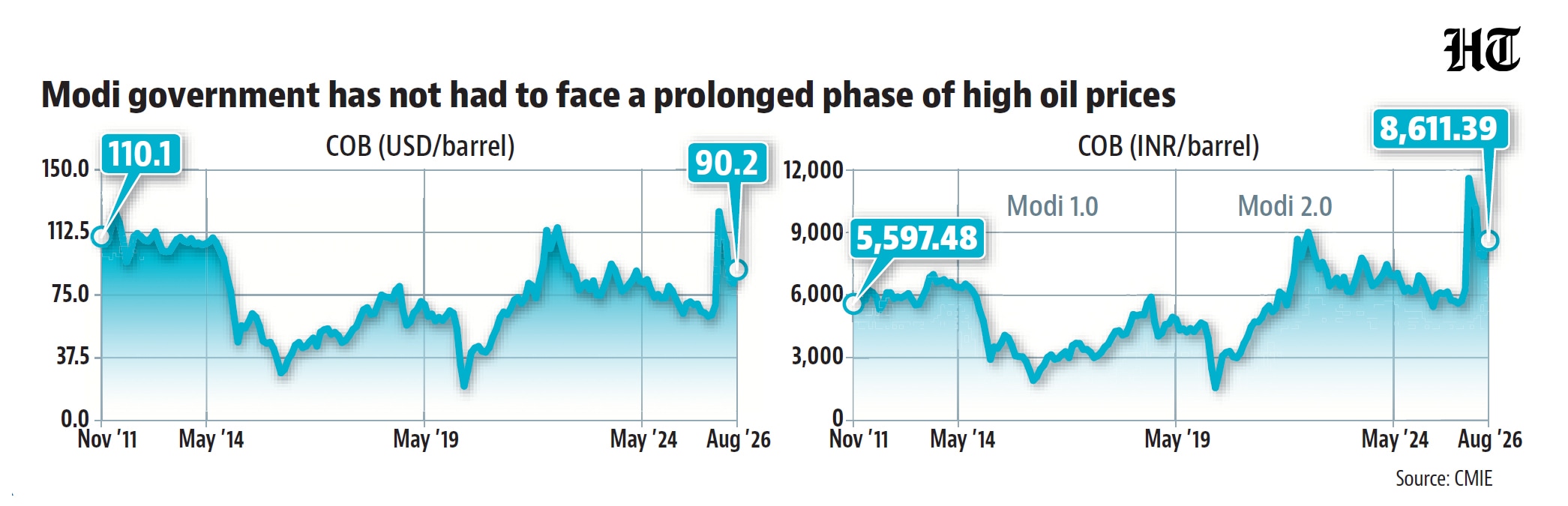
 A politics-inflation trade-off has not really tested this governmentThe current government led by Narendra Modi is now in its third term. If there is one area where it has been extremely lucky , it is the commodity price environment. This government’s predecessor, the second United Progressive Alliance (UPA) government faced a prolonged period of high prices under its term. Crude oil was consistently above $100 per barrel from XXX onwards. Prices fell sharply in the first half of the first Modi government and even though they increased thereafter, they only crossed the $100 threshold for a brief period when the Russia-Ukraine war started in 2022. Even then, India could ease some of the price pressure by buying crude at a discount from Russia, which was facing sanctions in markets such as Europe. The surge in oil prices after the war in Iran, especially the more recent spike, might not ease anytime soon. This presents the first difficult politics-inflation trade-off for the current government. Not raising retail prices will put pressure on fiscal numbers at a time when international markets are already turbulent.
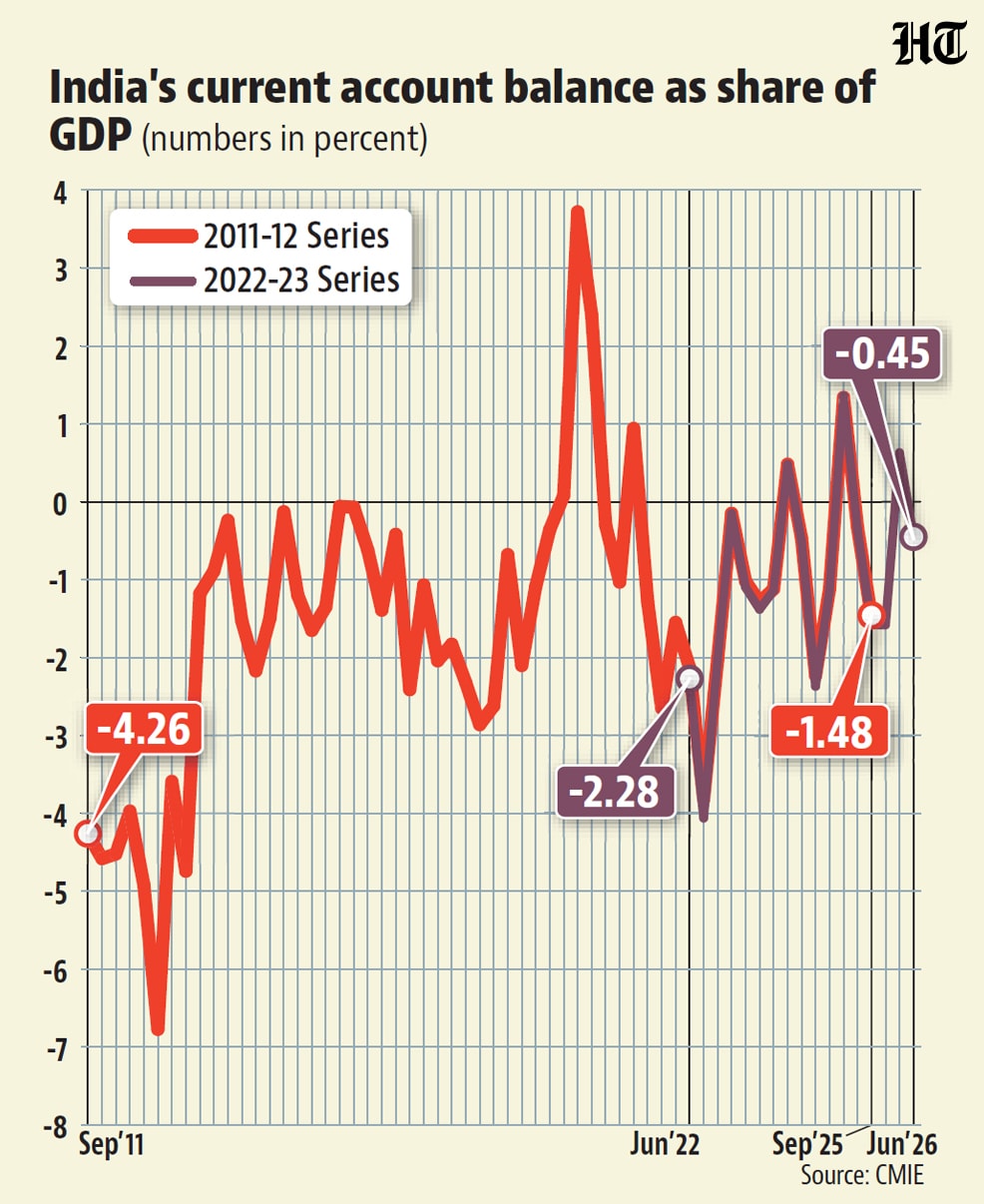
- What is acting as a buffer right now is a manageable current account deficitThe fag end of UPA II government was characterized by India being put in the infamous club of fragile five economies, which referred to its predicament of running a high fiscal deficit, current account deficit and inflation. The primary reason India is not facing any such credibility problems right now is the fact that its current account deficit is much lower compared to what it was back then. Current account deficit started rising in the aftermath of the 2008 Global Financial Crisis and increased to as high as 4.8% of GDP in 2012-12. This number has crossed 2% only two times since then (2018-19 and 2022-23)and has been under one percent in the last three years.
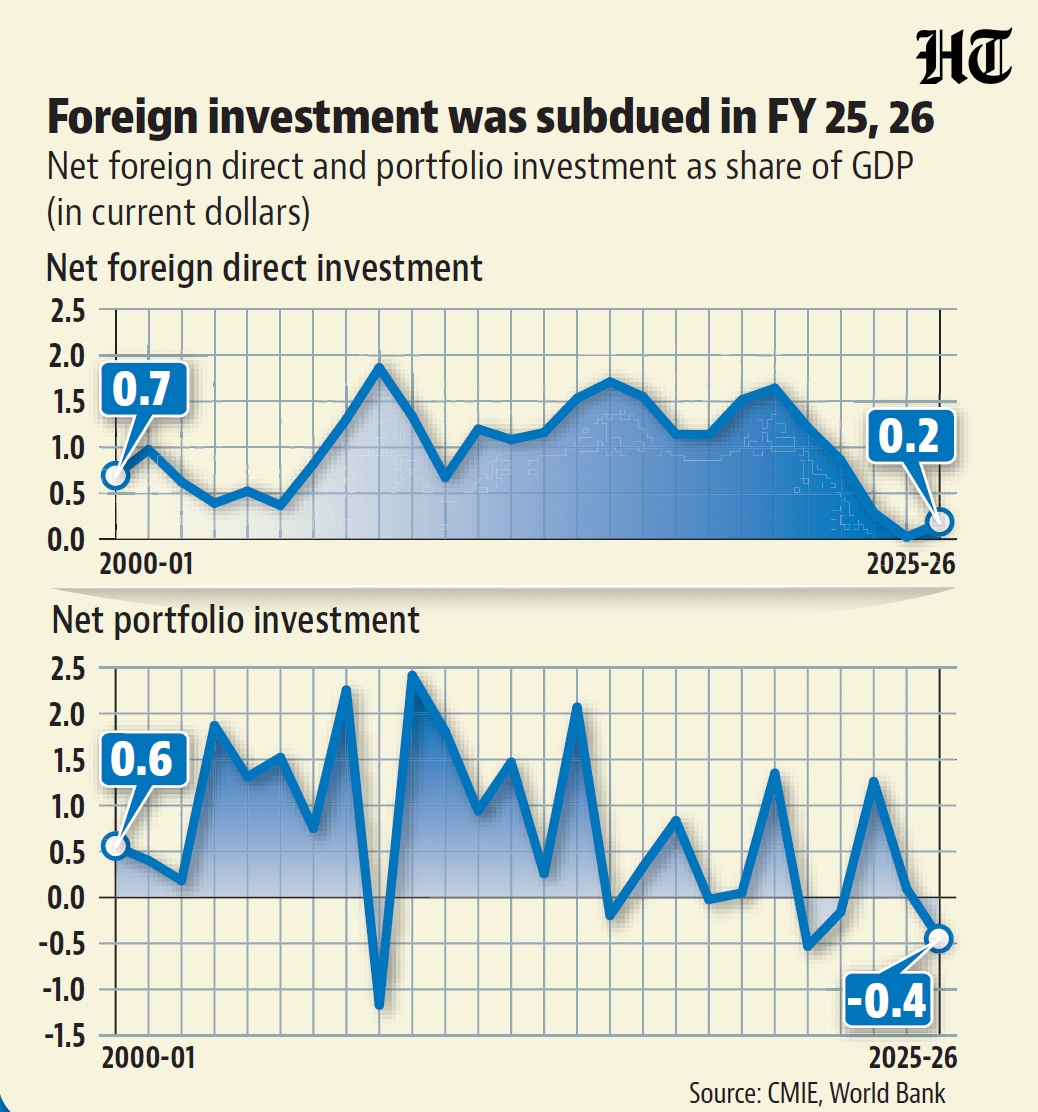
- But subdued capital flows have been testing even this extraordinary bufferUnless a deficit on the current account is balanced by a surplus on the capital account (read capital flows), it will require extraordinary measures to mobilise foreign exchange reserves. The recent move by RBI to seek foreign exchange deposits under its swap programme including FCNR deposits was one such measure. The reason RBI had to resort to such a move was that capital flows have been subdued enough to not cover even the extraordinary low current account deficit levels in India. The reason for low capital flows in India, despite India’s macroeconomic fundamentals being robust, is to be seen in India’s relative attractiveness to foreign capital coming down because of things such as higher interest rates in advanced economy markets and boom in sectors such as AI, where India has very little play in the larger game.
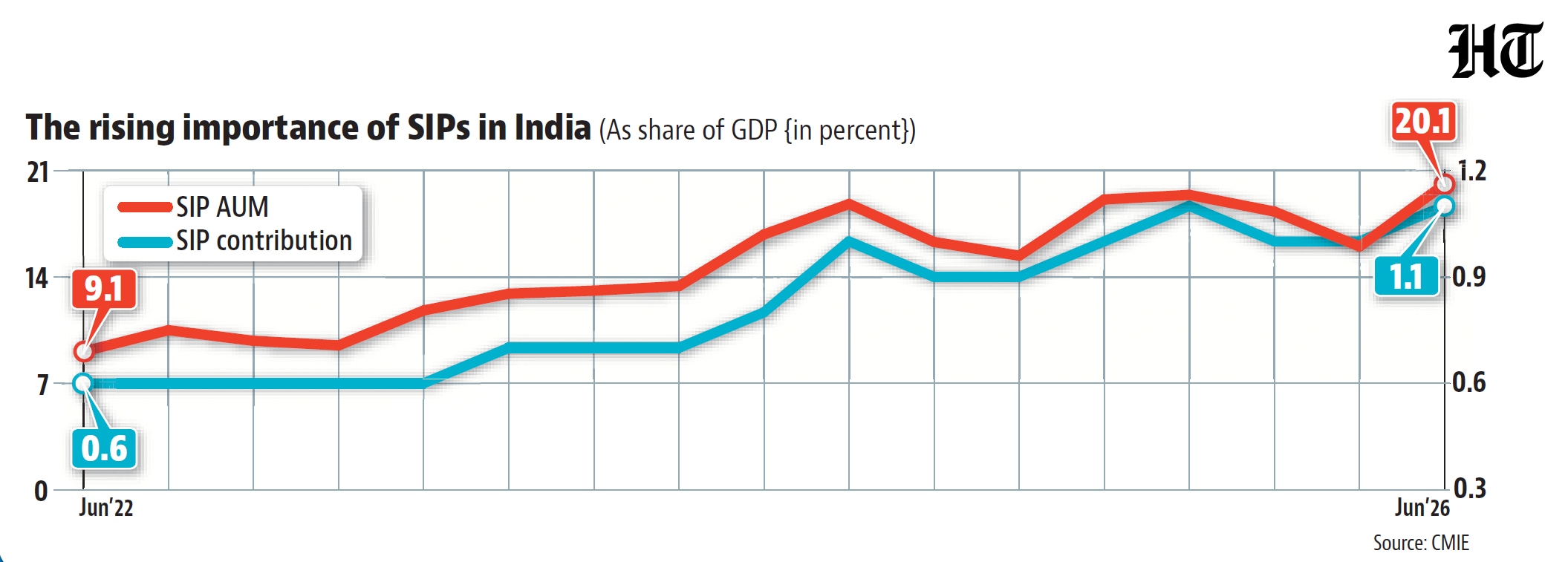
- The actual economic challengeIndia’s real economic problem, going forward, is not going to be an unmanageable surge in inflation or collapse in growth. What it might face however, is a problem of sustaining its external balance unless capital flows revive on a sustained basis. With the world moving from one unprecedented disruption to another, and its largest economy leading the disruption, the future can be anything but comfortable. This is the larger economic challenge facing India at the moment. What makes it politically more important is that Indian households are significantly more invested in financial markets, as seen in the rise in contributions and assets under management in things such as Systemic Investment Plans (SIPs) of mutual funds.

Unlock a world of Benefits with HT! From insightful newsletters to real-time news alerts and a personalized news feed – it's all here, just a click away! -Login Now!


