
 E-Paper



IndiGo meltdown: DGCA caves in, freezes crew duty rules amid flight disruptions
The exemption came on the day IndiGo warned of the highest number of cancellations, maintaining it was taking necessary steps to reboot its systems

 Prefer HTon Google


The government froze crew fatigue rules introduced last month a day after IndiGo sought relief on implementing these regulations that the airline blamed for continuing flight cancellations that stretched into a fourth day on Friday, stranding tens of thousands of passengers.
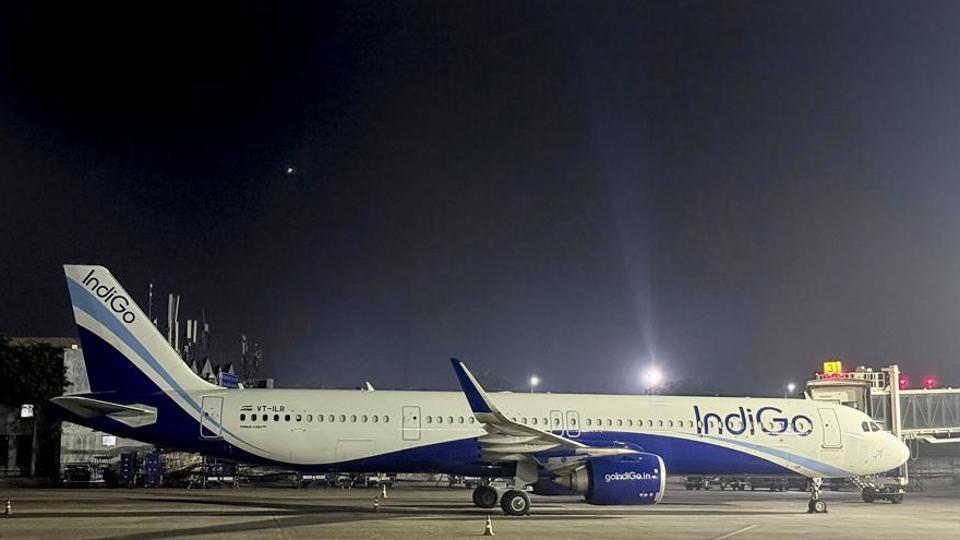
Civil aviation minister Ram Mohan Naidu said in a statement on Friday that the Flight Duty Time Limitations (FDTL) orders of the civil aviation regulator have been placed in abeyance with immediate effect. The statement also said the government has decided to institute a high-level inquiry into the disruptions. “The inquiry will examine what went wrong at Indigo, determine accountability wherever required for appropriate actions, and recommend measures to prevent similar disruptions in the future, ensuring that passengers do not face such hardships again,” the statement said.
Earlier in the day, the Directorate General of Civil Aviation (DGCA) said in an order that it was exempting the airline's Airbus A320 fleet from certain rules on pilot duty hours at night, after a representation from Indigo. The airline has said full restoration of operations would take until February 10.
The exemption came on the day IndiGo warned of the highest number of cancellations, maintaining it was taking necessary steps to reboot its systems and schedules for progressive improvement.
“Short-term proactive cancellations are being made to ease operations, decongest the airports to prepare for starting stronger tomorrow,” the airline said in a post on X.
IndiGo on Friday cancelled all its flights from Delhi airport until midnight, from Chennai airport till 6pm, at least 104 from Mumbai, 92 from Hyderabad, 102 from Bengaluru, 30 from Goa, and 11 from Jammu.
On Thursday, IndiGo cancelled over 400 flights as it admitted to the aviation regulator that the meltdown stemmed from “misjudgment and planning gaps” in adapting to rules it had two years to prepare for. Over 200 flights were cancelled on Tuesday and Wednesday.
The crisis underscored the fragility of a business model based on cost optimisation, with minimal operational buffers, and the lack of choice for passengers in the sector, which is largely a duopoly between IndiGo and Air India.
IndiGo, which commands 60% of India’s domestic market, is the only option in many sectors.
IndiGo’s low-cost strategies left the airline with insufficient crew when the new Flight Duty Time Limitations (FDTL) came into force on November 1, after multiple extensions for implementation. Pilots have alleged there have been hiring freezes, non-poaching agreements with rivals, and pay freezes, which have left the airline short-handed while filling rosters.
IndiGo told the DGCA that the airline’s requirement for pilots-in-command increased from 2,186 in October to 2,422 in November under the new norms. As of December, IndiGo has 2,357 pilots-in-command, a deficit of 65. For first officers, the requirement rose from 1,948 to 2,153, with the airline currently employing 2,194.
As of December 2, IndiGo had 416 aircraft in its fleet, with 366 in operations and 50 grounded, up from 47 the previous month.
The Airline Pilots Association of India, which represents over 6,000 pilots, expressed what it called “profound concern” over “selective dispensations” to IndiGo, saying it undermined the spirit of the FDTL and “gravely compromised the safety of the flying public”. It said any dilution in FDTL norms would expose pilots, passengers, and aircraft to unacceptable risks.
In a letter to the DGCA earlier, the association said that despite the two-year preparatory window before full FDTL implementation, the airline inexplicably adopted a hiring freeze, signed non-poaching arrangements, maintained a pilot pay freeze through cartel-like behaviour, and demonstrated other short-sighted planning practices.
The FDTL has been designed to combat pilot fatigue. It aligns with global standards, increases mandatory weekly rest periods from 36 to 48 hours, and limits night-time landings to two per week, down from six. The revised norms were implemented in two phases on July 1 and November 1, pursuant to the Delhi high court directions.
The airline told the regulator that the disruption had primarily arisen due to the implementation of FDTL Phase 2, which has resulted in significant crew availability constraints.
The airline admitted that it could not adequately anticipate, crew planning and rostering preparedness were insufficient, resulting in widespread disruption, the DGCA order said.
“The resulting impact has caused considerable passenger inconvenience, for which the primary accountability rests with the operators. The operator has indicated that crew recruitment will occur in the coming days...to achieve compliance with the required standards.”
The regulator cited deliberations with the civil aviation ministry and said the one-time exemption was necessary to stabilise the national aviation network and restore normalcy in passenger services. It added that it was granting IndiGo a temporary exemption for its A320 fleet from specific provisions of the revised FDTL in the public interest.
The clauses exempted include requirements related to night duty and operations that encroach on it. “The exemption is granted solely to facilitate operational stabilisation and shall not be construed as dilution of safety requirements,” the DGCA said.
The relaxation will remain valid until February 10, with a mandatory review every 15 days based on operational data and compliance reports.
The regulator said IndiGo must submit a fortnightly progress report detailing actual crew utilisation, steps taken to enhance availability, operational improvements achieved, and revised planning and rostering measures as part of the approval conditions. It added that the airline must provide a 30-day roadmap for full compliance with the new FDTL norms, including specific timelines for achieving 100% adherence.
“The operator shall ensure strict adherence to all other provisions of FDTL...without exception. Safety shall remain paramount,” the order said.
The DGCA added it reserves the right to withdraw this exemption at any time in the interest of flight safety, stressing that the measure is temporary and intended only to alleviate ongoing disruptions and ensure continuity of essential air services.


