
 E-Paper



Kerala weighs reverse quarantine option to protect vulnerable from Covid-19
Reserve quarantine is a practice of detaching the most vulnerable people, aged or people with co-morbidity conditions, from the rest and monitor their health indicators closely to protect them from infection.


Kerala plans to introduce “reserve quarantine” along with the present “track, trace and treatment” regime as part of a multi-pronged strategy to fight Covid-19, a senior health ministry official said on Thursday.
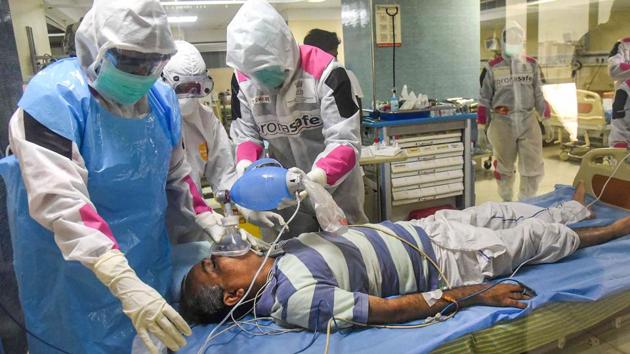
“The state has realised that it is a long haul and needs a multi-pronged strategy to fight the invisible enemy,” he said.
Reserve quarantine is a practice of detaching the most vulnerable people, aged or people with co-morbidity conditions, from the rest and monitor their health indicators closely to protect them from infection. The government is working on the idea that in case of a community spread, it can isolate its large volume of grey population and check their mortality rate effectively unlike what occurred in some of the western countries.
Follow coronavirus latest updates here.
Kerala has reported 438 Covid-19 cases so far out of which 324 have recovered and three have died.
Out of Kerala’s population of 3.34 crore (census 2011), 48 lakh are above 60 years of age and out of these 15 per cent are above 80, according to the state’s economic review. With better health care facilities, life expectancy is high in the state, said the review while warning that the growing number of aged and shrinking numbers of youth will bring a demographical change in the state soon.
Under reverse quarantine people with underlying medical conditions, especially those aged 65 years and above and persons whose immunity is compromised will be segregated. This will be implemented through local bodies which are tasked with providing medicine, food, counselling and other assistance to those who are set to undergo this exercise for their safety.
Since the state does not have slums and most families normally stay in separate houses, reverse quarantine will be easier to implement, experts say. Many local bodies and grassroots Asha workers have started collecting details of vulnerable people in the Covid-19 hotspots.
“As the pandemic spreads deeper into the community, reserve quarantine is one of the solutions that is expected to keep vulnerable people safe from the virus. It doesn’t mean that they will have to be moved to care homes. In the house itself they can be given a separate room and their interaction with other family members can be controlled,” said epidemiologist and former principal of the Christian Medical College, Vellore Dr Jayaprakash Muliyil.
Health experts like him say all pandemics stop spreading when a certain number of people in the population become immune to the virus. Experts call it herd immunity which is defined as a large number of people in the community who are immune to the virus.
“The immunity against Covid-19 depends on whether it generates neutralizing antibodies and also how long the antibody remains protective. We need to accept a fact now that we can’t say when it will end. Not all viruses can be prevented by vaccines either. Some of the viruses like influenza antigens do change frequently which poses serious challenge to vaccine makers also,” said Dr Muliyil.


