
 E-Paper



Leonid meteor shower to reach peak today: When and where to watch
The shower occurs when planet Earth crosses the orbital path of Comet 55P/Tempel-Tuttle. After the cometary debris enters Earth’s atmosphere and vaporises, one gets to witness the Leonid meteor shower, which peaked yesterday morning.

 Prefer HTon Google


The Leonid meteor shower which usually takes place in mid-November every year is expected to grace Mumbai’s skies past November 18 midnight. People living in areas with low pollution levels will be able to witness Leonid’s grandeur with their naked eyes.
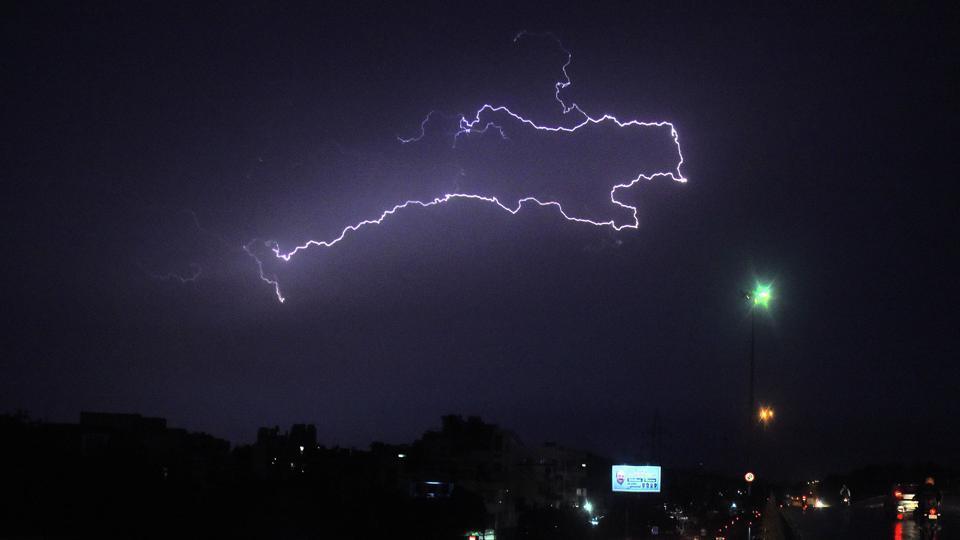
The shower occurs when planet Earth crosses the orbital path of Comet 55P/Tempel-Tuttle. After the cometary debris enters Earth’s atmosphere and vaporises, one gets to witness the Leonid meteor shower, which peaked yesterday morning.
What is the Leonid Meteor shower
The meteor shower that happens at the forefront of the Leo Constellation is known as the Leonid meteor shower. It is one of the most popular meteor showers in the world. 100-200 meteors become visible across the vast skies every year during this shower, with 15-20 meteors raining down on earth every hour. Once in every 33 years the Leonid meteor shower peaks into a meteor storm, the last one to grace earth took place in 1999.
Best places to watch the meteor shower
Parks are usually the best places to watch a meteor shower and winter nights are the best time. The constellations start to look clear and beautiful and celestial bodies become easier to recognize. 10-15 meteors can be seen every hour once the shower reaches its peak.
According to the Weather Channel, the whole of India, with the exception of Tamil Nadu and Kerala where widespread rain is expected, will have clear skies to enjoy the celestial marvel.
When it comes to meteor showers the darker the sky the better the sight. In cities like Mumbai only 3-4 really bright meteors will be visible but in far-off areas like Karjat and Neral, the skies will be darker and 30-40 meteors per hour will be visible. Remote locations with little pollution are ideally suited for stargazing.


