
 E-Paper



Lok Sabha elections 2024 to be second-longest. Why polls entering June, for only 2nd time
Election Commission announces 7-phase Lok Sabha election schedule extending into June, making it the second-longest election period.

 Prefer HTon Google


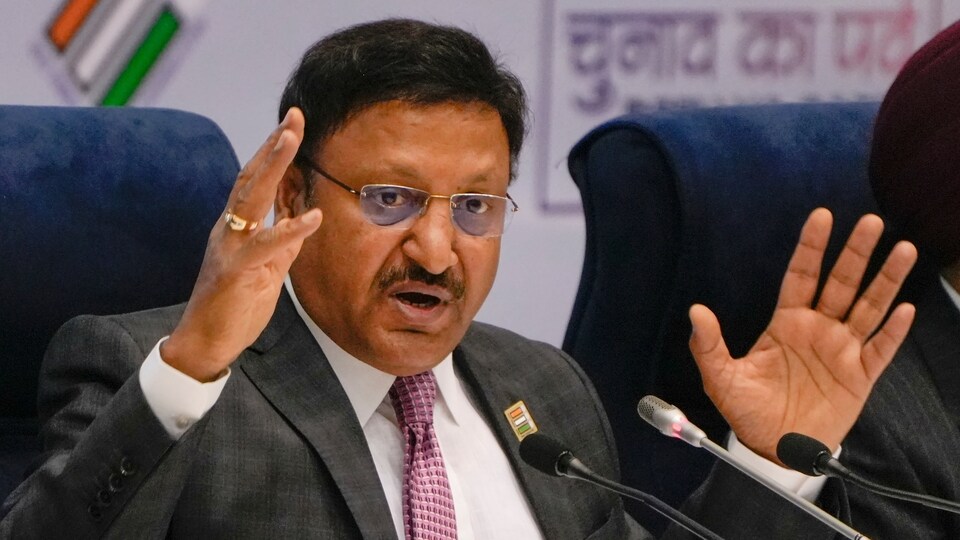
The Election Commission of India on Saturday announced the much-awaited schedule for elections to the 18th Lok Sabha. While the world’s largest democratic exercise will be held in seven phases, like the last time, it will be only the second time that polls will extend into the peak summer month of June. The polling for the first phase will be held on April 19 and the second on April 26, followed by the next phases on May 7, May 13, May 20, May 25 and June 1, respectively. The 44-day Lok Sabha election period also makes it the second-longest after the first Parliamentary elections held in 1951-52. The entire election process, from Saturday's announcement to the declaration of results, lasts 82 days. (Lok Sabha election news LIVE updates)
This protracted process has been necessitated by a combination of factors including a six-day delay in announcing the polls compared to 2019, reported The Indian Express.
Why the 2024 Lok Sabha election announcement was delayed
The delay in the poll announcement was partly due to the two vacancies in the three-member poll panel following the abrupt resignation of Arun Goel, according to the report. Anup Chandra Pandey had already retired on February 14.
Given the significance of the Lok Sabha elections, it was preferred to have the full Commission in place, reported Express quoting a senior officer. Hence, the decision was made to wait until two new Election Commissioners, Gyanesh Kumar and Sukhbir Singh Sandhu, were appointed on March 14 and took charge on March 15. (Also Read: Lok Sabha election 2024: Which state, UT will vote in how many phases? Check details)
Consecutive festivals such as Holi, Tamil New Year, Bihu, and Baisakhi in March and April are also said to be one of the reasons for the marathon timeline. The scheduling of the election had to account for various festivals and holidays.
“There are many factors that contribute to drafting an election schedule. For instance, security forces require at least six days for inter-state movement and redeployment between two election phases. If there’s a festival in between, we must ensure that crucial days such as nomination, the last date of withdrawal, or even polling day do not coincide with it, as it could disrupt the entire process,” the report quoted an official as saying.
The counting of votes will take place on June 4.


