
 E-Paper



Maharashtra to set up panel to study SC order on Maratha reservation
The state government also asked chief secretary Sitaram Kunte to take a review of recruitments that have been affected due to the verdict.


The Maharashtra government on Saturday announced to appoint a committee under two retired high court judges to review the recent Supreme Court judgment on Maratha reservation and suggest the way forward in the quota issue.
The committee, comprising of five to six other members including laws officers, is expected to submit its report in two weeks to the state government, a person aware of the development said.
The government also asked chief secretary Sitaram Kunte to take a review of the recruitments that have been affected due to the verdict.
According to government officials, more than 3,000 people from the Maratha community were recruited in two years between November 2018 and September 2020. The decision to accord them permanent recruitment is still pending.
“There are hundreds of employees who were recruited on the basis of the reservation given in 2014, but currently are out of job because it was struck down by the Bombay high court. The review needs to be taken about them too. Chief secretary Sitaram Kunte has been asked to take a call on them with deliberation from the secretaries from other departments,” said an official from the general administration department.
Marathas were given 12% and 13% quota in education and government jobs, respectively, under the Socially and Educationally Backward Classes (SEBC) Act, 2018.
Also read | Maratha quota setback in Supreme Court may hurt Maharashtra Vikas Aghadi govt
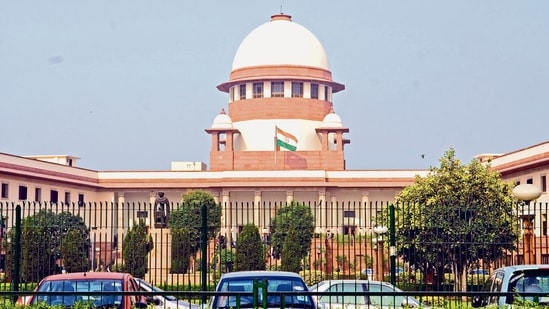
The Supreme Court on Wednesday quashed it, saying people from the community can’t be declared educationally and socially backward just to bring them in the reserved category. The five-judge bench also refused to refer the judgment in 1992 Indra Sawhney case, popularly known as Mandal Commission case, setting a 50% cap on reservation, to a larger bench for reconsideration.
The state cabinet sub-committee on Maratha reservation headed by public works department minister Ashok Chavan and comprising of other senior ministers, held a meeting on Saturday to take a call on future course of action.
“The committee under retired judges will study the SC verdict minutely and give their observations and available legal remedy on the reservation. The state government will take its decision after the report was submitted in two weeks. The decision over filing the review petition before the 5-judge bench will also be taken based on the report,” Chavan told reporters in Mumbai.
The state government is also tapping the option of requesting the central government to intervene as the judgment has stated that the right to accord the reservation was with Centre after the 102nd constitutional amendment.
“Chief minister Uddhav Thackeray will write to president and prime minister requesting them to take required steps for the reservation. The Centre has time and again clarified that the powers of the states have not been nullified even after the amendment, though the SC order has stated otherwise,” Chavan said.
Urban development department minister and member of the cabinet sub-committee Eknath Shinde said the government was committed to continue the benefits to the Marathas. “We have already rolled out sops to the community in terms of scholarship, freeships, hostel facilities, financial assistance for entrepreneurship. They will further be streamlined,” Shinde said.
Meanwhile, legal experts have opined that the state government has very limited options left on the reservation.
“Review petition before the same bench would not help as there should be some other ground than the ones exhausted. Even if the state requests the Centre for the reservation, the ratification of the backwardness of the Marathas would be a task before the state as the quantifiable data submitted by the state backward class commission has not been accepted by the top court. The state can think of entirely new law by weeding out the lacunae in the SEBC Act 2018, but it too will be subject to legal scrutiny,” an official from Mantralaya said, requesting anonymity.


