
 E-Paper



Mamata vs Suvendu in Bhabanipur this time as CM looks to avenge Nandigram 2021 | West Bengal elections 2026
CM Mamata Banerjee had lost last time against Adhikari in Nandigram; had to later enter the House via a bypoll in Kolkata's Bhabanipur

 Prefer HTon Google


West Bengal Chief Minister Mamata Banerjee will contest the 2026 assembly elections from her current seat of Bhabanipur, setting up a direct contest again with the BJP's Suvendu Adhikari, to whom she had lost in Nandigram last time. She had to later enter the House via a bypoll in Kolkata's Bhabanipur in 2021.
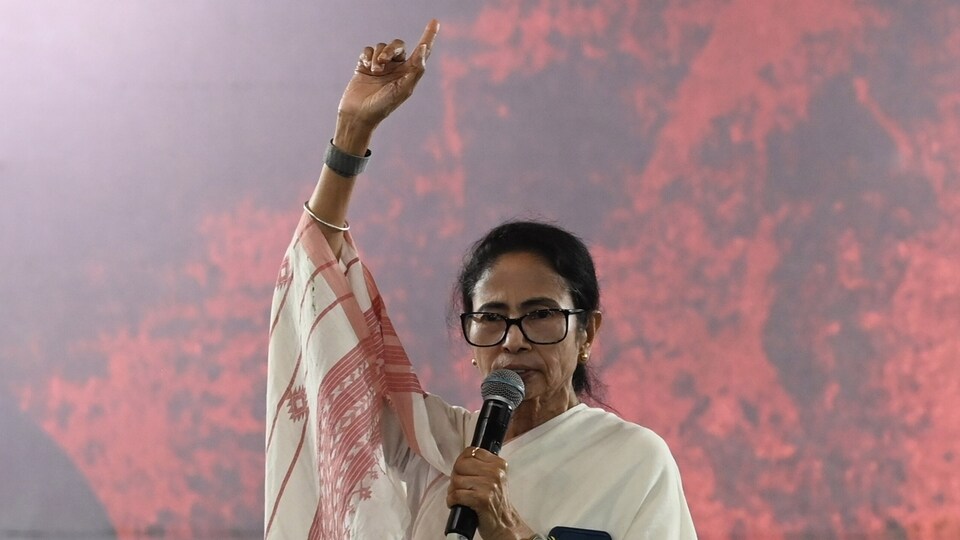
The BJP has already declared Adhikari as its candidate in both Bhabanipur (Bhawanipore) and Nandigram, itching for a direct contest. This also gave heft to the theory that he may be the CM face of the Centre's ruling party.
Mamata Banerjee's name figured on the list of Trinamool Congress (TC) candidates that she declared on Tuesday.
The TMC, chasing a fourth consecutive term, will contest 291 of the 294 seats, she said at a press conference in Kolkata. The remaining three seats in the Darjeeling hills region will be contested by Anit Thapa-led Bharatiya Gorkha Prajatantrik Morcha (BGPM).
Flanked by the party's national general secretary Abhishek Banerjee and state unit president Subrata Bakshi, Banerjee expressed confidence that the party would retain power: “We will win more than 226 seats in the 2026 assembly polls.”
In the 2021 assembly elections, the TMC won 213 seats, securing a hat-trick and improving its tally by two. But Mamata's loss from Nandigram stood out. The BJP emerged as the main opposition, winning 77 seats, up from just three in 2016 — a result of its aggressive campaigning and the continued decline of the Communist parties and the Congress.
Stage set of revenge battle
Even after her individual loss last time, Mamata Banerjee became the CM nonetheless as the Constitution gives six months for winning party's chosen leader to become a member the House.
She won the Bhabanipur bypoll then by a record margin against Priyanka Tibrewal of the Bharatiya Janata Party (BJP). That allowed her to continue as CM.

In Nandigram against Adhikari, who became Leader of Opposition, she had lost by a thin margin of 1,956 votes. But she was anyway elected CM unanimously by the Trinamool Congress legislature party.
When the BJP on Monday released its first list of 144 candidates, Adhikari said, “I will win both seats and defeat Mamata Banerjee again.”
Announcing the TMC candidates on Tuesday, Mamata Banerjee also sought to reassure party leaders and workers who could not get the ticket, saying they “will be accommodated in the organisation”.
On the BJP, she said, "They will receive a befitting reply for their anti-people policies," targeting the Union government led by PM Narendra Modi.


