E-Paper



Odisha train tragedy: Death toll rises to 290 after one more victim dies
According to official data, over 900 people were injured in the train tragedy of which more than 100 are still being treated at SCB Medical College and Hospital in Cuttack and a few private hospitals in Bhubaneswar

 Prefer HTon Google


A 22-year-old migrant labourer from Bihar’s Gopalganj district, who was grievously injured in the June 2 train tragedy at Bahanaga Bazar station of Odisha’s Balasore district, passed away on Friday taking the death toll to 290.
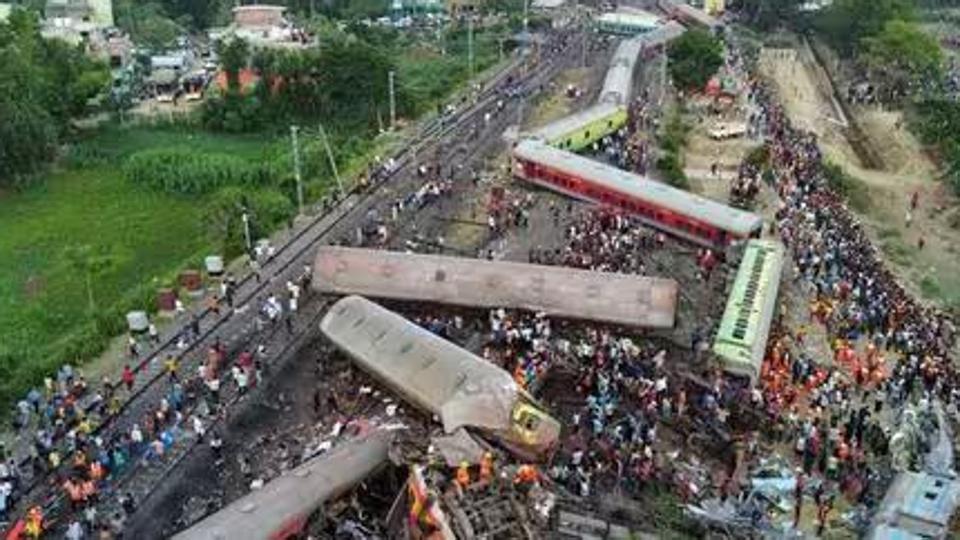
The deceased identified as Prakash Ram, a migrant labourer from Pathra village, was grievously injured while travelling in the general coach of the Yeshwantpur-Howrah Express which derailed and fell in the ditch after being hit by the derailed bogies of Chennai-bound Coromandel Express on June 2 evening.
Ram was admitted to a district headquarters hospital in Balasore and later shifted to the surgery ward of Srirama Chandra Bhanja (SCB) Medical College and Hospital in Cuttack where doctors amputated his left leg below the knee and operated on his left arm which had multiple fractures.
Also Read: Days after Odisha train crash, many wait for DNA tests to get bodies of kin
HT had reported on Ram and other injured migrant labourers in the two passenger trains last week.
Speaking to reporters on Friday, Ram’s mother Pramila Devi said that his son started vomiting and then passed away. “My son was the only earning member of the family as his father is not mentally sound. I don’t know how we will survive,” she said.
Officials said that Ram’s body would be handed over to his family after post-mortem.
According to official data, over 900 people were injured in the train tragedy of which more than 100 are still being treated at SCB Medical College and Hospital in Cuttack and a few private hospitals in Bhubaneswar.
The identities of 81 bodies preserved at Bhubaneswar’s All India Institute of Medical Sciences are yet to be ascertained. The claimants are waiting for DNA test reports.
India’s deadliest rail crash on June 2 in over two decades has left 290 people dead. Officials said 208 bodies have been identified since June 2, but with multiple claims over some bodies, the state government decided on DNA sampling. A total of 78 families have given DNA samples.