
 E-Paper



Ministry of cooperation is a political game changer for 2024
The new ministry was also created in the backdrop of ongoing farmer protests against the new farm laws. The movement has now significant political overtones and are aimed at consolidating the opposition against the BJP in poll-bound states of Punjab, Uttarakhand and UP in 2022.

 Prefer HTon Google


With Union home minister Amit Shah taking charge of the newly created ministry of cooperation, the writing is on the wall. Though the decision taken in the run-up to 2024 general elections didn’t not exactly rule the airwaves but is aimed at reviving the cooperatives in the country, and stopping the exploitation of agriculturists by the middlemen in India’ rural areas.
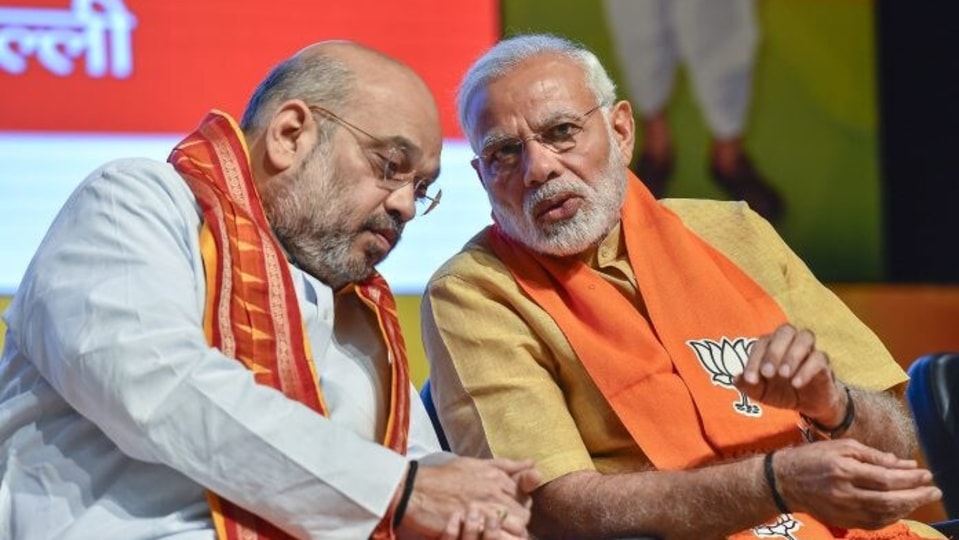
Interestingly, the new ministry was also created in the backdrop of ongoing farmer protests against the new farm laws. The movement has now significant political overtones and are aimed at consolidating the opposition against the BJP in poll bound states of Punjab, Uttarakhand and UP in 2022.
“This ministry will provide a separate administrative, legal and policy framework for strengthening the cooperative movement in the country.
It will help deepen cooperatives as a true people-based movement reaching upto the grassroots,” the cabinet secretariat said in a 6 July statement.
India has a history of successful cooperative movements. A case in point being Amul that was founded in 1946.
“The exploitative trade practices followed by the local trade cartel triggered off the cooperative movement. Angered by unfair and manipulative practices followed by the trade, the farmers of the district approached the great Indian patriot Sardar Vallabhbhai Patel for a solution. He advised them to get rid of the middlemen and form their own co-operative, which would have procurement, processing and marketing under their control,” according to information available on Amul website.
The model has been very successful with the revenue of Gujarat Cooperative Milk Marketing Federation Ltd (GCMMF) that markets dairy products under Amul brand growing to Rs39,200 crore.
A successful agriculture and livestock cooperative movement in other parts of country after new farm laws will not only increase the income of farmers and productivity of land but also add to the nation’s growth in pure GDP terms.
Facing farm protests, the government has been working on this new playbook for some time now. Given the fact that Amit Shah is decisive and hard taskmaster, the new ministry will take off before the 2024 general elections and dampen the already dwindling support to the anti-famer laws agitation.
“The Government is committed to the development of Multi-State Cooperatives and will provide all support to them. To further streamline the ‘Ease of Doing Business’ for Cooperatives, I propose to set up a separate Administrative Structure for them,” finance minister Nirmala Sitharaman said in her budget speech earlier this year.
“In a historic move, a separate ‘Ministry of Co-operation’ has been created by the Modi Government for realizing the vision of ‘Sahkar se Samriddhi’. In our country, a Co-operative based economic development model is very relevant where each member works with a spirit of responsibility,” the cabinet secretariat' statement said and added, “The Ministry will work to streamline processes for ‘Ease of doing business’ for co-operatives and enable development of Multi-State Co-operatives (MSCS).”


