E-Paper



SC-ST students fall behind national average on NEET pass percentage
Students from the Scheduled Castes and Scheduled Tribes did not feature in the top 50 candidates across India and also lagged behind in the pass percentage recorded.

 Prefer HTon Google


No student from the scheduled caste (SC) and scheduled tribe (ST) categories featured in the top 50 of the National Eligibility cum Entrance Test – 2019. In terms of pass percentages, candidates from the two categories lagged behind the national average and that of unreserved students.
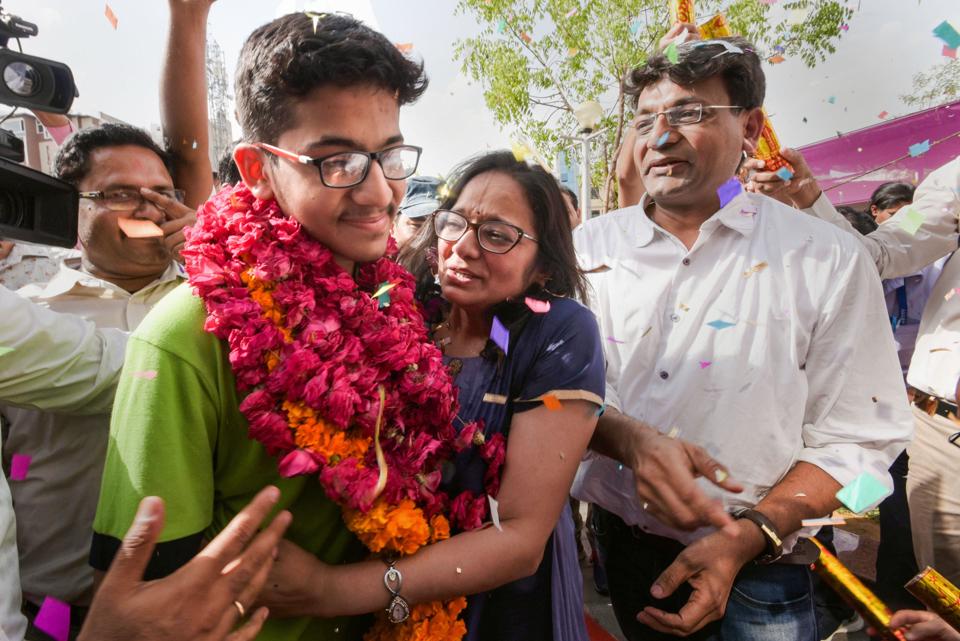
For SCs, the pass percentage stood at 51.7, marginally up from last year’s figures of 50.8. For STs, the success rate was 40.9%, slightly lower than last year’s 41.68%. In comparison, the overall pass percentage in 2019 stood at 56.5 and that of the unreserved category was at 57.26.
The list of the top 50 candidates in NEET 2019 had 43 students from the unreserved category and seven from the Other Backward Class (OBC) category.

Sanjay Dabhade, a lecturer at the DY Patil Medical College in Pune, said the performance of ST students could be attributed to the increasing role of coaching centres to prepare for the uniform national examination. “Most of the tribal students come from rural hinterlands and don’t have the resources to go to private coaching centres; they don’t even know that such facilities and training are required. And with the increasing role of these centres, the level playing field for ST students is vanishing.”
R Srivatsan, a researcher at the Hyderabad-based Anveshi Centre for Women’s Studies, held poor school-level education responsible. “Many of the SC-ST students are first generation literate, they lack role models, their parents cannot help with homework and their homes have few books. Poor school teaching affects them the most because they have no support back home.” According to him, it was not a lack of merit that held back these students, but an absence of cultural capital and resources.