
 E-Paper



Most lawmakers defected from Congress, BJP got highest joinees
Between 2016 and 2020, the study said, a total of 405 MLAs switched parties and recontested elections—that roughly accounts for nearly 10% of 4,036 MLAs in the country. In the same period, 28 MPs changed sides. Of these, most MPs joined the BJP.


In the last five years, the Congress has lost the highest number of lawmakers to rivals while the ruling Bharatiya Janata Party (BJP) absorbed most of the MLAs who switched sides, a study by the Association of Democratic Rights (ADR) said.
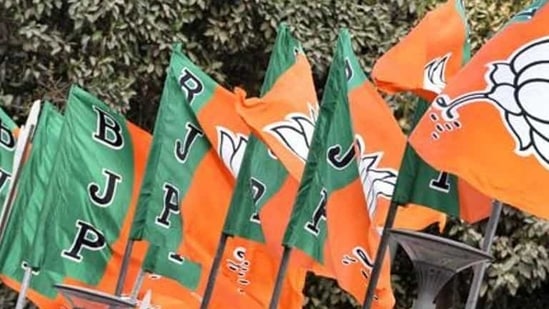
There are BJP governments in 16 states.
Between 2016 and 2020, the study said, a total of 405 MLAs switched parties and recontested elections—that roughly accounts for nearly 10% of 4,036 MLAs in the country. In the same period, 28 MPs changed sides. Of these, most MPs joined the BJP.
While the added strength in assemblies helped the BJP win back states such as Karnataka and Madhya Pradesh, the switchover of MPs helped the BJP increase its strength in Rajya Sabha and clear important bills, including the Triple Talaq bill and legislation for effective revocation of Article 370 of the constitution.
The ADR study shows that the Congress, which lost substantial ground to the BJP and other parties in the last six years, has suffered the maximum damage as 170 of its MLAs quit the party and recontested polls from other parties.
The BJP only lost 18 MLAs followed by the Bahujan Samaj Party and the Telugu Desam Party -- 17 lawmakers each from BSP and TDP switched over to other parties.
The ADR concluded that “the recent fall of governments in Madhya Pradesh, Manipur, Goa, Arunachal Pradesh and Karnataka State Assemblies were due to defections of their MLAs.”
As many as 182 MLAs or roughly 45% of the MLAs who switched sides joined the BJP. The Congress got just 38 or 9.4% MLAs from other parties.
Apart from the two main parties, 15 MLAs of YSRCP, 14 of NCP, 12 of Samajwadi Party and 10 of RJD defected.
The ADR report linked this frequent switchover of leaders to “the failing standards of ethical and moral propriety of India’s parliamentary democracy.”
“The ‘Aaya Ram, Gaya Ram syndrome and the never ending ‘hunger for power and money’ has become a common practice amongst our Parliamentarians and Political parties,” the report said, adding that “the most plausible reasons behind such defections and switching of parties are absence of value-based politics, lust for money and power, strong nexus between money and muscle and reward for office.”


