E-Paper



Naveen Patnaik rewards 51-year-old tribal critic with Rajya Sabha ticket
The ruling Biju Janata Dal (BJD) in Odisha announced four candidates for the Rajya Sabha elections, including a tribal and a woman.

 Prefer HTon Google


BHUBANESWAR: The Biju Janata Dal (BJD) on Sunday picked a tribal activist, a woman spokesperson of the party and a media advisor of the state government and repeated an incumbent MP for the four Rajya Sabha seats, which fell vacant after tenure completion of three members and resignation of one member.
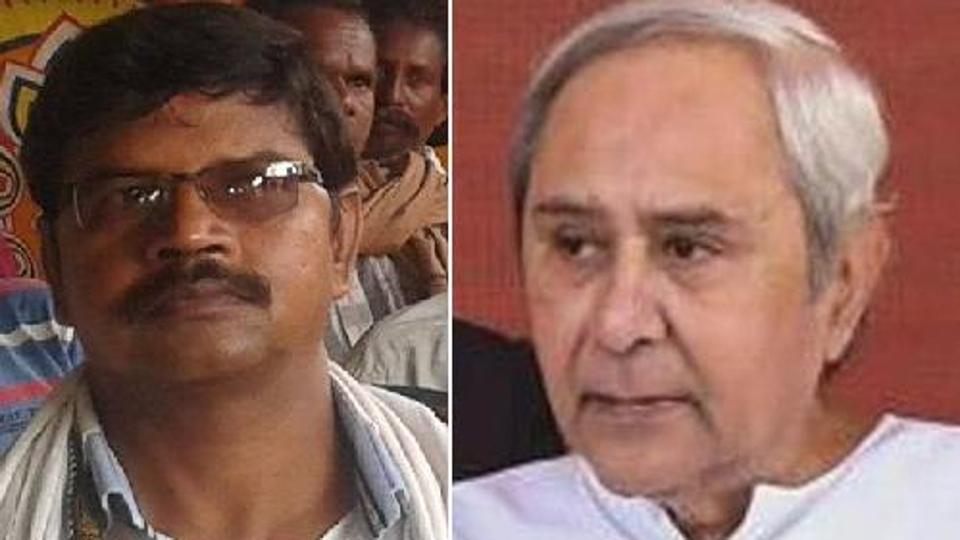
The party announced Niranjan Bishi, Sasmit Patra, Sulata Deo and Manas Mangaraj to be the candidates for the four vacant seats in the Upper House. The election to the four Rajya Sabha seats necessitated after completion of tenure of Prasanna Acharya, N Bhaskar Rao and Sasmit Patra while the fourth seat fell vacant after the resignation of BJD’s Subhash Chandra Singh after he was elected as the mayor of the Cuttack Municipal Corporation.
Though the names of Patra, Deo and Magaraj were being speculated for quite some time, the choice of Bishi, a 51-year-old tribal activist and accountant working in a power distribution company in Bolangir district took everyone by surprise. Bishi, general secretary of Paschim Odisha Adivasi Kalyan Mahasangha, was never a BJD member and has been a trenchant critic of chief minister Naveen Patnaik, leading several movements against the ruling party in the last few years.
Just before the panchayat polls early this year, Bishi was highly critical of the government’s move of no reservation for the tribals for the post of sarpanch in 23 of the 30 districts. His organisation had gheraoed the office of the district collector in Bolangir for 5 hours alleging that the government was appeasing the OBCs at the expense of tribals. He had also given a call for social boycott of the BJD threatening that no leader of the BJD would be allowed to enter the villages.
Gangadhar Majhi, a tribal leader of Bolangir, said by choosing Bishi, a Saara tribal, the government was sending out a message to tribals in western Odisha about its intent. “By choosing a tribal, the BJD is also trying to hit out at the royals of its own party as well as the BJP who have a stranglehold over the Bolangir politics for the last 6 decades. As Lok Sabha polls are less than 2 years away, the BJD is trying to reach out to the tribals in western Odisha, where the BJP did very well in 2019 polls,” said Majhi.
Sasmit Patra, who is the only BJD candidate to be re-elected for the Upper House, has been a very vocal face of the regional party ever since he was elected in 2019. In 2020, Patra caught everyone’s notice when he presided over the proceedings of the Upper House during discussion on the Epidemic Diseases (Amendment) Ordinance Bill, 2020. As the youngest member of vice-chairmen panel in Rajya Sabha, Patra came in for fulsome praise from vice-president Venkaiah Naidu over the way he adapted to nuances of the House.
The selection of Sulata Deo was in line with Naveen Patnaik’s assiduous cultivation of women vote bank over the years by creating women Self Help Groups (SHGs) to giving tickets to one third of Lok Sabha seats to women. In panchayat polls early this year, Patnaik made women as heads in 21 of the 30 zilla parishads, 20 per cent more than the statutory requirement of reservation of 50 per cent.
Deo, 38, perhaps the youngest among the lot, was elected as a Zilla Parishad member from Jajpur district on BJD ticket in 2007. Close to former BJD strongman Pyari Mohan Mohapatra, Deo became chairperson of the State Social Welfare Board in 2009. Among the most vocal spokespersons of the BJD, Deo regularly appears on local TV channels, defending the government over controversial issues.
Manas Mangaraj, 42, who was selected for the fourth seat, is the state government’s media advisor who plays an important role in setting the agenda for local Odia newspapers and TV channels. Mangaraj, a former journalist with Odia daily Sambad, was instrumental in positive publicity for the Patnaik government in newspapers during Covid pandemic in 2020 and 2021.
All the BJD nominees are likely to file their nomination papers on Tuesday. BJD is likely to win all the seats as elections will be held in two phases - first for 3 seats and then for the fourth seat. With 38 votes necessary for winning each seat, the BJD with 113 seats has the necessary electoral strength to win the first three seats and then the last one seat.