
 E-Paper



NEET to move to computer-based test ‘very soon’, says NTA DG: ‘It’s the future'
NTA director general Abhishek Singh said the Nandan Nilekani-led high-powered task force was “working on it.”

 Prefer HTon Google


National Testing Agency director general Abhishek Singh said the National Eligibility cum Entrance Test (NEET) will be moving to a computer-based mode “very soon”, adding that it is “the future.”
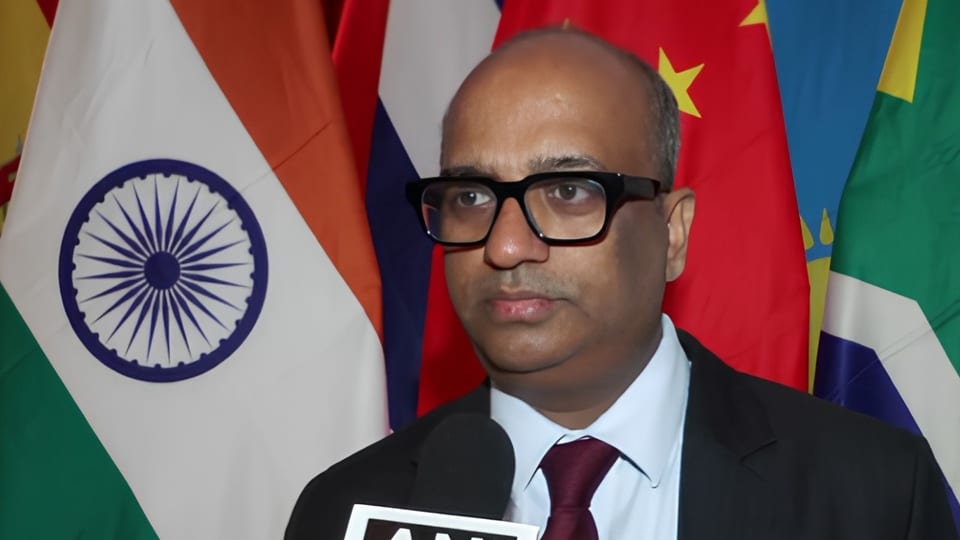
“All our examinations are CBT (Computer-Based Test) except the NEET examination. On NEET also, we will be moving to CBT very soon,” Singh told news agency ANI. He added that the Nandan Nilekani-led high-powered task force was also “working on it.”
Speaking on CBT, Singh said it requires augmenting the testing infrastructure and “building the safeguards.” “So that is the future,” the NTA director general added.
“Currently, the JEE examination, the UGC-NET examination, the CUET examinations, the NIFT examinations are all done in CBT. So CBT is the future. All our examinations will be CBT in the days to come,” he stated.
The high-powered task force (HPTF), led by Infosys co-founder Nilekani, was constituted in the aftermath of the 36-day student agitation in Delhi's Jantar Mantar and other parts of the country against alleged irregularities in NEET. The protests led to the resignation of Union education minister Dharmendra Pradhan, with the Centre also announcing steps to reform the examination system.
‘Cross-border examinations are the next step’: NTA DG
NTA director general Singh projected cross-border examinations as “the next step”.
“Our endeavor right now is to improve our systems so that we are able to conduct Indian examinations in a fair and transparent manner without any malpractice or without any error or without the need of having any review of our own systems,” Singh told ANI.
He added that once the domestic systems are strengthened, the NTA would look towards “conducting examinations for other global bodies.”
Also Read | What AI is doing to how children learn: The evidence from 760,000 students
NTA DG says ‘multiple ways’ to collaborate with BRICS countries; suggests use of AI for ‘fraud prevention’
When asked about how BRICS countries can collaborate on securing question paper technology, Singh said, “There are multiple ways. Every country faces this challenge. It's not that examinations are conducted only in India; examinations are conducted globally.”
He highlighted China's pen-and-paper examination Gaokao, saying “a lot was heard” about it. “A lot has been heard about how they shut down whole cities and conduct the examination. So, every examination will require generation of question papers,” the NTA official stated. He added that there were areas of discussion and collaboration between the BRICS countries in terms of examinations.
Singh said that the NTA was also looking at the use of artificial intelligence not just for testing but also to prevent fraud. “Not with the BRICS partners, but we are currently looking at use of AI for conducting not only testing but also fraud prevention, trying to look at logs, trying to look at data, trying to look at analytics in order to ensure that the examinations are conducted without any error or without any problems,” he told ANI.


