
 E-Paper



NEET to Tamil Nadu’s name: DMK, guv at loggerheads on issues
The strain in the relationship between the Tamil Nadu government and governor started over the pendency over the anti-NEET Bill

 Prefer HTon Google


Chennai: The abolition of the National Eligibility cum Entrance Test (NEET), name of Tamil Nadu, languages taught in the state’s schools are some of the issues causing a standoff between the DMK government and Governor R N Ravi. The state government has asked the union government and approached the President for the removal of the governor even as the opposition AIADMK and BJP back Ravi.
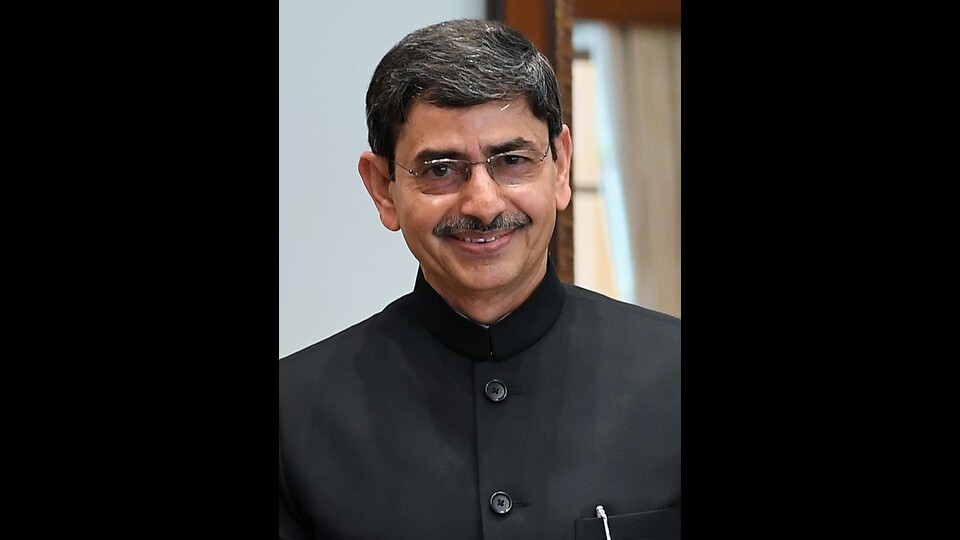
When the former top cop and interlocutor in Naga peace talks took charge as Tamil Nadu Governor on September 18, 2021, he had said he hoped for a relationship “as beautiful as possible” with the DMK government. But DMK’s ally Congress’ chief K S Alagiri suspected that the union government’s intention in appointing a retired police officer is similar to the situation in Puducherry where retired IPS officer Kiran Bedi had run-ins with the Congress government which eventually toppled.
The Governor and Tamil Nadu chief minister had been cordial for some time. Now, the DMK contends that the 70-year-old Governor is acting on the behest of the BJP-led union government and that he is promoting Hindutva politics which undermines his constitutional post. DMK’s ideological parent Dravida Kazhagam described the Governor as a postman while their ally Viduthalai Chiruthai Katchi (VCK) often attacks Ravi as an RSS man.
But, the Governor has been unfazed, recently stoking a controversy with his remarks that 50 years of Dravidian politics has been regressive and that it would be more appropriate to name Tamil Nadu as Tamizhagam even as he is unmoved by more than 21 legislations passed by the state and pending in his office. HT has on Sunday and often reached out to the Raj Bhavan for a comment on the attacks against the Governor but there has been no response from the office.
The recent flare-ups were after the Governor’s speech last Wednesday while addressing the volunteers of the Kasi Tamil Sangamam erupted into a two-fold controversy. First, his remarks that Tamil Nadu has had regressive politics for 50 years created a war of words which even the AIADMK took exception to. The DMK chided him for speaking like a BJP party president. During the same event, the Governor had said that it would be “appropriate to name the state Tamizhagam instead of Tamil Nadu” which led to a series of DMK leaders, those from other fields giving a history lesson about how the state got its name. BJP president K Annamalai on Sunday reacted that the DMK is retaliating as if Tamizhagam was recently invented. “DMK has long been trying to bury their secessionist past,” Annamalai said, adding that their ideological parents wanted a separate Dravida Nadu.
Issues in Governance
Fed up with the Governor, the MPs of Tamil Nadu’s Secular Progressive Alliance led by the ruling DMK in November went to the doorstep of the President of India, Droupadi Murmu seeking removal of Ravi as Governor in an unprecedented move. Among other things, they complained that 20 Bills passed in the Tamil Nadu legislative assembly are pending with Governor Ravi since he took over in September 2021. “The Governor is not performing his primary function in our State,” the MPs memorandum to the President on November 2 had said.
This was after Tamil Nadu chief minister M K Stalin led his ministers in June for a meeting with the Governor urged him to give his nod for these legislations which includes a Bill that seeks to clip the powers of the Governor in appointing vice-chancellors to state funded universities.
The strain in the relationship between the Tamil Nadu government and governor started over the pendency over the anti-NEET Bill. NEET is an emotional issue in Tamil Nadu where more than a dozen medical aspirants have died by suicide either due to failing the exam or the fear of failing. All parties except the BJP are for Tamil Nadu’s proposal to go back to using class 12 board exam marks for medical college admissions instead of NEET which they believe is skewed against students who are poor and marginalised. The cabinet passed the anti-NEET bill in September 2021, but the Governor after several months sent it back to the House for reconsideration following which the cabinet passed the Bill again. “The state assembly passed a legislation against NEET which is what 8-crore people want and as a single man the Governor is withholding that,” Stalin had said in a speech in April. In the same event, president of the Dravidar Kazhagam (parent body of the Dravidian parties) K Veeramani said that a Governor is just a “postman” who has to deliver the Bills passed by the assembly to the President. In May, the Governor finally sent the anti-NEET Bill to the President for assent.
“The Governor was being a typical bureaucrat by keeping the files on hold,” said political analyst Ramu Manivannan. The Governor has expressed his support for NEET as well as the National Education Policy (NEP). The DMK believes NEP tries to impose Hindi on the state and is planning a state education policy in opposition to NEP particularly against the three-language formula. While DMK has categorically said that Tamil Nadu will follow only the two-language formula (English and Tamil) which has been in place in the state since the 1960s, Ravi on the eve of Republic day in 2022 said: While it is important that the Tamil language is given a wider spread in the rest of the country, it is also important that our school students learn other Indian languages like students in other states.
Ideological differences:
The ideological orientation of the Governor came to the fore when he referred to the sanatana dharma as a unifying value of India which has been a subject of political and ideological conflict between Dravidian and Hindutva movements.
The DMK government boycotted the Governor on two occasions: his at home reception last year due to the delay in passing the NEET-bill and the convocation at Madurai Kamaraj University. Higher education minister K Ponmudi announced that the government was boycotting the 54th convocation held on July 13 blaming the Governor for politicising a student event.
“More than being a Governor, he is being a BJP campaigner,” Ponmudi who is also the pro-chancellor of the varsity had said. “They never discussed the speakers with me and my department as per protocol. He added that protocol states that the pro-chancellor speaks after the chancellor but the invitation has the Minister of State and ex BJP Tamil Nadu L Murugan as the guest of honour.
The Governor also sparked a row when he said that Dravidian is a geographical division rather than a racial identity.
Governments in Tamil Nadu have had an uneasy relationship with governors especially when the parties leading the union and the state governments are not in a political coalition. And besides Tamil Nadu, this pattern can also be seen in opposition ruled states such as Kerala, Maharashtra and West Bengal, where there are growing disagreements between the state governments and their respective Governors.
An outfit, Thanthai Periyar Dravidar Kazhagam made an unsuccessful case in the Madras High Court to disqualify Ravi as he is also the chairman (a for-profit position) at the Auroville Foundation. The court said that Governors and the President enjoy an impunity under article 361 so Ravi is not answerable to courts.
“It is leading to a debate surrounding the relevance of the office of the Governor, their powers and functions,” said Manivannan. DMK’s face in Delhi, Lok Sabha MP Kanimozhi Karunanidhi summed up the opposition states’ collective arguments in Kerala’s Kochi last week remarking that Governors are acting like chief ministers. “ The Central government is not believing in the power of the State government. The Governor is to create a hindrance. Governors became tools of their masters,” she said.


