E-Paper



No entry to ‘non-Sanatanis’ into Badrinath, Kedarnath temples: Officials
Officials said the proposal aims to formalise the practice of restricting the entry of those who do not follow Sanatana Dharma into Kedarnath, Badrinath temples

 Prefer HTon Google


The Badrinath Kedarnath Temple Committee (BKTC) on Tuesday passed a proposal seeking to restrict the entry of non-Hindus into the Kedarnath and Badrinath temples, officials said.
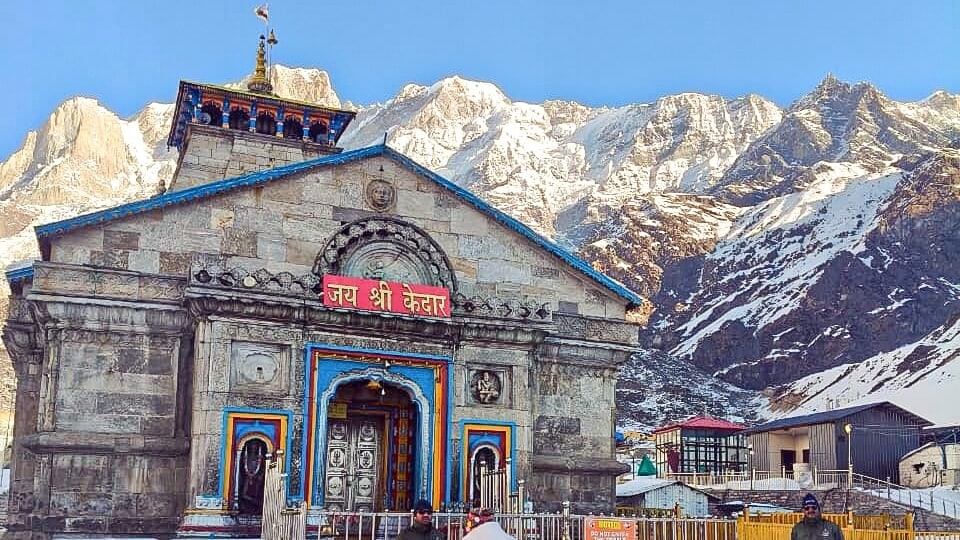
The proposal was approved during the committee’s budget meeting held in Dehradun helmed by BKTC chairman Hemant Dwivedi. The committee also cleared an estimated budget of over ₹121 crore for the 2026–27 pilgrimage season.
Justifying the decision, Dwivedi said the proposal aims to formalise the practice of restricting the entry of those who do not follow Sanatana Dharma into temples managed by the committee. “The proposal to restrict the entry of non-Sanatanis into Kedarnath and Badrinath temples was approved during the BKTC budget meeting on Tuesday. The decision is not against anyone. Strict measures are required to maintain the sanctity of Devbhoomi and its sacred shrines,” he said.
Explaining the scope of the move, Dwivedi said that under Article 25 of the Constitution, the term “Hindus” is interpreted to include followers of Sikhism, Jainism and Buddhism. “We will verify the registration details of devotees, which include Aadhaar card information,” he said.
Dwivedi said that entry of non-Hindus has traditionally been restricted at the temples and the proposal seeks to place the practice within a formal framework.
“Consultations were held with priests and religious bodies before the proposal was approved,” he added.
Earlier this year, Dwivedi had said that these shrines are not tourist destinations but the supreme spiritual centres of Sanatan traditions. Hence, the issue of non-Hindu entry to these sites is a matter of religious faith, he added. Defending the proposal, Raj Kumar Tiwari, president of Kedar Sabha, which represents priests of Kedarnath Dham, welcomed the move. “We welcome the proposal. Sikhs, Buddhists and Jains are considered Sanatanis, so they will be allowed entry into the temple, while others will not be permitted inside the shrine area,” he said.
During the meeting, the committee also approved several other measures, including restricting the use of mobile phones within a specified distance of the shrines, strengthening pre-pilgrimage arrangements, opening a temple committee camp office at the transit camp in Rishikesh and introducing online worship facilities among others. “BKTC’s aim is to provide safe, simple and accessible darshan arrangements for pilgrims,” Dwivedi said.