E-Paper



Number Theory: How the rise of military drones has transformed battlefields
The advancement of technology and the reduced cost of UAV systems have led to their increased proliferation in modern warfare

 Prefer HTon Google


The country recently got its first India-made medium-altitude long-endurance (MALE) drone, the Drishti 10 Starliner, manufactured by Adani Defence in collaboration with Israeli defence firm Elbit Systems. Military drones such as this have been around for a long time. The Israeli Tadiran Mastiff, the first modern battlefield unmanned aerial vehicle (UAV) took flight as early as in1975. And MQ-1 Predator drones are emblematic of the counter-insurgency warfare waged by the US in countries such as Iraq, Afghanistan and Somalia.
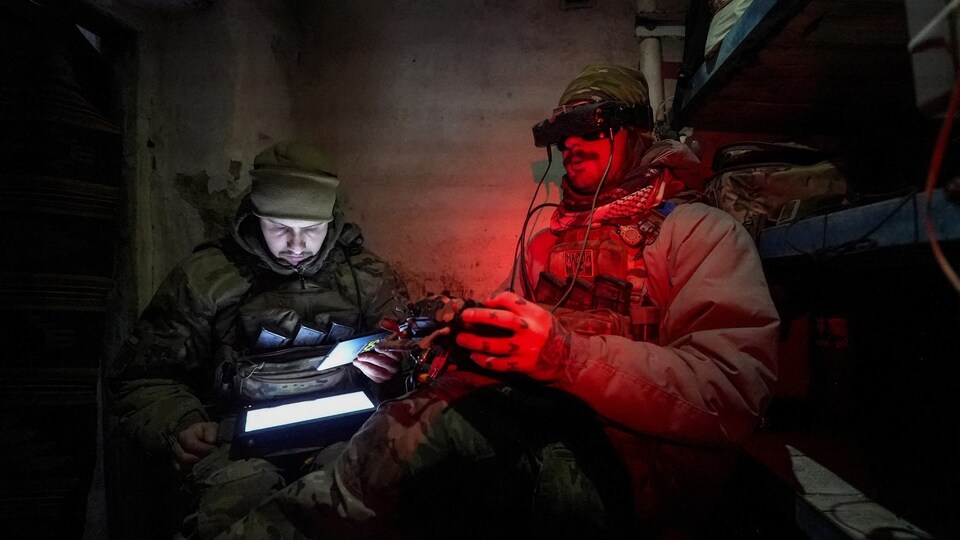
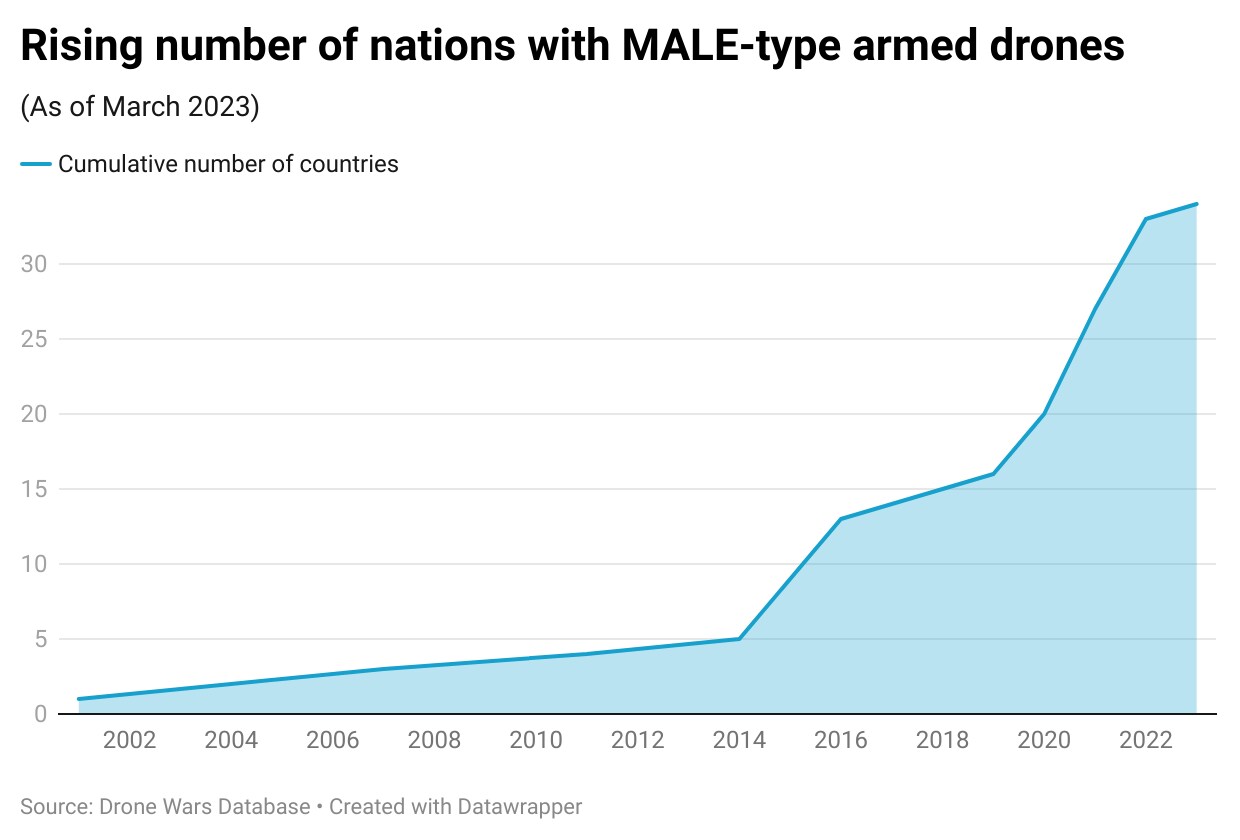
While the US and Israel were the only two countries capable of conducting such operations for a period of time post the Cold War, advancement of technology and the reduced cost of UAV systems have led to their increased proliferation in modern warfare. Moreover, as has been seen from the recent attacks on commercial ships in the Red Sea by the Houthi rebel group, non-State actors too have been increasingly using UAVs. The charts below show how drones have taken off in usage by armed forces across the world.
 Eye in the skyAccording to data from the Center for the Study of Drone at Bard College (CSD), between 2010 and 2020, the number of countries with military drone programmes has gone up from 60 to 102. There are 21,000 confirmed unmanned aircraft in the service of armed forces across the world. However, the actual number is likely much higher. The majority of these UAVs are used for reconnaissance and surveillance, and armed drones account for a smaller portion of the total. Data from the Drone Wars database shows that the share of countries with armed drones are also on the rise, with the number going up from just 4 in 2011 to 34 in 2022. India doesn’t have any operational armed drones in its arsenal yet although several of its neighbours, including Pakistan, do.
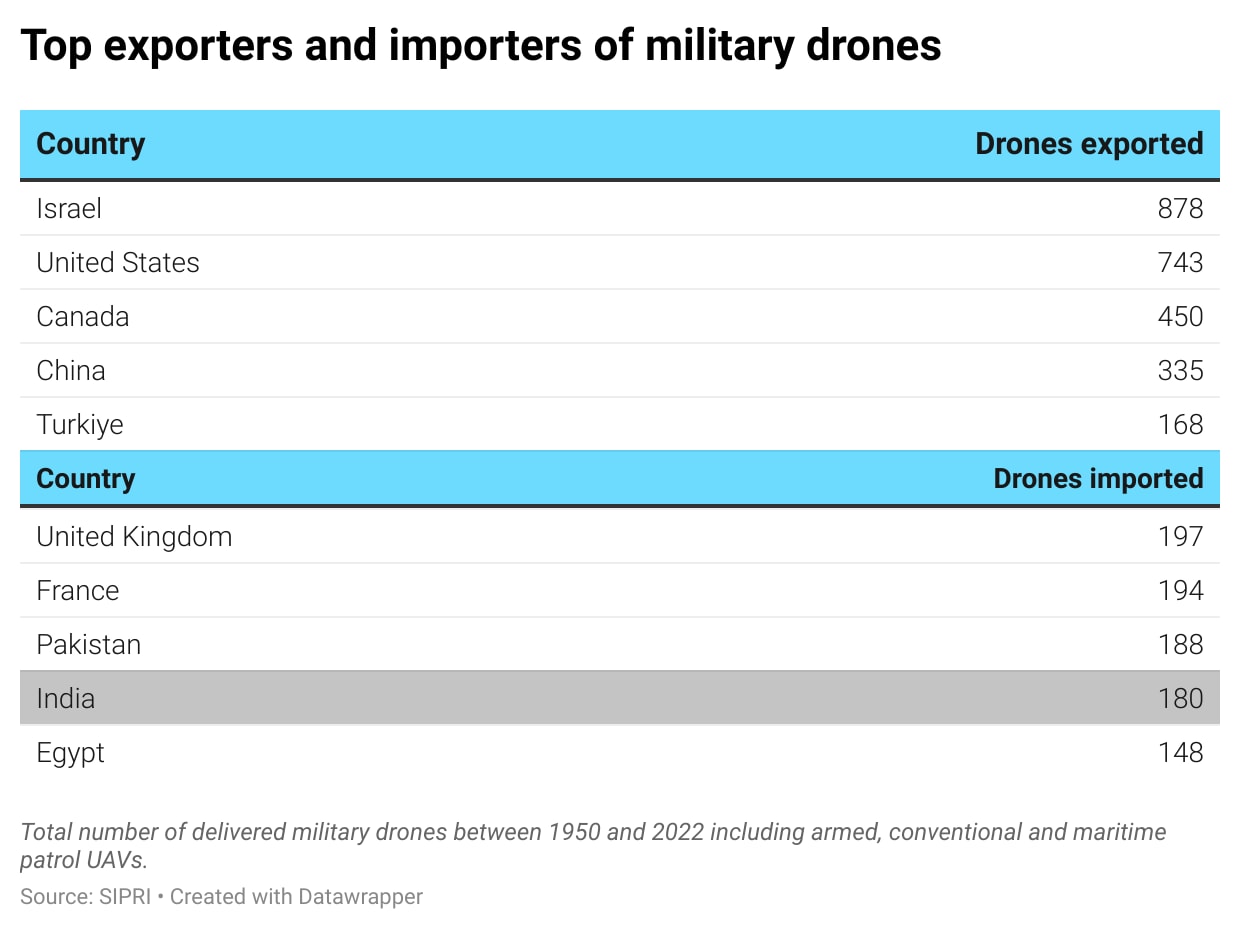
- Global tradeThe global military drone market is estimated to grow from $14.14 billion in 2023 to $35.60 billion in 2030, according to the market research firm Fortune Business Insights. Israel leads among countries when it comes to the most number of drones exported, followed by the US, an analysis of data from Stockholm International Peace Research Institute (Sipri) shows. The UK is the biggest importer of drones, and India is ranked fourth.
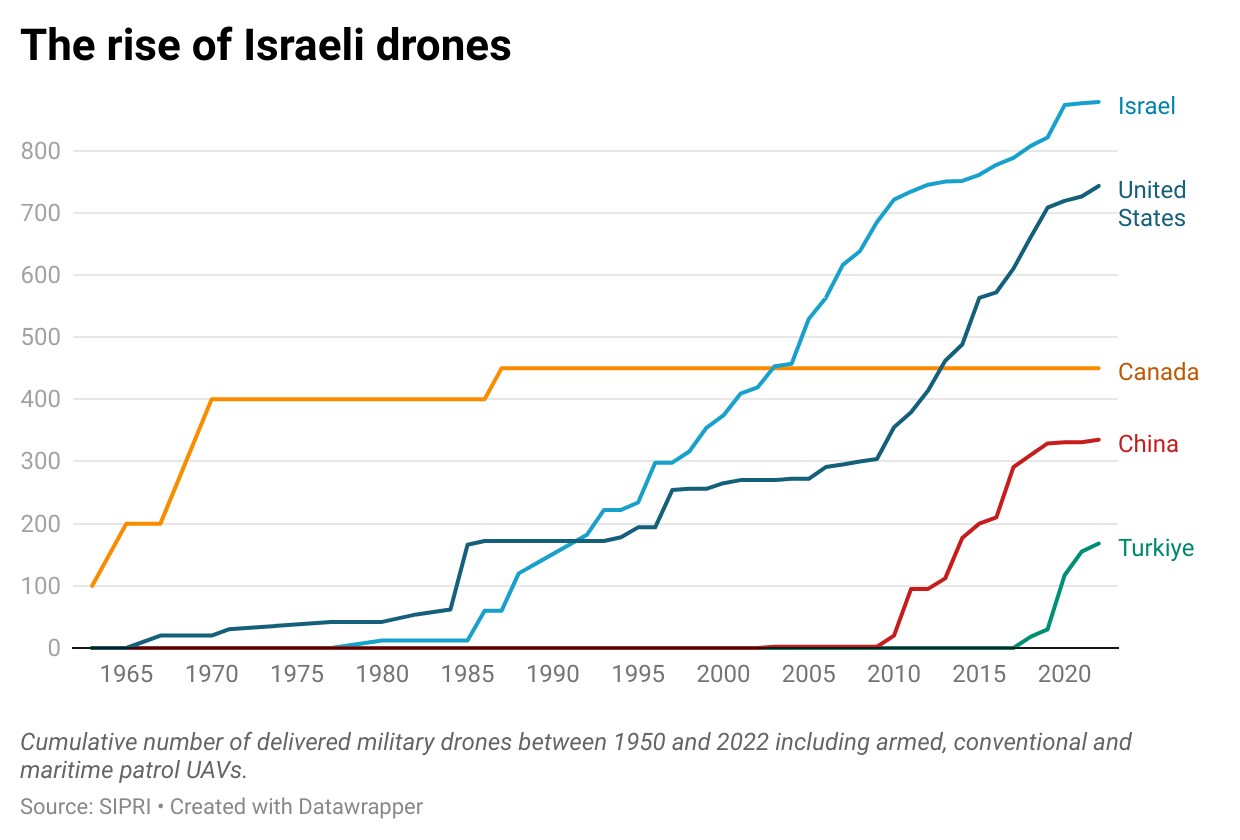
- How Israeli drones have taken offSince the 1990s, Israeli drones have led the global drone market, followed by the US. Although historical data places Canada as the third-biggest exporter of military drones, it is only because of the large number of CL-89 drones it traded during the Cold War period. Interestingly, out of the 180 military drones imported by India till the end of 2022, 178 are from Israel, and only two are from the US. Recent years have also seen the rise of China and Turkey in the global drone market. According to Sipri, within a decade, China has exported 335 drones it has produced. Meanwhile, Turkey has exported 168 drones, with the Bayraktar TB-2 armed drone accounting for most of the numbers.
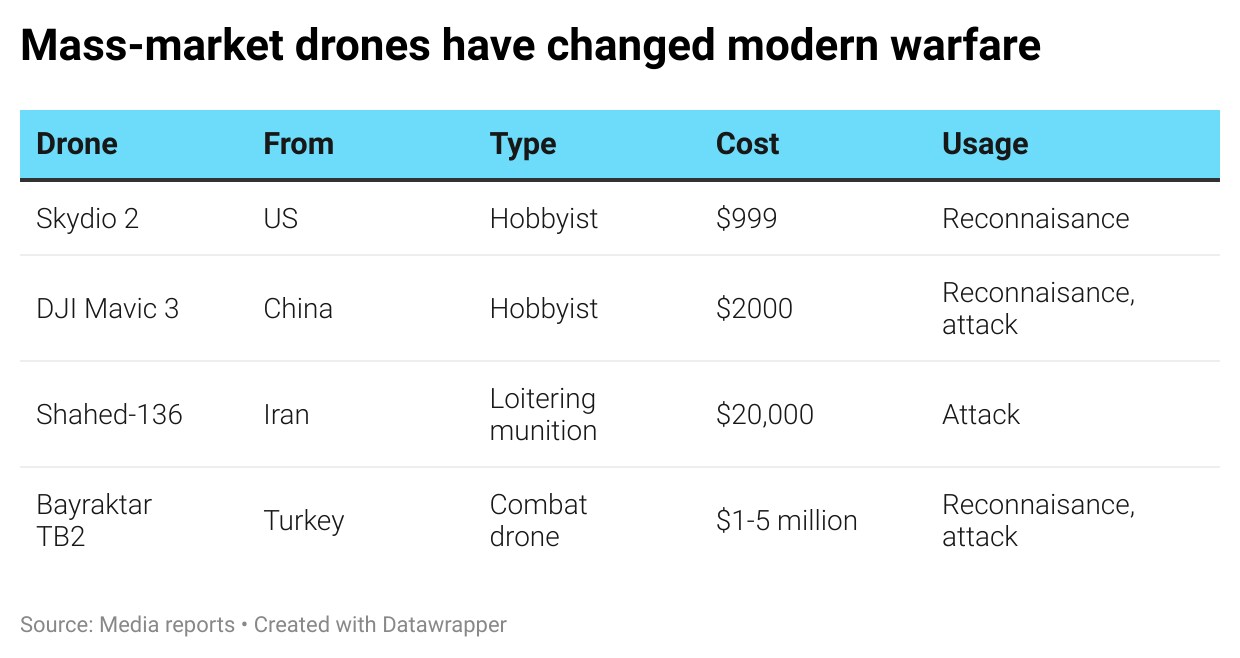
- Rise of mass-market dronesAlthough drones have been used widely in conflict zones for decades, only powerful nation-States (mostly) had access to the multimillion-dollar devices. However, the rise of cheaper Turkish and Chinese drones as well as inexpensive mass-market drones has changed this. The Bayraktar TB-2 drones from Turkey are made with readily available components such as consumer GPS navigators sourced from international commercial markets. Meanwhile, the rise of cheap mass-market drones has led to even non-State actors acquiring the capability to conduct remote strikes using explosive-laden UAVs. Such drones have been used even by terror groups such as the Islamic State to carry out their attacks.
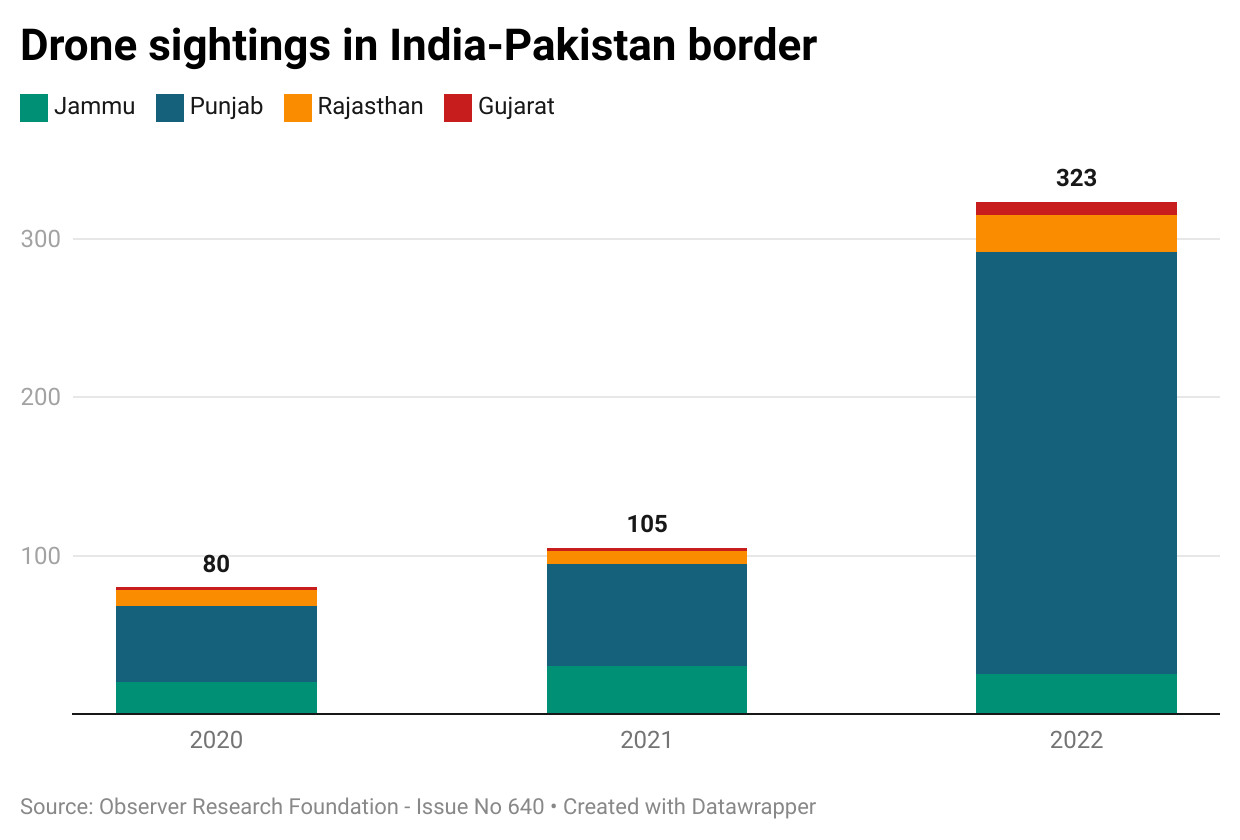
- Implications for IndiaBoth Pakistan and China, India’s rivals in its neighbourhood, possess significant numbers of combat drones. In 2021, the Jammu Air Force base was attacked by low-flying drones that dropped two improvised explosive devices (IED). Although, this particular attack was carried out by assailants from within India’s border, cross-border attacks using drones remain a threat. In fact, the number of drone sightings on the India-Pakistan border has been on the rise. In 2022 alone, the Border Security Force reported 323 such sightings. Drones have reportedly been used by cross-border criminal and terror groups to smuggle in drugs and ammunition. With advancement in drone technology, especially in terms of endurance and range, such threats are only expected to grow.