E-Paper



Odisha: Opposition says OBC survey bid to create vote bank by Naveen Patnaik
A former state minister said that the OBC survey was an attempt to create an OBC votebank and this would be the first instance in Odisha of influencing voting as per caste lines.

 Prefer HTon Google


Odisha is all set to start a survey of social and educational conditions of state's OBC community from May 1 this year, becoming the first state to undertake such an exercise even as opposition parties questioned the motive, asking if the Naveen Patnaik government was planning to create an OBC votebank.
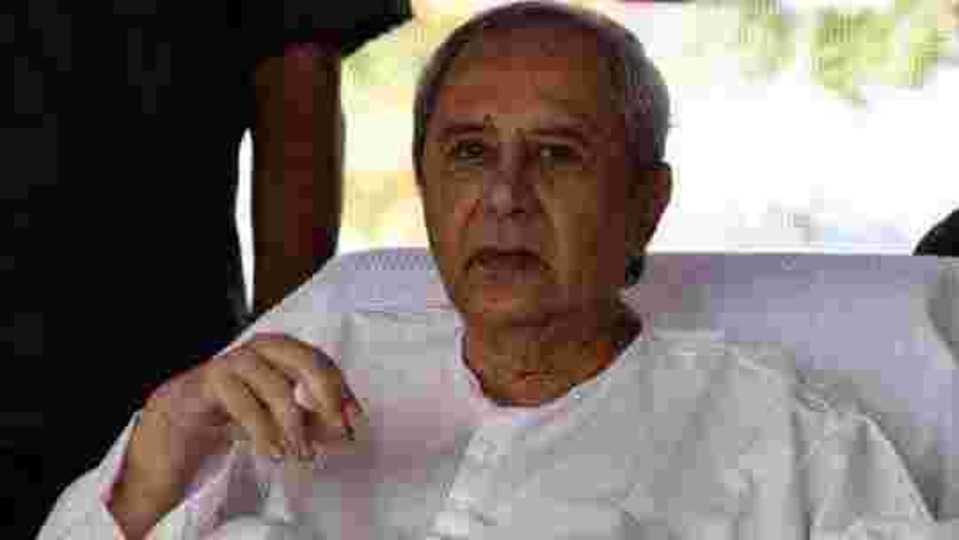
The Odisha State Commission for Backward Classes formed last year, recently announced that a database on the present conditions of people belonging to the OBC community will be prepared. “Survey will be conducted on the social and educational conditions of the people belonging to backward classes. Their occupation, education standard and other parameters will be covered under the survey,” said justice Raghunath Biswal, head of the commission. The survey is likely to exclude those OBC persons whose socio-economic standards have gone up over the years.
The survey process will begin in the first week of May and conclude in June. The first draft list of the OBC community will be released on June 1 and objections will be invited till June 5. The commission is expected to come up with the final list by June 11, said officials.
The decision to hold the survey came exactly a year after the Union ministry of home affairs rejected a proposal of the state cabinet for census of socially and educationally backward classes and other backward classes/castes during the 2021 general census. Soon after the Centre's rejection, Patnaik tabled the Odisha State Backward Classes (Amendment) Bill in the state assembly enabling the Backward Class Commission survey of the social and economic conditions.
"The State doesn’t have access to any recent data on this as the last census was done in 1931 which is almost 90-year old. This data is not enough for accurate and focused planning to reach out to the backward classes of the society,” the chief minister said last year while tabling the bill.
"It's an attempt to create an OBC votebank and this would be the first attempt in Odisha to influence voting through caste lines. BJD would certainly get some benefit out of the exercise," said former minister Bijoy Mohapatra.
Though, the other backward castes account for 54% of Odisha's population, caste has never been a factor in state's politics unlike Bihar, Uttar Pradesh, Rajasthan or Karnataka. Neither the OBCs, nor the tribal and Dalits, who form 24% and 17% of the state’s population respectively, have ever voted en bloc in the past.
Political analysts said the decision to start an OBC survey may have been triggered by fears of opposition BJP trying to target them ahead of next year's panchayat polls. Senior BJP leader and union petroleum and natural gas minister Dharmendra Pradhan, himself an OBC, in a recent letter to chief minister Patnaik, had urged the state government to reserve seats for students belonging to the OBC category and the socially and economically backward classes.
Though the BJD won 113 of the 147 assembly seats in 2019 assembly polls with 44.6% vote share, the BJP, was not far behind with 38% votes, though it could win only 23 seats, becoming the principal opposition party.
"Since last few elections, BJD has assiduously cultivated a woman votebank through programmes like ‘Mission Shakti’ that have created over 6 lakh self help groups. By beautifying religious places like Jagannath temple in Puri and Lingaraj temple in Bhubaneswar as well as several other famous temples across the state, it is trying to play a religious card before the BJP does it. By playing an OBC card it wants to upstage BJP in that segment," said Gyana Ranjan Swain, a political science professor.
Many others feel Naveen Patnaik may be wary of consolidation of Paikas or Khandayats (a militia caste) behind the BJP as a result of the party’s efforts in the last few years through several events including the 200th anniversary of the famous Paika rebellion against the British and a memorial for the fallen Paikas on the foothills of a mountain near Bhubaneswar. Khandayats are the martial race of Odisha who are numerically superior with 22% share in population. Though they figure in the Odisha’s list of SEBCs, they are not in the Central list of OBCs and hence excluded from any reservation.
"The OBC survey seems to be a strategy to induct the Khandayats in the OBC list but exclude the creamy layer among them so as to prevent their future consolidation behind the BJP," said Biswaranjan Mohanty of Congress.
Also Read: Odisha Chief Minister Naveen Patnaik inaugurates hostels for ST/SC students
Sajjan Sharma of BJP said the survey was just to hoodwink the OBCs in the state as the key to any survey was implementation. "The government is known for conducting such things, but it fails when it comes to execution." said Sharma.
Former union minister Srikant Jena, himself a backward caste leader, said BJD’s real motive was suspect. “Naveen Patnaik government could have appealed before the Supreme Court after the Odisha high court in 2017 struck down the Odisha Reservation of Posts and Services (for Socially and Educationally Backward Classes) Act that provisioned for 27% reservations for the OBCs in government jobs. I wonder what kind of socio-economic survey would be completed within two months," he asked.