
 E-Paper



Opposition plans to challenge Centre’s BSF order during Winter session
The opposition has included the subject “border management” for review in the parliamentary home affairs panel on Wednesday to pave the way for the scrutiny of the new BSF rule.


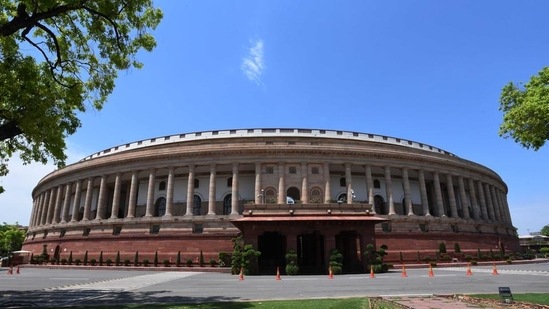
New Delhi: India’s opposition parties protesting the enhanced jurisdiction of the Border Security Force (BSF) in three states have drawn up a plan to challenge the Union government’s order in Parliament . They have included the subject “border management” for review in the parliamentary home affairs panel on Wednesday to pave the way for the scrutiny of the new BSF rule.
On October 11, the Union government notified the jurisdiction of the BSF has been extended to another 35 kms from the border from the current 15 kms in three states—Punjab, Assam and West Bengal. It also notified that in Gujarat, which shares international border with Pakistan, the jurisdiction has been brought down to 50 kms from 80 kms. It stayed the same (50 km) in Rajasthan. BSF has explained that the changes bring uniformity to its jurisdiction across border states, and government officials have pointed out that the enhanced jurisdiction is also a function of technology, such as drones, being used to drop weapons, explosives, drugs and cash from across the border, but opposition parties have protested the move which they see as the Union stepping on the turf of states.
The executive amendments were made under section 139 (1) of the 1968-era BSF Act, but opposition parties such as the Trinamool Congress and Congress have latched on another provision under the same section, 139(3), to seek an amendment of the order in the winter session of Parliament that is likely to start in mid- November.
139(3) states “Every order made under this section shall be laid, as soon as may be after it is made, before each house of Parliament while it is in session for a total period of thirty days.” The same section also gives power to lawmakers to approve or modify the order. 193(3) of the BSF Act adds that the executive order will be effective after “both houses agree in making any modification in the order or both Houses agree that the order should not be made.”
The order is automatically approved after 30 days if there is no further modification. For the Opposition to negate the new BSF order, it has to pass a motion in the house against the new amendments, which looks unlikely given the numbers.
Parliament is no stranger to Opposition’s challenge against executive orders on central laws. In 2012, then Opposition parties such as the BJP and the Left, wanted amendments on the changes in FEMA rules that allowed foreign investment in retail stores. FDI in multi-brand retail turned into a major political clash and the UPA even lost its crucial ally Trinamool Congress over the proposed entry of foreign capital into the sector.
In 2018, when the Narendra Modi government notified the automatic route for up to 49% foreign investment in defence firms, the Congress and other opposition forces sought to challenge it. In both cases, the Opposition couldn’t succeed and the notifications were approved.
At the first meeting of the revamped panel on home affairs on Wednesday, some Opposition leaders suggested that border management should be included in the context of the new amendments in the BSF rules. Chairman Anand Sharma (of the Congress) suggested that it can be added in the pending subject on coastal security.
“The first meeting on border security which would cover the BSF issue, is likely to be held in November. It has been also decided that all concerned states as well as the union home secretary will be asked to depose before the panel,” a member said.
The TMC, which is vehemently opposed to the power of the BSF to arrest anyone or conduct search operations within 50 km from the border without informing the local police, alleged that the new order has a political undertone. “Out of 23 districts in WB, 10 will be affected by this new order. It will also apply to 21 of the 42 Lok Sabha seats and practically the entire North Bengal (BJP’s bastion in Bengal) will come under the purview of the new order,” said a senior TMC leader who asked not to be named.
The TMC and the BJP fought an intense and bitter election that the former won with a clear majority. Relations between the two sides have worsened further since then.


