E-Paper



Parliament’s special session begins today: Delimitation row, Lok Sabha expansion to dominate agenda
Delimitation has emerged as the principal flashpoint, with the opposition arguing that the exercise could skew representation in favour of northern states.

 Prefer HTon Google


A high-stakes three-day special sitting of Parliament begins on April 16, with the Centre preparing to push key constitutional changes that could significantly reshape India’s electoral map.
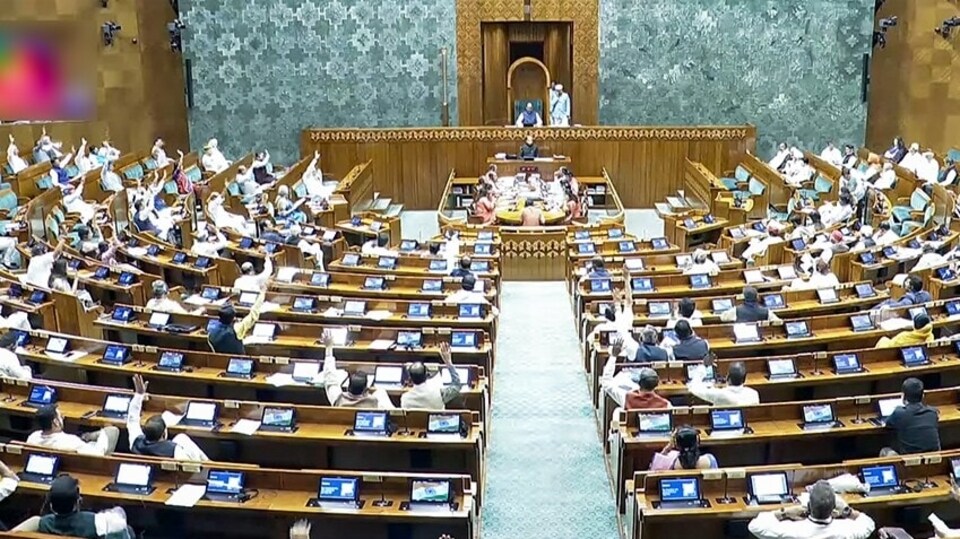
The Constitution (One Hundred and Thirty-First Amendment) Bill, 2026, along with the Delimitation Bill, 2026, is set to be introduced by Law Minister Arjun Ram Meghwal, while the Union Territories Laws (Amendment) Bill, 2026, will be tabled by Home Minister Amit Shah.
The Law Minister is also expected to move a proposal in the Lok Sabha to suspend Rule 66, enabling the simultaneous passage of the women’s reservation amendment bill and the Delimitation Bill.
What is the proposal?
According to the government’s proposal, reviewed by HT, the strength of the Lok Sabha would be expanded from 543 to 850 seats, with a significant share expected to go to northern states.
Of the total, 815 seats would be allocated to states, while 35 would be reserved for Union Territories.
The delimitation exercise would also operationalise the long-pending one-third reservation for women in Parliament, approved in 2023, with reserved seats to be allocated on a rotational basis under the new framework.
Why a sharp political contestation is likely?
The session is expected to witness sharp political contestation, with delimitation emerging as the central flashpoint.
Opposition parties have raised concerns that the proposed exercise could disproportionately benefit northern states while reducing representation for southern and some northeastern regions.
Leader of Opposition Rahul Gandhi has been among the most vocal critics, calling the exercise a “dangerous plan” and warning, “One of the BJP's dangerous plans is to "gerrymander' all Lok Sabha seats to its advantage for the 2029 elections.
The proposed Bills remove all Constitutional safeguards on delimitation, giving full power to the Delimitation Commission, which the govt itself will appoint and direct.”
He further said, “We have seen how the BJP does this - it hijacked delimitation in Assam and Jammu and Kashmir, where it split up anti-BJP regions and communities for electoral advantage,” while also stressing that delimitation should be carried out through a transparent, consultative process.
Also Read | Centre proposes amendment to increase Lok Sabha seats up to 850. What bill says
Southern leaders have also escalated their opposition.
Tamil Nadu Chief Minister MK Stalin has called for a statewide show of protest, urging people to unite in what he described as a collective struggle against the proposed delimitation. In a post, he said, “Let the black flag fly tomorrow in the homes, streets, and shops of Tamil Nadu! Let it stand as our symbols of resistance at the doorsteps! This is not the struggle of an individual movement; it is the struggle of Tamil Nadu!”
What is the objection to delimitation?
The opposition bloc has maintained that it is not against women’s reservation but has objected to linking it with delimitation, arguing that the quota can be implemented independently without altering the federal balance of representation.
The biggest point of contest around the exercise is a North vs South divide, with North India with significant population growth benefitting with more proportionate seats, while South India — a significant contributor to the GDP (around 30–31%) — getting its proportionate seats reduced over lesser population growth rate.
Responding to the criticism, Union Finance Minister Nirmala Sitharaman said the Delimitation Commission will consult all political parties and pushed back against opposition concerns.
Meanwhile, the government has maintained that expanding the Lok Sabha is necessary to reflect India’s growing population and ensure broader representation, with sources indicating that up to 815 seats could be allocated to states and 35 to Union Territories under the proposal.