E-Paper



Patnaik launches 3rd phase of Odisha’s health scheme, says will cover 90% people
Naveen Patnaik said over 1.10 crore families, covering nearly 90% of the population, will be provided health assurance under BSKY


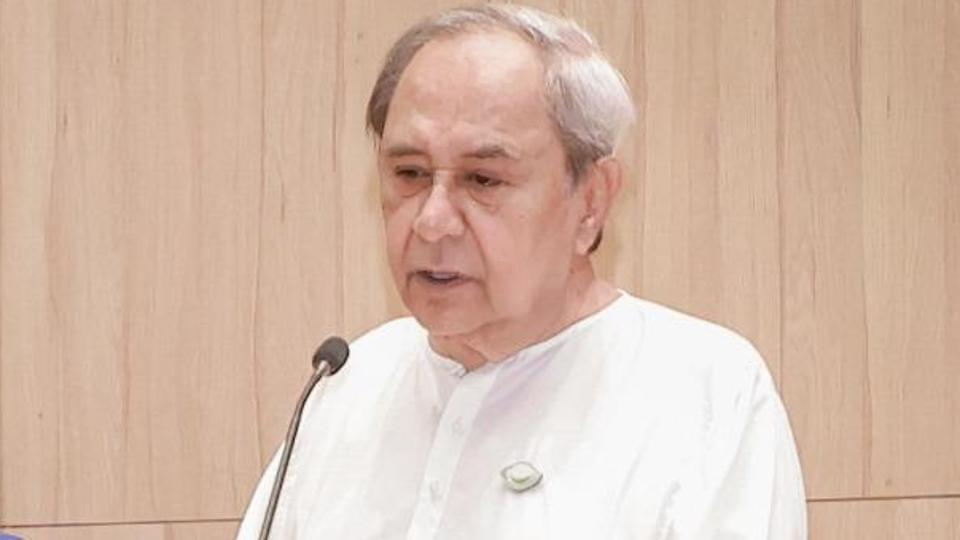
BHUBANESWAR: Odisha chief minister Naveen Patnaik on Friday launched the third phase of the state’s flagship health scheme - Biju Swasthya Kalyan Yojana (BSKY) which will now cover about 90% of the state’s population.
The scheme first launched more than five years ago, initially covered only people below the poverty line who could get cashless medical treatment up to ₹5 lakh at empanelled private hospitals. In the third phase, it has been extended to the entire population except government employees and income tax payees.
“With this third phase of expansion, it is estimated that over 1.10 crore families, covering nearly 90% of the population of the state, will be provided health assurance under BSKY. This will ensure that no family in Odisha is left vulnerable due to a lack of financial resources to meet high expenditure for critical illnesses; thus fulfilling the promise of universal health coverage for the people of Odisha. “Sustha Odisha, Sukhi Odisha” (Healthy Odisha, Happy Odisha) has been the driving force behind all interventions in the health sector in Odisha. It has been my dream to provide universal health coverage to the people of Odisha, where healthcare is a right; accessible and affordable by all,” Patnaik said while launching the new ‘BSKY Nabin Card’ for the beneficiaries.
When BSKY was announced on August 15, 2018, poor farmers, those with BPL Card, Antoday Anna Yojana Card or an annual income of ₹50,000/- in rural areas and Rs. 60,000/- in urban areas were given the BSKY card that could be used to avail treatment at over 200 empanelled private hospitals for a maximum of ₹5 lakh per family and an additional Rs.5 lakh for the women members of the family.
According to the government, 7 million families have been covered under BSKY.
Every month, over 4.5 million people receive free treatment at public health facilities, while 130,000 people receive cashless care at private hospitals. In the past five years, BSKY has ensured cashless treatment to 2.1 million patients at private hospitals.
To be sure, a study in June this year found that an estimated 87% of beneficiaries had to incur some out-of-pocket expenditure even after availing of the benefits under the scheme.