
 E-Paper



Rare manuscripts to be displayed in Patna library
Some of the manuscripts that will be put on display include: Diwan-e- Hafiz, a collection of Persian poems by the 14th century Iranian poet Hafiz that carry the signatures of Mughal emperors Humayun and Shah Jahan

 Prefer HTon Google


Some rare manuscripts in the collection of Patna’s Khuda Bakhsh Oriental Public Library, which is under the Union culture ministry, will go on display for a few hours (11am to 4pm) on August 4 as part of its Founder’s Day celebrations, library officials aware of developments said.
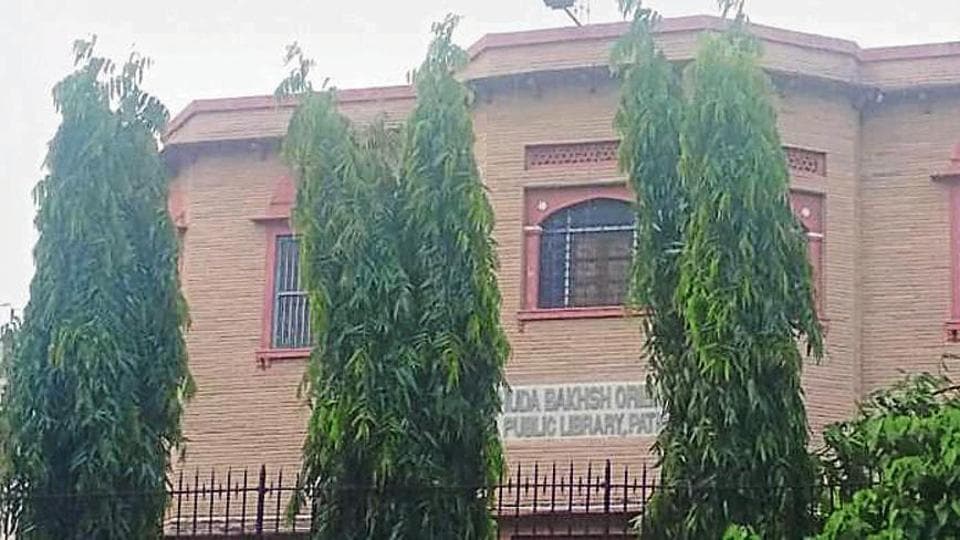
This is an opportunity for the general public to catch a glimpse of various Persian, Arabic and Sanskrit manuscripts dating back several centuries without having to seek permission from the Patna (revenue) commissioner. Manuscript exhibitions are held often but the rare ones are showcased only on special occasions, director Shaista Bedar said.
Some of the manuscripts that will be put on display include: Diwan-e- Hafiz, a collection of Persian poems by the 14th century Iranian poet Hafiz that carry the signatures of Mughal emperors Humayun and Shah Jahan; Shahnama or the Book of Kings by the 11th century Persian poet, Furdausi; Ain-e- Akbari or the Administration of Akbar by Abul Fazl, one of the nine jewels of the emperor’s court; Kitab ul Hashaish, an 11th century Arabic manuscript on plants; and Kitab ul Tasreeq, an 11th century Arabic manuscript on surgery.
An illustrated 18th century Sanskrit manuscript of the Bhagawat Puran will be on display, apart from paintings by the Jodhpur royal family dating back to the 18th century. The illustrated 17th century manuscripts, Bazunama and Shirin Khusro, considered to be among the finest specimens of Persian art, will also be showcased.
The library was originally the private collection of a bibliophile, Mohammad Bakhsh, comprising 1,400 manuscripts. His son, Khuda Bakhsh, expanded the collection and converted it into a private library in 1880. In 1891, it was turned into a public library and inaugurated by the then Governor of Bengal, Sir Charles Alfred Elliot.
“Khan Bahadur Khuda Bakhsh, the founder of the library, died on August 3, 1908, and every year three-day rituals and other activities are held in his memory at the library. This year it’s the 111th Founder’s Day and once again various events have been planned from tomorrow (August 3),” said Bedar, the library director.
The three-day event will begin with the Quran Khani, Gul Poshi and the Jalsa-i-Seeratun Nabi – rituals held to commemorate a death anniversary -- on August 3. “There will be a day-long display of illustrated manuscripts on August 4. Among over 50 manuscripts that will be showcased here, some are rare and are displayed only on rare occasions with the permission of the commissioner,” she said.
The event will conclude with a lecture on “Democracy and Importance of Minorities” on August 5. It will be delivered by Dr SY Qureshi, the former chief election commissioner, Bedar said.
Imteyaz Ahmad, an authority on medieval history and former director of the library, said the manuscripts going on display were a big source of information on life and culture of the past, as well as on political activities in India and neighbouring countries. “I think every student of history should go through them,” he said.


