E-Paper



Refugees from Myanmar may turn to extremism: Bangladesh foreign minister
“Since repatriation has not been started yet, they are getting frustrated and many are getting involved in criminal activities such as drugs and human trafficking, violence and other crimes,” said AK Abdul Momen

 Prefer HTon Google


Myanmar nationals staying in Bangladesh as refugees could turn to extremism, Bangladesh foreign minister AK Abdul Momen said on Saturday, as he sought help from India and other countries in the region to repatriate them.
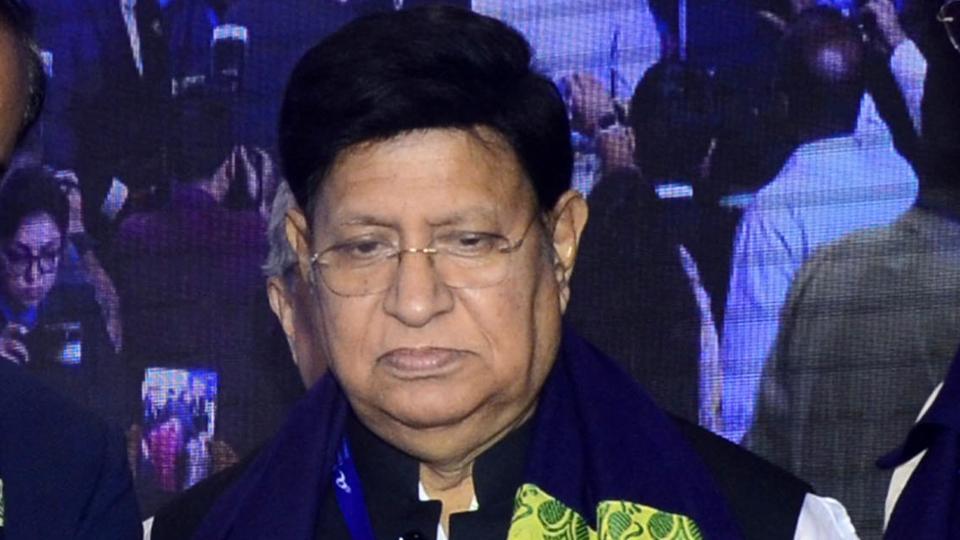
“I am talking about the massive influx of Myanmar nationals in Bangladesh who have been forcibly pushed out of their own country and Bangladesh is providing them with food and shelter on humanitarian grounds,” Momen said while delivering a special address at the inaugural session of the two-day Asian Confluence River Conclave-Natural Allies in Development and Interdependence 3 (NADI-3) in Guwahati.
There are about 1.1 million Rohingya refugees living in makeshift camps in the Cox’s Bazar region in south-eastern Bangladesh after fleeing from neighbouring Myanmar. Momen did not refer to the refugees as Rohingyas. According to UNHCR, 890,000 Rohingya refugees had arrived in Cox’s Bazar following the April, 2017 attacks.
External affairs minister S Jaishankar, Assam chief minister Himanta Biswa Sarma and ambassadors and high commissioners of several southeast Asian countries, including Myanmar, attended the session.
In August 2017, armed attacks, violence and human rights violations forced thousands of Rohingyas to flee Myanmar’s Rakhine state and travel days on foot through jungles or cross the Bay of Bengal to reach Bangladesh, according to the UN High Commissioner for Refugees. Cox’s Bazar town in Bangladesh is often described as the “world’s largest and most densely populated refugee camp”.
The United Nations has described the Rohingya as “the most persecuted minority in the world”. Rohingyas are a Muslim minority group that lived for centuries in predominantly Buddhist Myanmar, but have been denied citizenship since 1982.
“They are temporarily sheltered in Bangladesh for the past five years and they want to go back to their motherland,” said Momen. “Since repatriation has not been started yet, they are getting frustrated and many are getting involved in criminal activities such as drugs and human trafficking, violence and other crimes.”
“We are afraid that such activities might create pockets of extremism and radicalism, and may lead to uncertainty in the whole region,” the minister said. “Therefore, their reparation must be done quickly. I solicit your help and support in this regard.”
Bangladesh Prime Minister Sheikh Hasina had taken steps to end extremism and terrorism in the region (by dealing sternly with rebel groups from northeastern region who had camps in the country), he said.
“Because of that, security and stability of this region has enhanced and this helped in economic activity and development of the whole region, including Bangladesh and neighbouring countries,” Momen said. “We should work together to maintain stability and security of this region by repatriating this displaced and persecuted people from Bangladesh’s soil.”
S Jaishankar, who delivered his address after Momen, did not mention the refugees in his speech. Moe Kyaw Aung, the ambassador of Myanmar to India, did not speak during the inaugural session of the conclave.