
 E-Paper



Ropeways to decongest traffic, waste management a challenge: Thakur
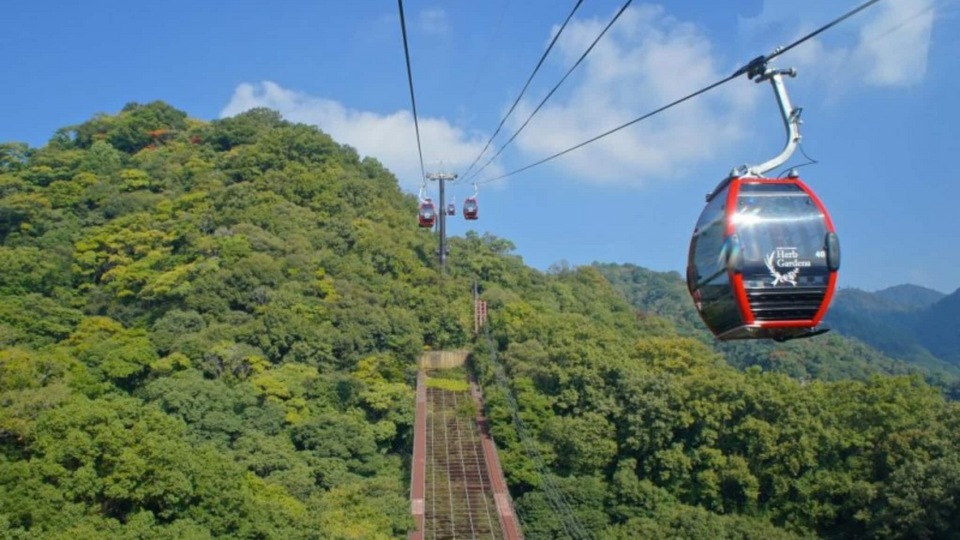
While acknowledging the challenge of waste management, Himachal Pradesh chief minister Jaimram Thakur said that ropeway is a “good pollution-free” way to decongest traffic in urban as well in rural areas.

 Prefer HTon Google


Himachal Pradesh government has started a multi-crore ropeway project to decongest traffic in both rural and urban areas in a “pollution-free way”, chief minister Jairam Thakur said. In an interview with Hindustan Times, the BJP leader, eyeing a re-election in the upcoming assembly polls, acknowledged the challenge of waste management faced by the state but asserted that people of Himachal Pradesh are “environmentally more aware as compared to other states.” Thakur said that the state government is planning for waste management for new infrastructure projects and moving to curtail traffic congestion in the state.
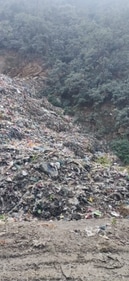
“Yes, this is a challenge but Himachal is environmentally more aware as compared to other states. But I agree that we must plan for this else tourism in the state will take a hit. We are planning for waste management wherever we are creating new infrastructure,” he said.
Highlighting the Parbat Mala project under which ropeways will be built in Shimla and Mandi, the chief minister said that work on a multi-crore ropeway project to link Pandoh Dam with a popular temple in his assembly constituency is currently underway.
“We have asked Union Highway Minister Nitin Gadkari to include a ropeway as part of rural connectivity in NABARD and we were successful. Ropeway is a good pollution free way to decongest traffic in urban areas as well in rural villages, where it could be used for evacuating apple produce,” he added.
On the steps being taken by the BJP-led government to boost tourism and connectivity in the hill state, Thakur said that the focus is on road connectivity and four-lane national highways.
“We will have a complete four lane highway from Kiratpur in Punjab to Manali in Himachal by next year. It is our objective that this task should be completed before the 2024 general elections,” he said.
As railway connectivity through high mountains takes time, the chief minister said that the government is working to expand air connectivity.
“We have started the land acquisition process for the Mandi airport in Bal Valley for better connectivity to Manali and beyond. We are going to expand the Gaggal airport in Kangra for bigger aircraft operations. Air connectivity will support tourism development in the state. We have now come up with “nai rahein, nai manzilien (new roads, new destination:’’ scheme for which the ADB has funded us with ₹2100 crore. For instance, we have developed a ₹28 crore eco-tourism project in my constituency in Jhenjheli under public-private partnership which will operate in full swing from next summer. We are developing four to five new tourism destinations. We have to move beyond Shimla, Manali, Dalhousie and Kasauli.”


