E-Paper



Farmers' body, trade unions to hold nationwide protest on March 10 over West Asia conflict: What you should know
The SKM on Saturday said that the day will be marked by a massive rally of farmers in Barnala, Punjab.

 Prefer HTon Google


Farmers' groups and trade unions have called for nationwide protests on March 10, linking the ongoing tensions in West Asia with concerns over India’s economic ties with the United States. The Samyukt Kisan Morcha (SKM), along with a joint platform of central trade unions (CTUs) and several sectoral federations and associations, announced that demonstrations will be held across the country on Tuesday.
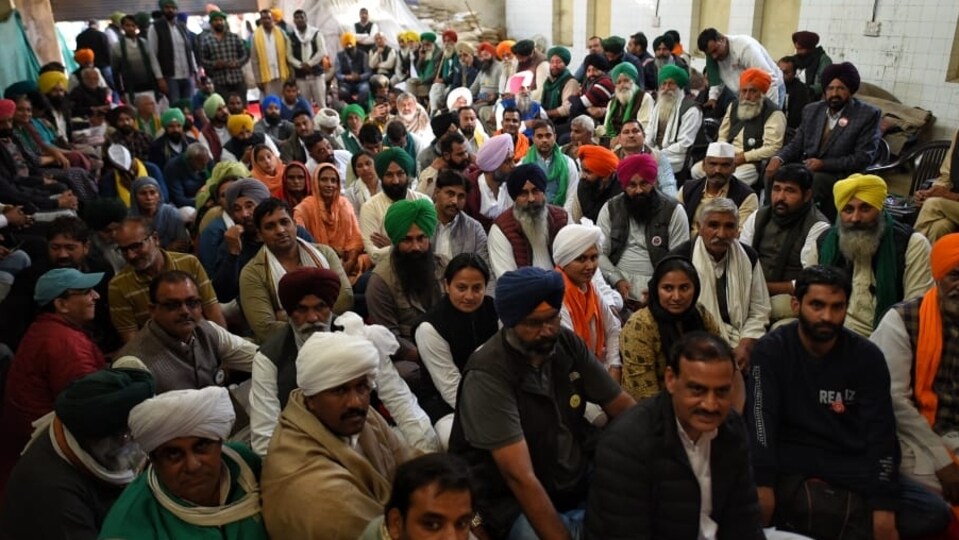
The SKM on Saturday said that the day will be marked by a massive rally of farmers in Barnala, Punjab, news agency PTI reported.
Also read| ‘Big brother’ charge, border dispute: Why India is keeping a close eye on Nepal election results
Similar programmes are planned in other parts of the country, where farmers, agricultural workers, traders, students and women’s organisations are expected to participate.
Trade unions have urged the public to observe the day as “Anti-Imperialist-War Day for World Peace.”
Why the protests are being organised
The organisations said their protest is aimed at raising concerns about the military conflict involving the United States, Israel and Iran, and its broader consequences.
“The Samyukt Kisan Morcha has strongly deplored the war unleashed on Iran by US and Israel that has pushed the entire Middle East into a state of armed conflict and the entire world into a state of economic turmoil. SKM has also condemned the targeted killing of Ayatollah Khamenei, the head of a sovereign country Iran, several senior leaders, and thousands of innocent lives including 183 girl students, bombing schools and hospitals and torpedoing the Iranian ship IRIS Dena in the Indian Ocean that killed 85 soldiers,” the farmers' collective said in its statement.
The group argued that the conflict could have direct economic implications for India. It pointed to the large number of Indians working in Gulf countries and the country’s dependence on energy imports from the region.
“More than 90 lakh Indian citizens, with more than 5 crore dependents, work in Gulf countries in better paid jobs than provided in India. Their security stands threatened,” the statement said.
The SKM also highlighted the importance of trade ties with Gulf nations. According to the organisation, these countries account for 55 per cent of India’s crude oil imports and purchase large quantities of Indian agricultural products such as Basmati rice, buffalo meat, marine products, sugar and fresh fruits and vegetables.
“These exports provide livelihood to lakhs of farmers, workers and MSMEs in India,” the statement added.
Opposition to India–US trade framework
Alongside the geopolitical issue, the protesting groups have also criticised recent economic developments between India and the United States.
The SKM accused the government of “succumbing to US pressures and accepting the unequal Indo-US interim trade framework terms declared on February 6, 2026”.
Among the policies criticised by the group are the four labour codes, the GRAM-G Act, the Electricity Bill, and privatisation of public sector undertakings.
The farmers’ organisation reiterated long-standing demands as well, including:
- A legal guarantee of Minimum Support Price (MSP) based on the Swaminathan Commission recommendations
- A comprehensive loan waiver for farmers
Calls for India to take a stand
The SKM also criticised Prime Minister Narendra Modi’s Israel visit, alleging that the government had ignored the killing of Palestinians in Gaza and had failed to strongly condemn the killing of Iran’s leadership.
Meanwhile, the trade unions called for an “immediate cessation of the war on Iran and other parts of globe” and urged the Indian government to take steps to ensure the safety of Indians living in the Gulf region.
(With PTI inputs)