
 E-Paper



Restrictions on dance bars moral policing: SC to Maharashtra govt
The oral remarks by a bench of justices AK Sikri and Ashok Bhushan came while it was hearing pleas of hotel and restaurant owners challenging the Maharashtra government’s new rules on the functioning of dance bars.


The new restrictions imposed on dance bars in Maharashtra seem to be an attempt at moral policing by the state government, the Supreme Court observed on Thursday.
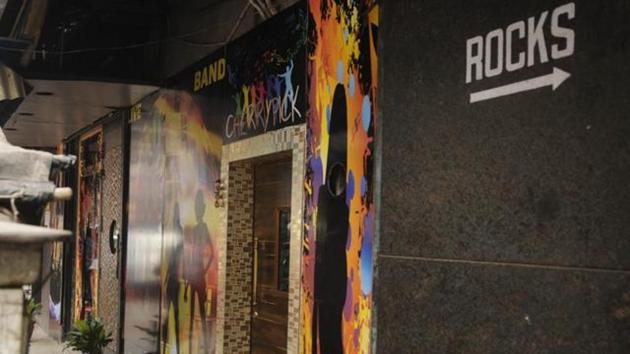
The oral remarks by a bench of justices AK Sikri and Ashok Bhushan came while it was hearing pleas of hotel and restaurant owners challenging the Maharashtra government’s new rules on the functioning of dance bars in the state. The rules, petitioners say, makes it virtually impossible to get a licence to operate the bar.
“This appears to be a case of total moral policing. You have not issued even a single license and rejected all. It’s inconceivable that the authorities are under the apprehension and working with a bent of mind that the dance at the bars is obscene in nature,” Justice Sikri said, amused at the stringent laws.
The judge said that if the enforcers of law have a specific mindset then they would always find an act immoral. “You talk about prurient interest of audience in the rules. But if the enforcer has a mindset then he would find even a moralistic dance obscene or immoral,” Justice Sikri told senior advocate Shekhar Naphade who is defending the law.
One of the provisions of the 2016 notified Maharashtra Prohibition of Obscene Dance in Hotels, Restaurants and Bar Rooms and Protection of Dignity of Women (Working therein) Act, 2016 says that licenses would not be approved if the dances were derogatory to the dignity of women and were likely to deprave, corrupt or injure public morality. This, bar owners, say is subject to misuse by authorities.
The judge agreed with Naphade the term obscenity has not been defined, but said the contours of what would be depraved and corrupt have changed.


