SC grants bail to Bastar journalist Santosh Yadav after 17 months in prison
Yadav was arrested by police in October 2015 on the suspicion of links with Maoist leader Shankar in Darbha area of Bastar.
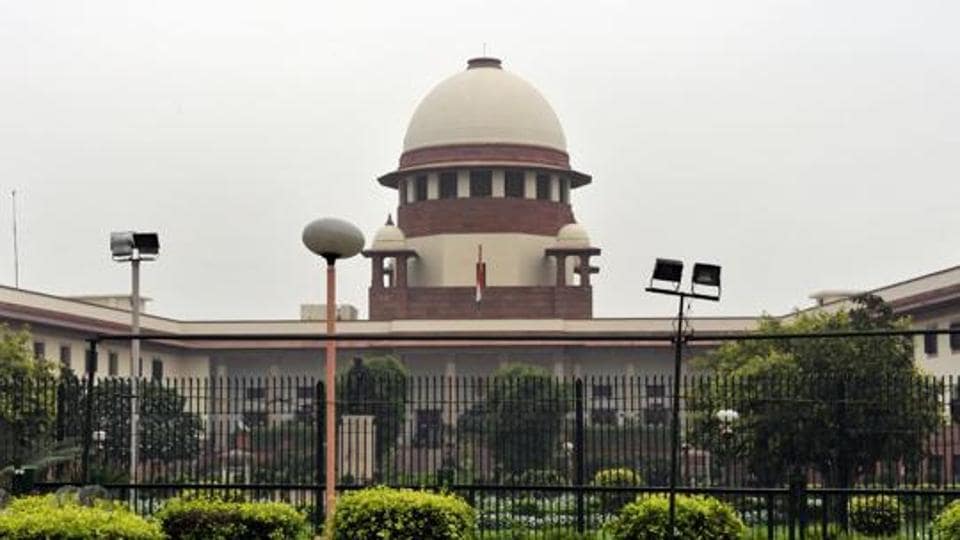
The Supreme Court on Monday granted bail to Santosh Yadav, a Bastar journalist who was arrested by police for alleged Maoist links in 2015.

Yadav was booked on charges of rioting, criminal conspiracy and associating with a terrorist organisation.
“Yadav was granted bail by a division bench of the Supreme Court headed by Justice AK Sikri. Yadav has to visit Darbha police station (Jagdalpur) to mark his daily attendance,” said advocate Kishor Narayan who appeared with senior counsel Colin Gonsalves for Yadav in the SC.
Nayaran further said the court has also said Yadav will not leave Chhattisgarh without authority’s permission. “The written order is yet to come,” he added.
Yadav was lodged in Jagdalpur jail, but was later shifted to Kanker jail after he had reportedly protested against the substandard food given to the inmates by the jail authorities.
Yadav was arrested by police in October 2015 on the suspicion of links with Maoist leader Shankar in Darbha area of Bastar. His arrest led to a protest by journalists who organised a protest march to CM house in Raipur.
ABOUT THE AUTHORRitesh MishraRitesh Mishra is the State Correspondent for Chhattisgarh with Hindustan Times. He reports on Maoism, internal security, politics, mining, governance, and major developments shaping the state. Based in Raipur, he has covered Chhattisgarh since 2016, reporting extensively from the Bastar region and other conflict-affected areas. With nearly two decades of experience in journalism, Ritesh has built a reputation for ground reporting from some of India's most challenging terrains. His coverage spans Left-Wing Extremism, counter-insurgency operations, elections, tribal affairs, environmental issues, infrastructure, mining, and socio-economic developments. He has reported on major security operations, policy initiatives, wildlife crime, and the changing dynamics of conflict and development in Central India. Before moving to Chhattisgarh, Ritesh spent eight years reporting from Madhya Pradesh, covering politics, administration, crime, development, and social issues. Throughout his career, he has reported on various forms of extremism in Central India, combining field reporting with in-depth analysis to produce accurate, balanced, and impactful journalism. Prior to joining Hindustan Times, Ritesh worked with The Pioneer and The Free Press Journal, where he covered a wide range of beats and honed his skills in political, investigative, and field reporting. His reporting is marked by exclusive stories, extensive fieldwork, and a commitment to factual, on-the-ground journalism that brings complex issues to a wider audience.Read More

E-Paper


-kW0H-U20214218012MgB-250x250%40HT-Web.jpg)