E-Paper



SC publishes data on collegium recommendation; provides caste, gender break-up
The disclosures show that only 34 of the 406 were women, eight were from Scheduled Castes (SC), seven from Scheduled Tribes (ST), and 32 from OBC while14 were related to judges

 Prefer HTon Google


The Supreme Court has made public detailed information on high court judicial appointments cleared by its collegium between November 9, 2022, and May 5, 2025.
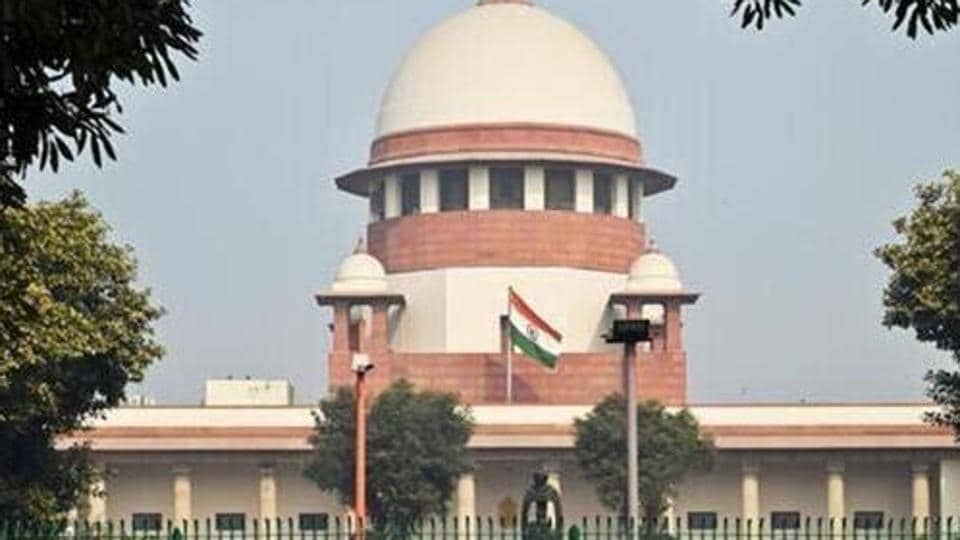
The data, published on the apex court’s website, just days before Chief Justice of India (CJI) Sanjiv Khanna’s retirement on May 14, includes names, caste categories, gender, minority status, and familial links to serving or retired judges.
Of the 406 candidates recommended during this period, the government approved 221 appointments.
The remaining candidates remain either pending or were rejected.
The disclosures show that only 34 of the 406 were women, eight were from Scheduled Castes (SC), seven from Scheduled Tribes (ST), and 32 from Other Backward Classes (OBC) while14 were related to judges.
From November 2022 to November 2024, the collegium recommended 170 names, with 17 still awaiting government approval.
Also Read:Biren Singh tape: SC questions FSL report’s credibility, asks for re-examination
During CJI Khanna’s tenure from November 2024 to now, 51 names were recommended and decision on 12 of those remain pending.
During this period, there was more social representation, including 11 OBCs, two STs, one SC, eight minorities, six women, and two with judicial lineage.
The court also released the process behind these appointments, including the roles played by high court collegiums, state governments, and the Union government. A version of the Memorandum of Procedure has been uploaded for public reference.