
 E-Paper



SC stays high court order granting Pinjra Tod activist Devangana Kalita access to documents
The police had alleged that Kalita, along with other activists, conspired to create unrest in Jafrabad in northeast Delhi in 2020 under the guise of peaceful protests.

 Prefer HTon Google


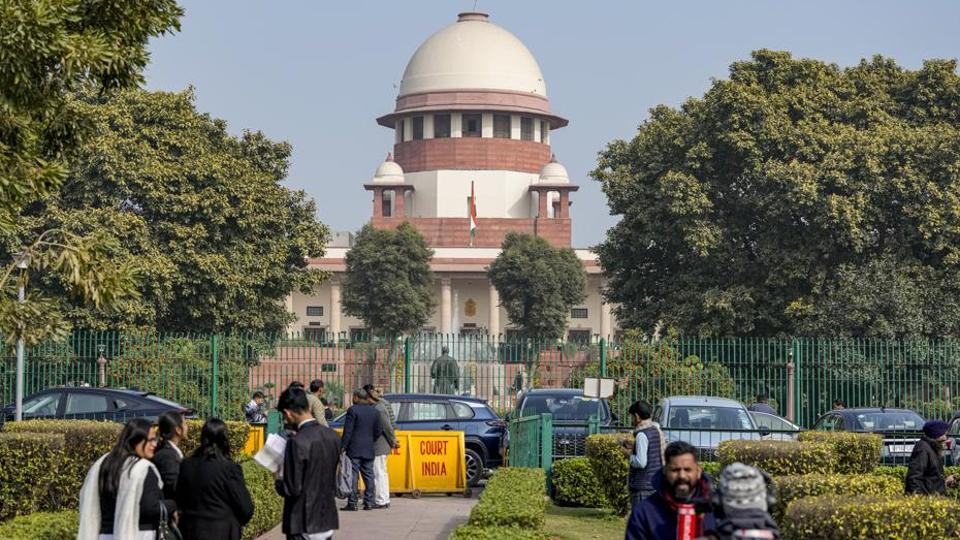
The Supreme Court on Monday stayed a Delhi high court order granting Pinjra Tod activist Devangana Kalita access to documents and material not relied upon by the Delhi Police in its chargesheet in the 2020 Delhi riots larger conspiracy case.
The stay came on an appeal filed by the Delhi Police against the high court’s June 5 order, which had allowed Kalita to inspect the unrelied documents. The high court had also lifted its 2024 stay on the trial court proceedings, permitting the framing of charges to continue.
Issuing notice on the Delhi Police appeal, a bench of justices Aravind Kumar and Vipul M Pancholi said, “In the meantime there shall be stay of the impugned order.”
Appearing for Kalita, advocate Adit S Pujari argued that the high court had granted the relief on the basis of Supreme Court judgments. He referred to the court’s May 2025 ruling in ‘Sarla Gupta v. Enforcement Directorate’, which held that an accused under the Prevention of Money Laundering Act (PMLA) is entitled to the list of documents not relied upon by the investigating agency while filing the chargesheet.
The bench, however, said, “We are not disposing of the appeal. You file your response,” and posted the matter for hearing after two weeks.
Pujari submitted that the allegation against Kalita was that she had indulged in stone-pelting during the anti-CAA protests, even though the entire protest was videographed. He argued that access to the video footage would help establish that the protest was peaceful and rebut the police’s allegations.
The bench observed, “This is the same Gulfisha Fatima case. In this way, you will not conclude the trial in the next 10 years and you say there is delay in trial. You go and argue before the trial court.”
Kalita had approached the high court in 2023, alleging that the Delhi Police had commissioned certain persons to record the anti-CAA protests in February 2020 in which she had participated. She sought copies of the footage before the trial court commenced arguments on the framing of charges, claiming the recordings would support her contention that she had protested peacefully. Besides the video footage, she also sought the WhatsApp chats of a group, alleging that the police had relied only on selective extracts against her.
On September 12, 2024, the high court had directed the trial court not to pass a final order on framing charges in the alleged larger conspiracy case involving Kalita and several others, including former JNU scholar Umar Khalid and Sharjeel Imam, under the Unlawful Activities (Prevention) Act (UAPA). By its June 5 order, the high court vacated the stay while allowing the trial to proceed against Kalita.
According to the Delhi Police, there was a larger conspiracy behind the northeast Delhi riots in February 2020, in which 53 people were killed and more than 700 injured.
The police had alleged that Kalita, along with other activists, conspired to create unrest in Jafrabad in northeast Delhi under the guise of peaceful protests. The Delhi HC granted her bail in the Jafrabad violence case in September 2020. In the larger conspiracy case, she and several other activists were granted bail by the high court in 2021, a decision that was later upheld by the Supreme Court the same year.


