
 E-Paper



Seasonal factors behind varying air fares: Scindia in House
The civil aviation sector has “crests and troughs” and air ticket pricing depends on seasons but passengers can benefit from booking in advance, Union minister Jyotiraditya Scindia told the Rajya Sabha

 Prefer HTon Google


New Delhi: The civil aviation sector has “crests and troughs” and air ticket pricing depends on seasons but passengers can benefit from booking in advance, Union minister Jyotiraditya Scindia told the Rajya Sabha on Monday.
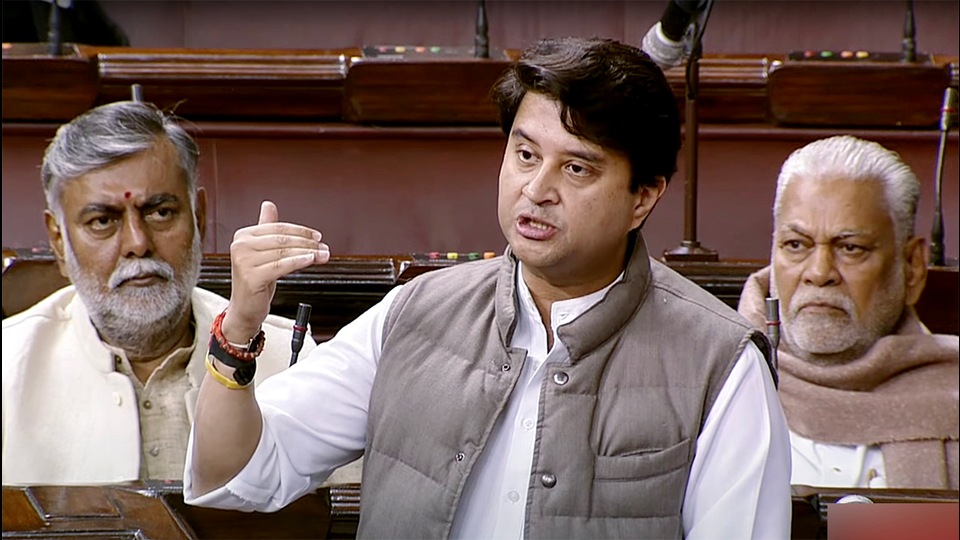
Replying to a question on high ticket pricing, especially during the festive season, the civil aviation minister said it is extremely important to understand that the sector is a seasonal industry.
“There are crests and there are troughs. When festive season starts in October all the way up to February is the high season of civil aviation and you then get into a little bit of a medium lull situation and then the trough, which is the monsoon season is really a wipeout season in terms of civil aviation...,” Scindia told the Upper House during Question Hour. “Because of seasonality factors there will be pricing differences.”
In response to the question by Congress’s Imran Pratapgarhi and CPM’s John Brittas, the minister further said: “The civil aviation sector functions on what is called the Reservation Booking Designator (RBD), where if you book very far in advance you will get very low fares and as the plane starts filling up, the fare is certain to go up and that is a practice followed all across the globe.”
The minister also reminded that the civil aviation sector has gone through possibly the worst time for any industry in the world during the Covid-19 pandemic.
“It was the only industry where our planes were on the tarmac for almost 18 to 24 months and the very fact that we have experienced a V-shaped recovery speaks great volumes of the resoluteness of our carriers and the capability to supply that service to the common man,” he added.
The minister also informed the Rajya Sabha that the Air Turbine fuel (ATF), which is a very important ingredient as a raw material and makes up close to about 50% of a carrier’s cost structure, has gone up from pre-Covid levels between ₹35,000 to ₹40,000 a kilolitre to the present day’s level of ₹1,17,000 a kilolitre.
“There has been an almost 2.5 times jump in terms of the main raw material cost in the cost structure, which comprises almost 50%. That too has an effect on fares,” he added.


