
 E-Paper



SII’s Covishield approval: Efficacy, cost and all about AstraZeneca’s Covid-19 vaccine
AstraZeneca had signed an agreement with Serum Institute of India (SII) to produce 1 billion doses of its experimental vaccine for low- and middle-income countries.

 Prefer HTon Google


A government’s expert panel has reportedly approved the vaccine, developed by AstraZeneca and Oxford University, for emergency use in India to provide immunity against the coronavirus disease (Covid-19). According to news agency Reuters, a subject expert committee, set up by Drugs Controller General of India (DCGI) to vet Covid-19 vaccine proposals, recommended granting emergency use authorisation to AstraZeneca’s vaccine AZD1222, dubbed in India as Covishield.
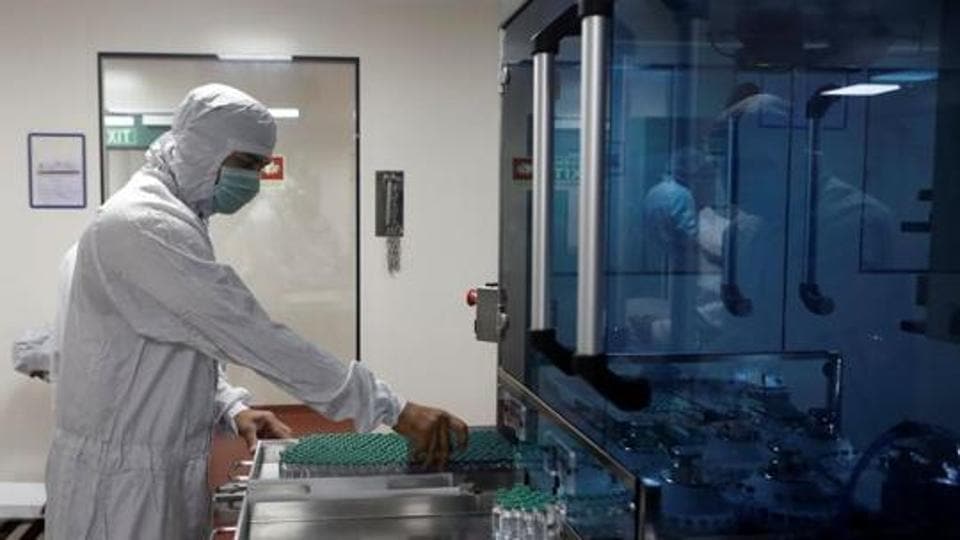
AstraZeneca had signed an agreement with Serum Institute of India (SII) to produce 1 billion doses of its experimental vaccine for low- and middle-income countries. The Pune-based company has sought an emergency use authorisation for the Covid-19 vaccine which recently received approval from British regulators.
Britain’s Medicines and Healthcare products Regulatory Agency (MHRA) on Wednesday authorised the AstraZeneca-Oxford vaccine for deployment across the United Kingdom on the conditions that the vaccine should be administered in two doses, with the second dose given between 4 and 12 weeks after the first.
Here’s all you need to know about the vaccine:
Efficacy: In two different dosing regimens, the AstraZeneca-Oxford Covid-19 vaccine showed the efficacy of 90 per cent and 62 per cent. In participants who received two full doses at least one month apart, vaccine efficacy was 62 per cent, and in participants who received a low dose followed by a full dose, efficacy was 90 per cent.
Safety: The Lancet publication, a leading medical journal, has confirmed that AZD1222 was well tolerated and there were no serious safety events confirmed related to the vaccine. The safety data published is from over 20,000 participants, so far, enrolled across four clinical trials in the UK and Brazil and South Africa.
Also Read | Govt’s expert panel approves AstraZeneca/Oxford Covid-19 vaccine for emergency use
Storage: The AstraZeneca-Oxford Covid-19 vaccine can be stored, transported and handled at normal refrigerated conditions (2°C to 8°C) for at least six months.
Cost: Adar Poonawalla, the chief executive officer of SII, had told Hindustan Times that Covidshield will be priced in India at Rs 500-600.
Technology: AZD1222 is made of a weakened and modified version of adenovirus (a common cold virus) that causes infections in chimpanzees and contains the genetic material of the SARS-CoV-2 virus spike protein. After vaccination, the surface spike protein is produced, priming the immune system to attack the SARS-CoV-2 virus if it later infects the body.


