
 E-Paper



Social distancing, personal hygiene key in Covid-19 fight, says doctor
““Healthcare workers will need training on handling Covid-19 patients. Equipping them with specific information and protective gear will go a long way,” says Dr Divya Deodhar, associate professor, department of infectious diseases at Christian Medical College, Vellore.


New Delhi: With the number of coronavirus disease (Covid-19) positive patients increasing rapidly, health care workers — especially those on the front line — will need a steady supply of masks, hand rub, and fluid repellent gowns that are all in short supply at most hospitals. They will also need training on handling Covid-19 patients. Equipping them with specific information and protective gear will go a long way, Dr Divya Deodhar, associate professor, department of infectious diseases at Christian Medical College, Vellore, tells Jayashree Nandi.
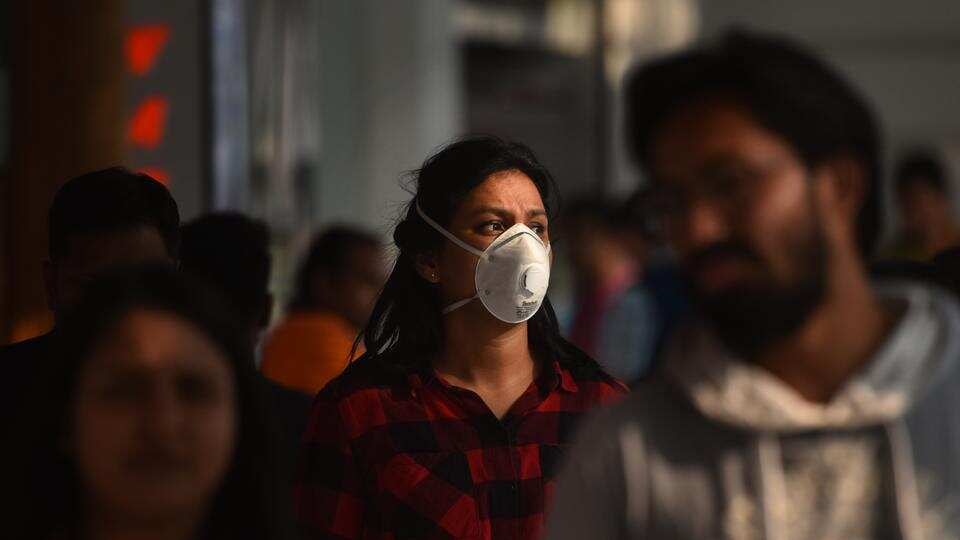
Edited excerpts:
Do you think India needs more testing to identify community transmission?
We should increase testing but only to a certain extent. It shouldn’t be a priority. Containing the spread of the virus should be our focus by driving home the importance of social distancing, personal hygiene, sanitation -- like washing hands again and again with soap and water or with a hand sanitiser -- and avoiding touching your face. Testing should be recommended for those coming with severe infections or severe acute respiratory infections. It is important that people who have contact with those who have travelled back or have even visited any big airport for domestic travel should self-report if they have symptoms. If possible, people should avoid domestic travel also.
How will testing all patients with Severe Acute Respiratory Infections (SARI) help?
SARI patients should be tested to understand the extent of transmission and to know the exact level of transmission and mortality. It is not for clinical use. Those with milder symptoms can self isolate at home.
Do you think private hospitals should be involved in testing and care?
The Centre has issued guidelines for government hospitals on treating Covid-19 patients. But there are different policies in states. Not all government centres are well-equipped and there will be a need to involve private hospitals. There are premium private hospitals which can test and also keep patients in isolation. We need private participation.
Is there a deficiency of protective gear for health care workers?
There is definitely a deficiency of basic protection like hand sanitisers and masks in most hospitals. But we also need to teach all categories of health care workers on how to care for patients and at the same time protect themselves. It’s important that we don’t create a scare. We have pledged to serve humanity and it’s our duty to treat patients. We at CMC are cohorting (grouping of people with similar symptoms), so people coming into emergency or OPD with symptoms of the infection are treated separately by health care workers using protective equipment. We are also working on building a fever clinic so as to better cohort them. Ours is a referral centre where we get patients from all over the world.
Do we use hazmat suits in our hospitals? Do we have enough of them?
Some of this gear was used based on the experience from Ebola. In India, we are not very sure how the virus behaves. We are not very sure the whole equipment is required all the time during treating infected persons. Most often health care workers are advised to be one metre away from the patient. But a fluid-repellant gown is needed during aerosol generating procedures such as while intubating the patient, performing a bronchoscopy or doing a spirometry of suspected and infected patients. We have to place a special order for those. We definitely need those gowns at least for the workers in ICU for infected patients.
Are you treating Covid-19 patients?
We get patients who are suspected to have the infection. We refer them for testing depending on their symptoms. I have experience with the H1N1 outbreak. We were taught how to handle an outbreak and how to care for yourself. We have to treat patients. We can’t be afraid but we have to be alert.


