
 E-Paper



Southern states achieve UN goals on Maternal Mortality Ratio
While regional divergences in MMR remain, a look at long-term trends in MMR shows that the situation has been improving in high MMR states.


India’s southern states have achieved the United Nation’s Sustainable Development Goals target of bringing down Maternal Mortality Ratio (MMR) below 70, shows the latest Sample Registration System (SRS) findings for 2016-18. All-India MMR in 2016-18 stood at 113. India’s MMR was 130 and 122 in 2014-16 and 2015-17, respectively. Among states, Kerala has the lowest MMR at 43. This value was the highest in Assam at 215. The ‘Empowered Action Group’ (comprising of Bihar, Jharkhand, Madhya Pradesh, Chhattisgarh, Odisha, Rajasthan, Uttar Pradesh, and Uttarakhand) and Assam had an MMR of 161.
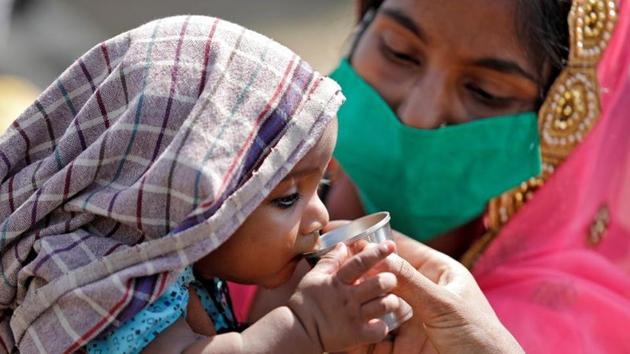
While regional divergences in MMR remain, a look at long-term trends in MMR shows that the situation has been improving in high MMR states.
See Chart 1: MMR in different state groups
The World Health Organization defines maternal deaths as “the death of a woman while pregnant or within 42 days of termination of pregnancy, irrespective of the duration and site of the pregnancy, from any cause related to or aggravated by the pregnancy or its management but not from accidental or incidental causes”. MMR is number of maternal deaths for every 100,000 live births.
To be sure, the headline numbers given in the latest SRS bulletin need to take read with a caveat. The MMR values have been predicted within a 95% confidence interval, and the range varies significantly for individual states. For example, Assam’s MMR range is from 133-297, while Kerala’s is from 10-77. Women between the ages of 20 and 29 account for 65% of maternal deaths in India. Women in this age-group had a share of 23% in non-maternal deaths, the SRS data shows.


