
 E-Paper



Supreme Court’s 9-judge bench to begin Sabarimala verdict hearing next Monday
The Supreme Court had last month indicated that the review petitions will be heard by a combination of seven judges.


A nine-judge bench of the Supreme Court will begin a fresh round of hearing to decide the review petition against the top court’s 2018 Sabarimala verdict that struck down a law prohibiting entry of women between 10-50 years into the hilltop shrine.
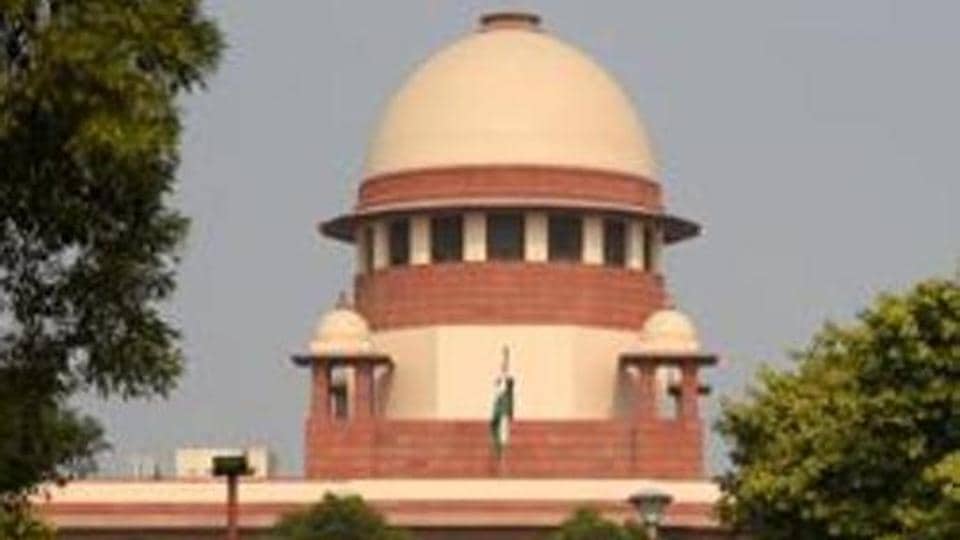
The Supreme Court had last month indicated that the review petitions will be heard by a combination of seven judges. A fresh notice issued by the Supreme Court on Monday said the case would be heard by a nine-judge that would begin the hearing from 13 January, or next Monday.
A five-judge bench of the Supreme Court had, by a 4:1 verdict, ended a ban on the entry of women to the over 800-year-old shrine in south Kerala’s Pathanamthitta district. But a bunch of 65-odd petitions were filed against the 2018 verdict.
The five judges, who heard the review petitions for days, decided by a 3:2 majority not to give a ruling on the Sabarimala judgment but open up the rights vs faith question to other religious practices. All these practices, the judgment said, would be examined by a larger bench.
Of the issues that had been shortlisted by the top court were the entry of women into mosques, denial of access to fire temples for Parsi women who marry outside the community and the practice of female genital mutilation among Dawoodi Bohras.
The court, in its November 14 order, said the debate about the constitutional validity of practices entailing the restriction of entry of women generally in the place of worship was not just limited to the Sabarimala case. But it also arises in respect of entry of Muslim women into a Durgah or Mosque and Parsi women married to a non-Parsi into the holy fire place of an Agyari.
“There is yet another seminal issue pending for consideration in this Court regarding the powers of the constitutional courts to tread on question as to whether a particular practice is essential to religion or is an integral of the religion, in respect of female genital mutilation in Dawoodi Bohra community,” the top court had ruled.
.


