
 E-Paper



Will jail officials: Supreme Court on plea that people prosecuted under junked Sec 66A
The bench, led by Justice RF Nariman, has given the Centre four weeks’ time to file a response to a PIL claiming the arrests.

 Prefer HTon Google


The Supreme Court has come down heavily on the Centre for not taking appropriate measures to prevent arrests made under Section 66A of the IT Act struck down by the top court.
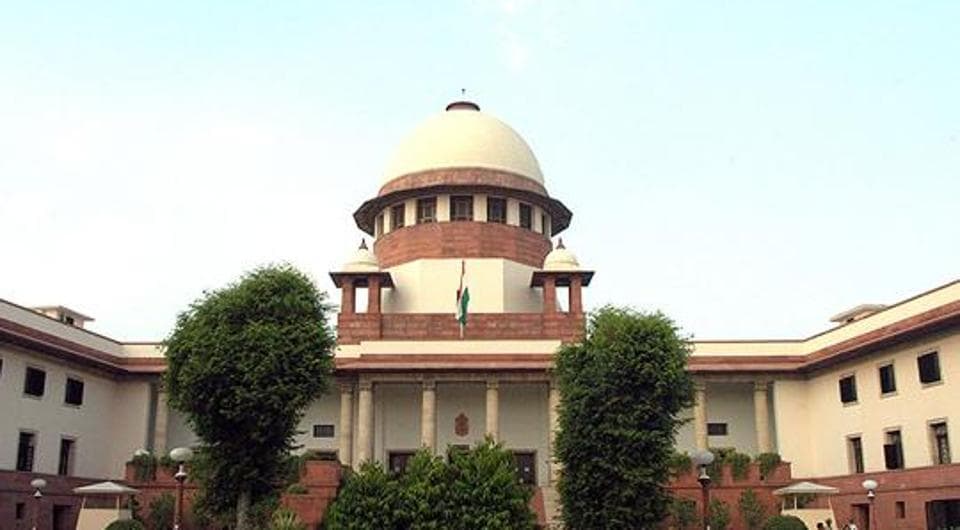
In 2015, the Supreme Court had scrapped Section 66A of the Information Technology Act that prescribed a three-year jail term for online content that could be construed to be offensive or false, holding that this provision violates the constitutional freedom of speech and expression.
But a petition before the Supreme Court on Monday said people were still being prosecuted under the dead cyber law. The petition also listed some cases where people were still facing prosecution.
The petition was filed by the People’s Union for Civil Liberties or PUCL in which it claimed that as many as 22 people had been prosecuted under the now dead cyber law ever since it was struck down by the Supreme Court.
“If what they allege is correct, then you people will face severe strictures,” said Justice Rohinton Fali Nariman.
“We will send everyone to jail who ordered the arrests. We are going to take very strict action,” the judge said.
The bench, led by Justice RF Nariman, has given the Centre four weeks to file a response.
The Supreme Court had struck down the “draconian” provision in March 2015. Section 66A of the IT Act had led to the arrests of numerous people for posting “allegedly objectionable” content on the internet.
In its judgment, the court had observed that the section “arbitrarily, excessively and disproportionately invades the right of free speech”.
The verdict in 2015 had been passed by Justice RF Nariman.
The first PIL against the section was filed in 2012 by law student Shreya Singhal, who had sought an amendment in it after two girls were arrested in Palghar in Thane under it. One of the girls had posted a comment against a shutdown in Mumbai after Shiv Sena leader Bal Thackeray’s death and the other had liked it.
In May 2013, the Supreme Court had issued an advisory stating that a person accused of posting objectionable comments on social networking sites, cannot be arrested without permission from a senior officer such as an IG or a DIG.


