
 E-Paper



Temperature, humidity may do little to halt the spread of Covid
A batch of studies during the initial surge of the pandemic had held out hope that drier and colder climates are more suited to the virus, and that the weather in tropical countries may hobble the spread to the disease.


Higher temperature and humidity may do little to arrest the spread of the coronavirus pandemic, a new study has found, adding to a growing body of literature that indicate that the correlation between local climate conditions and virus transmission is weak.
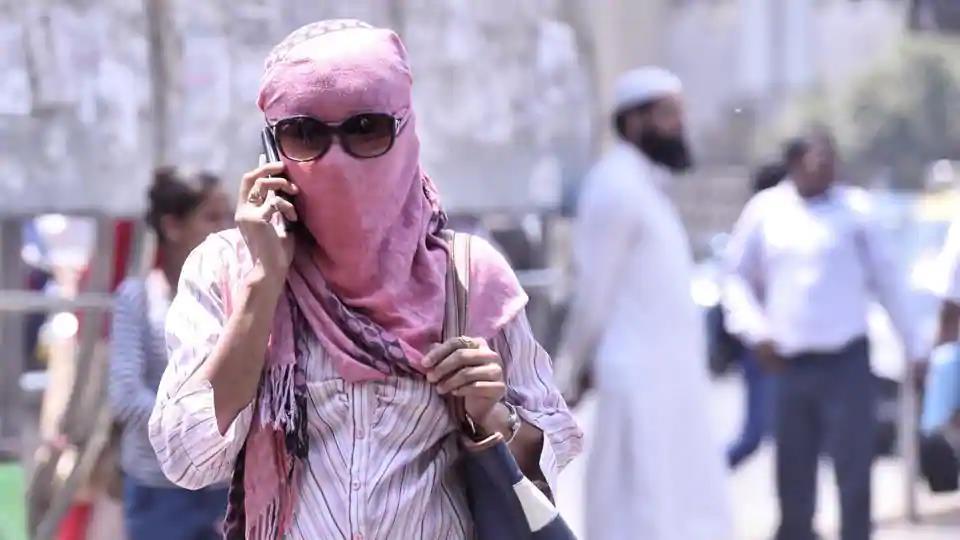
The study -- conducted by scientists at Princeton University and the US National Institutes of Health and published in the journal Science on Monday -- also suggested that the lack of sizeable immunity to the Sars-Cov-2 virus and the speed of the pathogen ensured that climate and humidity had a very limited impact on transmission.
“It doesn’t seem that climate is regulating spread right now,” said Rachel Baker, a postdoctoral scholar in the Princeton Environmental Institute and first author of the paper. “We project that warmer or more humid climates will not slow the virus at the early stage of the pandemic.”
A batch of studies during the initial surge of the pandemic had held out hope that drier and colder climates are more suited to the virus, and that the weather in tropical countries may hobble the spread to the disease.
But this paper joins previous research from the Massachusetts Institute of Technology and the US National Academies of Sciences (NAS) that say while there is some evidence that Sars-CoV-2 transmits less efficiently in higher ambient temperature and humidity, this does not lead to a significant decrease in disease spread without major interventions, such as personal protection and social distancing.
The scientists ran three scenarios. The first assumed that coronavirus has the same climate sensitivity as influenza. The second and third scenarios assumed the virus had the same climate dependence as OC43 and HKU1, which cause common cold and are of the same betacoronavirus genus as Sars-CoV-2.
In all three scenarios, climate became a significant factor when large portions of the population were immune or resistant to the virus. “The more that immunity builds up in the population, the more we expect the sensitivity to climate to increase,” Baker said.
In one of the simulations, the team found that despite very different climates in New York, London and Delhi, there was no substantial difference in pandemic size in various scenarios.
While for HKU1 (which results in upper respiratory tract disease like common cold), tropical locations experienced a more sustained, lower intensity pandemic than the northern hemisphere, the dependence on climate was not as much for OC43 (known to cause common cold) was not as much.
Without a vaccine or other control measures, Covid-19 will become responsive to seasonal changes only after the supply of unexposed hosts is reduced, said co-author Bryan Grenfell, professor at the Princeton Environmental Institute.
“Our simulated control measures imply that the key determinant of reduced peak incidence is the extent to which population immunity builds over the control period...the timing of introduction and the efficacy of local control measures as well as factors such as population density and contact patterns could also shape future outcomes,” the study said.
Yusuf Jameel, a postdoctoral researcher with MIT, said that monsoon may slow the spread of the disease only a little and that the correlation between temperature and the spread of coronavirus is weakening with time and growing cases in warmer countries.
The scientists emphasised the need for more research in diverse locations and said the results didn’t account for potential cross-immunity from other coronavirus infections or the impact of rainfall. Coronaviruses that cause potentially serious human illness, including both Sars-CoV and Mers-CoV that caused outbreaks of severe acute respiratory syndrome and middle-east respiratory syndrome in the past, have not demonstrated seasonality.
“The researchers have run extensive models. Overall it suggests that in the initial stages of pandemic, people’s immune response is the most important in determining how the virus will impact the population. This is also called residual immunity. Even if people have immunity to other related viruses, it can help. Climate and other related factors will only gain prominence when the population has developed resistance or immunity to the disease,” said Amit Singh, associate professor, Centre for Infectious Disease Research, Indian Institute of Science.


