

 E-Paper


Timeline: How Nizamuddin event went on despite lockdown orders
More than 2,000 people who were at the markaz in Delhi’ Nizamuddin area have been identified. The building has emerged as one of the biggest Covid-19 hot spots in the country.
Officials across the country began a frantic search for thousands of people who had been to the headquarters of a religious group in Delhi’s Nizamuddin area that has now emerged as the single-biggest source of coronavirus disease (Covid-19) infections in the country, leading to at least eight deaths and 117 confirmed cases.
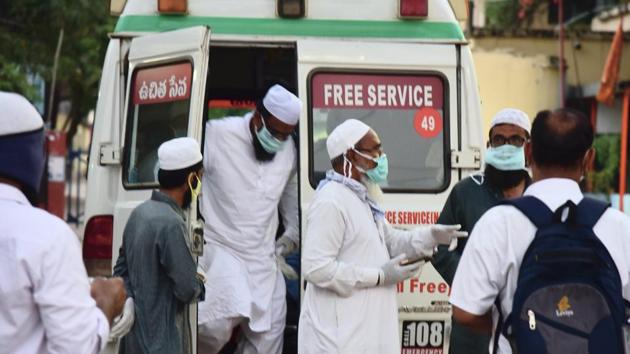
The discovery of the hot spot at the six-storey building of the Tablighi Jamaat - called a markaz - triggered alarm in several circles of the government.
Here’s a timeline of the event as reported by news agency ANI:
March 13: Around 3,400 people came together to be part of the religious gathering at the Nizamuddin markaz
March 13: The congregation began even after an order by the Delhi government on the same day, which said that no religious, social, political gatherings of more than 200 people will be allowed in Delhi till March 31
March 16: Delhi CM Arvind Kejriwal announced further tightening of measures, and a revised guideline that no gathering of more than 50 people will be allowed in view of coronavirus. However, people at the Markaz continue to stay there
March 20: 10 Indonesians who attended the gathering tested positive in Telangana
March 22: Janta curfew announced
March 23: 1500 people vacate the markaz
March 24: Nationwide lockdown announced by Prime Minister Narendra Modi
March 25: Around 1,000 people remain at the markaz. Jamaat officials go to the SDM’s office to file an application for permission to transfer its workers.
March 26: A preacher who attended the gathering tested positive and died in Srinagar
March 26: SDM visits the markaz and called Jamaat officials for a meeting with the DM
March 27: Six coronavirus suspects taken away from the markaz for a medical check-up and were later put in a quarantine facility in Haryana’s Jhajjar
March 28: SDM and the WHO team visit the markaz and 33 people who were taken for medical check-up were kept in the isolation ward at Rajiv Gandhi Cancer Hospital
March 28: ACP (of Lajpat Nagar) sent a notice to the markaz to vacate
March 29: In response to ACP’s letter, Markaz officials said no new people were allowed to gather post nationwide lockdown announcement. The current gathering had started much before lockdown and that the PM in his lockdown speech said “jo jahaan hai vahin rahe (stay put where ever you are)”
From the night of March 29: Delhi Police and health authorities start taking out people from markaz and sending them to hospitals and quarantine facilities
March 31: 1,548 people evacuated from Nizamudddin markaz till the evening

