
 E-Paper



US sets zero tariff on certain speciality drugs, ingredients from India, 19 other nations
An ad valorem tariff is a set percentage of the monetary value of the goods to be taxed, according to the World Customs Organisation.

 Prefer HTon Google


The US will impose zero al valorem tariff on certain speciality drugs and related ingredients used for treatment of rare medical conditions imported from India and 19 other countries, even as Washington prepares to levy a 100 per cent tariff on specified patented pharmaceutical products from September 29.
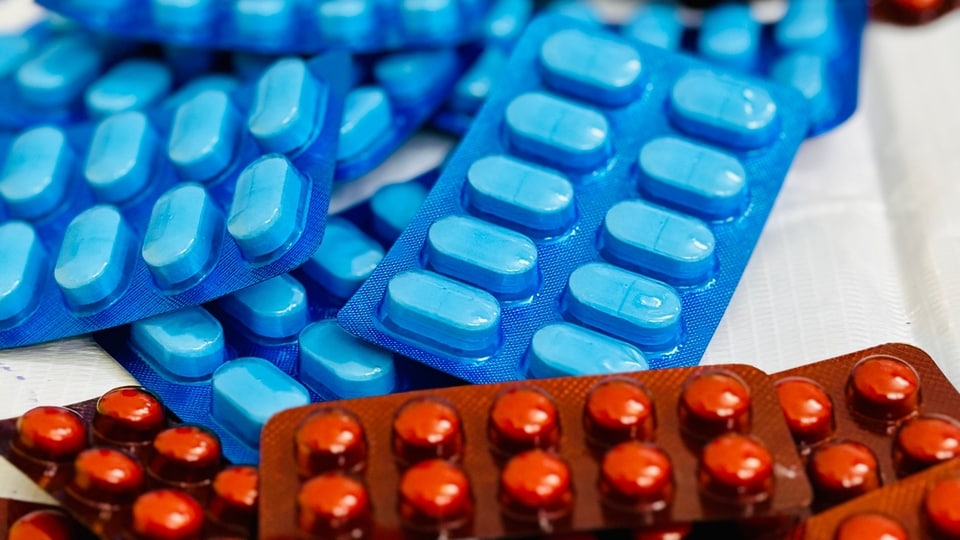
The US Commerce Department published the list of countries eligible for the zero tariff rate in the Federal Register as part of its implementation of President Donald Trump's plan to raise duties on certain pharmaceutical imports.
The eligible products include drugs designated for rare diseases, infertility treatments, cell therapies, gene therapies, antibody-drug conjugates (ADCs) and animal pharmaceuticals. Components used in these drugs will also qualify for the zero per cent tariff, according to the notice.
Also read: Xi-Trump meet: US wooing China means it's abandoning India? Point Blank decodes Delhi's strategy
Besides India, the other countries covered by the zero tariff provision are Argentina, Bangladesh, Cambodia, Ecuador, El Salvador, the European Union, Guatemala, Indonesia, Japan, Jordan, Malaysia, North Macedonia, South Korea, Switzerland, Liechtenstein, Taiwan, Thailand, Britain and Vietnam.
An ad valorem tariff is a set percentage of the monetary value of the goods to be taxed, according to the World Customs Organisation.
The notice said qualifying products from the abovementioned countries could receive a zero per cent tariff because they have a current or forthcoming trade and security framework agreement with the US.
The exemptions are part of the implementation of Trump's April proclamation adjusting imports of pharmaceuticals and pharmaceutical ingredients under Section 232 of the Trade Expansion Act.
On April 2, Trump issued a proclamation imposing tariffs on imports of patented pharmaceuticals, biologics and associated ingredients into the US as part of efforts to encourage domestic production.
Also read: Piyush Goyal to visit US for G20 meet, push for interim bilateral trade deal
The proclamation imposed a 100 per cent tariff on specified patented pharmaceuticals and ingredients. It took effect on July 31 for companies named in one annex and will apply to other covered companies from September 29.
Generic pharmaceutical products and their associated ingredients are not subject to the Section 232 pharmaceutical tariffs, according to the Commerce Department notice.
The latest notice also makes several technical corrections to the original proclamation. These include amending the definition of "generic pharmaceutical articles" to specifically include unpatented animal health products.
It also clarifies that the definition of "pharmaceutical articles" only encompasses finished pharmaceutical products, their active pharmaceutical ingredients, and the key starting materials of such ingredients.
(With inputs from PTI)


