
 E-Paper



Villagers say Maoists had no option but to jump into the river during Gadchiroli encounter
Blood stains, empty bullets shells, jerry cans, slippers and Maoist literature lay strewn all over the encounter site, which falls on the north bank of the river


There is an uneasy calm on the banks of river Indravati, where 33 alleged Maoists were killed in a bloody encounter with the security forces on the morning of April 22.
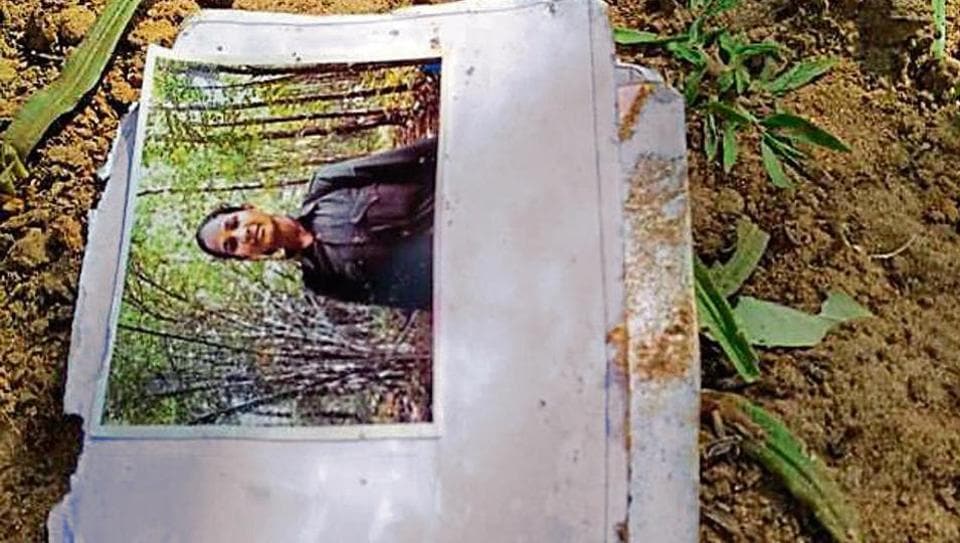
Blood stains, empty bullets shells, jerry cans, slippers and Maoist literature lay strewn all over the encounter site, which falls on the north bank of the river. The river divides Maharashtra and Chhattisgarh and the Maoist camp was on the Chhattisgarh side of the river.
A close survey of the encounter site gives the impression that the Maoists were trapped by the security forces in a pincer move from the north, with a small hillock acting as a shield.
Locals familiar with the terrain say the Maoists had no escape route except to jump into the river while firing back at the forces.
After the encounter ended, bodies of 16 Maoists were recovered from the spot. A day later, 15 bodies were spotted downstream, and on Wednesday two more bodies were found floating in the river. “The firing started around 6am when the Maoists were engaged in their morning chores, some preparing food for the camp, others bathing in the river. We could hear the firing from my village Boriya, which is about three kilometers from the encounter site. The Maoists seemed to have pitched their camp at the site on the intervening night of April 21 and April 22,” said Somnath Madavi, a local who accompanied this reporter to the encounter site.
Madavi was among the villagers of Boriya who helped the security forces fish out the bodies of the Maoists from the river. “Some of the bodies were eaten by crocodiles and fish in the river hence they could not be identified,” added Madavi.
Along the river bank, tell-tale signs of camping were visible — tooth brush, tooth paste, injections, soap, water bottles, cans, undergarments, kitbags and bullets of automatic rifles. Some personal letters and other literature related to ‘oppression’ by police forces also lay scattered near the river bank. Signs of exchange of gun fire were visible on tree trunks and rocks in a half-kilometre radius. Locals from the two villages nearby said no civilian was killed or injured in the encounter.
Assistant sub-inspector of Tadgaon, Sameer Dabhade, who was coordinating the encounter said, “If any civilian would have been killed, by now people would have complained to activists or other leaders. They all were Maoist cadres.”
-kW0H-U20214218012MgB-250x250%40HT-Web.jpg)


