
 E-Paper



Wang Yi in India for 1st visit since LAC standoff
Wang will meet Jaishankar at 11am on Friday, people familiar with the matter said. He is also expected to meet National Security adviser Ajit Doval, though there was no clarity on the agenda for these engagements.

 Prefer HTon Google


Chinese foreign minister Wang Yi arrived in India on Thursday for the first visit by a senior leader from the country since India and China were locked in a military standoff in Ladakh sector in May 2020, and is expected to hold talks with his Indian counterpart S Jaishankar on Friday.
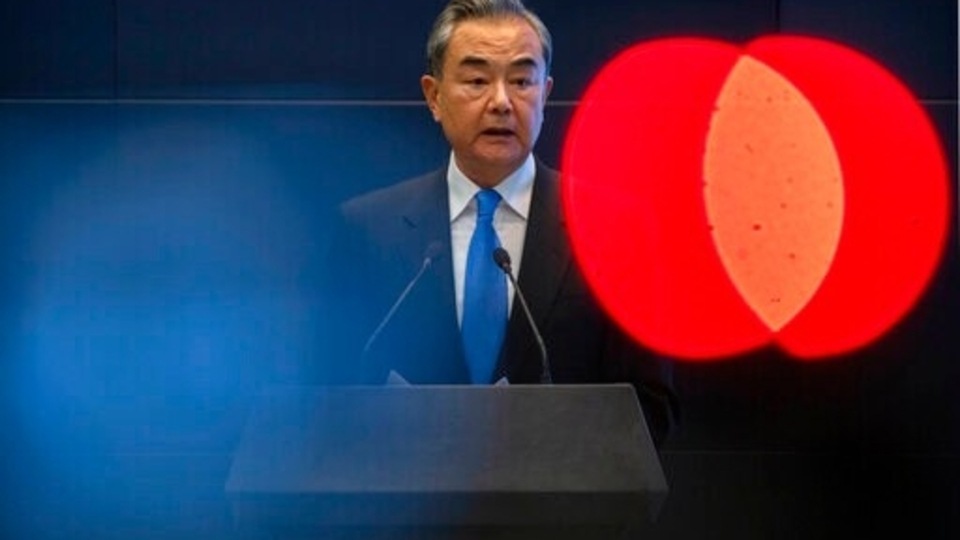
The trip was kept tightly under wraps by both sides, which did not make any official announcements about the visit even after television channels beamed footage of Wang driving out of the airport in New Delhi soon after flying in on a special flight from Kabul on Thursday evening.
Wang will meet Jaishankar at 11am on Friday, people familiar with the matter said. He is also expected to meet National Security adviser Ajit Doval, though there was no clarity on the agenda for these engagements. Wang and Doval are the special representatives of the two countries for talks on the border issue.
A meeting between Wang, who holds the rank of state councillor, and Prime Minister Narendra Modi did not appear to be on the cards despite hectic efforts by the Chinese side, the people said. The visit to India was proposed by the Chinese side as part of Wang’s trip to the region.
Before Wang travelled earlier on Thursday to Afghanistan , where he held talks with the Taliban’s interim foreign minister Amir Khan Muttaqi and other leaders, he began his trip to the region in Pakistan on March 22. Besides participating in a meeting of the council of foreign ministers of the Organisation of Islamic Cooperation (OIC) as a special guest, he participated in Pakistan Day celebrations on March 23.
Wang drew criticism from the Indian government ahead of his visit to New Delhi over his remarks at the OIC meeting on the Kashmir issue. The Indian side on Wednesday rejected the Chinese foreign minister’s support for the Islamic world’s views on Kashmir and said China has no locus standi to comment on the matter.
The standoff on the Line of Actual Control (LAC) and a brutal clash in Galwan Valley in June 2020 that killed 20 Indian soldiers and an unspecified number of Chinese troops – the first fatalities on the disputed border in 45 years – took bilateral relations to a fresh low. Despite several rounds of diplomatic and military talks, India and China agreed on disengagement of frontline troops only on the north and south banks of Pangong Lake and at Gogra.
Since the standoff began, Wang and Jaishankar have held two meetings on the margins of events organised by the Shanghai Cooperation Organisation (SCO) – on the sidelines of a SCO foreign ministers’ meeting in Moscow in September 2020 and on the sidelines of the SCO meeting of heads of states in Dushanbe in September 2021.
Though the meeting in Moscow resulted in the two ministers agreeing that the tensions in the border areas were not in the interest of either side, and that border troops “should continue their dialogue, quickly disengage, maintain proper distance and ease tensions”, there was no forward movement in ending the standoff and restoring status quo on the LAC as it existed in April 2020.
The top Indian leadership has consistently said that the normalisation of bilateral ties is linked to the restoration of peace and tranquillity in the border areas and the adherence to several agreements and protocols on border management. The Chinese side has maintained that the border issue should be put in its “appropriate” place in the bilateral relationship while the two sides take forward ties in areas such as trade.
At the same time, the Chinese side is keen to engage India on the global turmoil caused by Russia’s invasion of Ukraine and the efforts of Western powers to isolate Russian President Vladimir Putin.



