
 E-Paper



Why is Delhi flooded? Encroachment of floodplains, extreme rainfall | Explained
No rain but Delhi flooded: The water released from the Hanthnikund barrage in Haryana reaches Delhi after a day or two.

 Prefer HTon Google


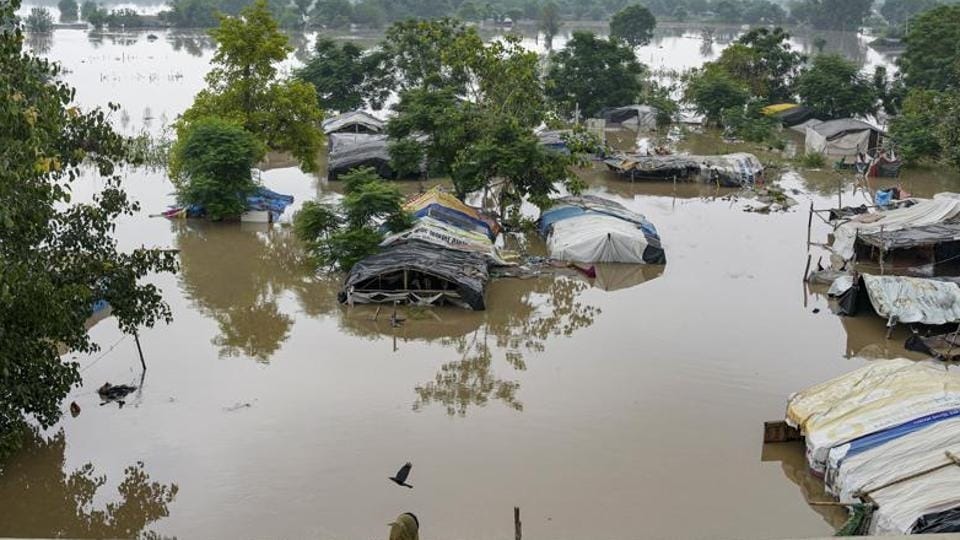
Flood water entered Delhi roads on Thursday morning submerging ITO, Civil Lines though it has not been raining intensively in the national capital after Tuesday. The rise in the water level of the Yamuna river is the main contributing factor to the flooding which is dependent on the release of the water from the Hanthikund barrage in Haryana. But if this is what happens regularly in every monsoon then why Delhi sees flooding this year. Read | Flooding near Arvind Kejriwal's house, ITO, Kashmere Gate among affected areas: See complete list
Less time for water to reach Delhi from Hathnikund
According to the officials of the Central Water Commission, this year the water released from the Hanthnikund barrage took less time to reach Delhi. Its velocity was high probably because of the encroachment of the floodplain leaving a constricted route for the water to pass. High siltation elevating the riverbed can also be another factor contributing to Delhi flooding without rain.
Extreme rainfall in a short span of time
Delhi witnessed extreme rain on Saturday and Sunday as the Capital recorded the wettest July day in 40 years. As recorded on Sunday at 8.30am, Delhi recorded 153 mm of rain. Kejriwal earlier said Delhi withstood 100 mm of rain in 24 hours earlier. But Delhi's systems are not prepared to take such a huge volume of rain. If the same amount of rainfall took place over days, the situation would not have worsened.
"We noticed that the water released from the Hathnikund barrage took less time to reach Delhi compared to previous years. The main reason could be encroachment and siltation. Earlier, the water would have had more space to flow. Now, it passes through a constricted cross-section," an official of the CWC said. The water from the barrage at Yamunanagar in Haryana, which is around 180 kilometres from the national capital, takes around two to three days to reach Delhi.


