
 E-Paper



When period leave becomes law: What Karnataka’s new policy means for working women
Karnataka has extended this benefit beyond government offices to include the private sector

 Prefer HTon Google


Karnataka recently made a bold move that could reshape how workplaces across India treat women's health. The state's Congress government has approved a menstrual leave policy, allowing women in both the government and private sectors to take one paid day off per month during their period — a total of 12 days a year.
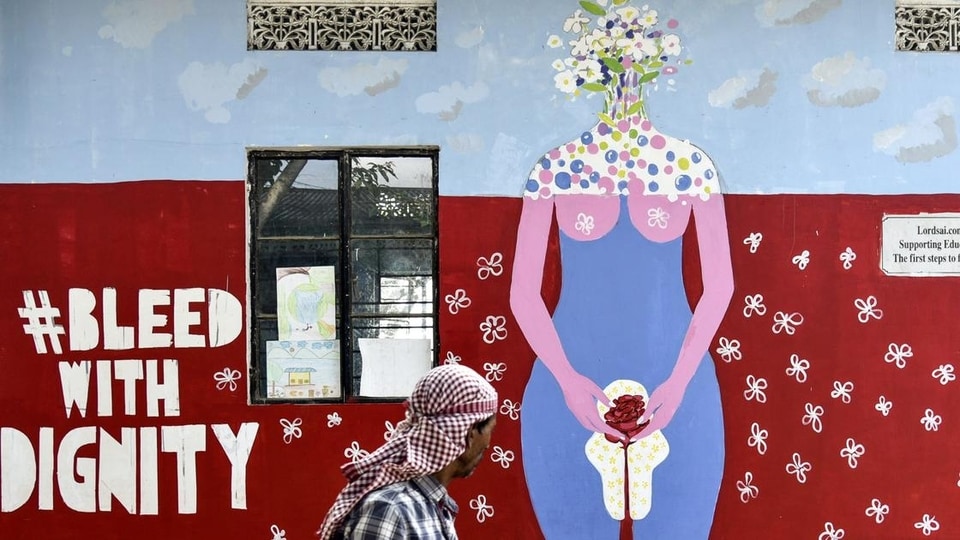
While Karnataka's news policy is seen as a welcome step by many, it isn't the first time menstrual leave has been discussed in India, and it represents a significant move in the debate. Karnataka is one of the few states in India to extend this benefit beyond government offices to include the private sector.
What exactly has Karnataka done?
The state cabinet has greenlit a policy that allows all working women, across industries and sectors, to take one paid day off every month if they are experiencing menstrual discomfort.
Unlike some earlier policies in India that applied only to government employees, Karnataka's initiative also includes private companies.
Why is Karnataka's menstrual leave policy a big deal?
Karnataka's policy is presented as a necessary step forward in the realm of workplace inclusion, marking one of the first states in India to offer paid leave for menstrual leave among government employees, not just in the private sector.
In states such as Bihar and Kerala, menstrual leave is only offered to public employees or students. Karnataka acknowledged that women employed in the public or informal sector comprise the majority of working women in India.
How many other Indian states offer menstrual leave?
With this new policy, Karnataka has joined a small but growing list of Indian states that offer menstrual leave to its female workforce. This list includes Bihar, which provides two days of menstrual leave per month but only for government employees.
Odisha has a similar policy, but it is again limited to the public sector. Kerala, on the other hand, offers period leave to female students and staff in some state universities and government institutions.
Also Read | On menstrual leave for women, Supreme Court's directive to Centre: ‘How will…’
However, Karnataka is the only state to implement a statewide policy that applies equally to both government and private employees.
What private companies do
Even without an official national policy, some private companies in India have been ahead of the curve and offer rightful menstrual leave to their female employees.
Also Read | When paid period leave is mandatory
These include Zomato, Acer India, Byju's, Swiggy, and Culture Machine. Zomato offers up to 10 days of period leave per year, while Acer India recently announced one day of paid leave every month for women.
Global picture
Globally, menstrual leave remains rare and unevenly applied, as only a handful of countries worldwide offer it, but implementation varies widely.
Japan has allowed menstrual leave since 1947, although it is often unpaid and rarely used due to workplace stigma.
South Korea permits one day of unpaid leave per month, while Indonesia offers two days of paid leave. Zambia allows one paid day off per month for menstruation.
In Europe, Spain became the first country to legalise paid menstrual leave in 2023. Other countries to offer menstrual leave include Taiwan and Vietnam.


