
 E-Paper



Who will stop the Modi juggernaut? Hunt begins for a face of united opposition
The Narendra Modi-led BJP’s relentless victory march in election after election has revived talks of a united opposition for the 2019 Lok Sabha polls. But the question remains: Who will be the face of a combined opposition?


A thumping BJP victory in the recent assembly polls, including the bell weather state of Uttar Pradesh, has once again send the opposition scurrying for cover. The Congress has called for a broad-based grand alliance of opposition parties to defeat Prime Minister Narendra Modi and the BJP in the 2019 Lok Sabha elections.
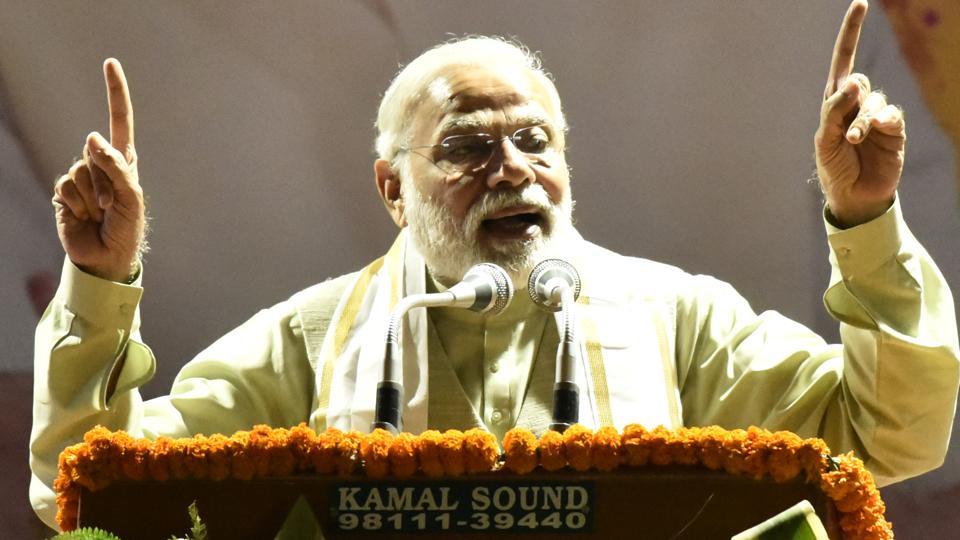
While the Janata Dal (United), the Rashtriya Janata Dal (RJD) and the Left have endorsed the idea, the big question remains: How will other regional players respond to the suggestion?
And most importantly, if the grand alliance is firmed up, who will be the Prime Ministerial face of a combined opposition? HT looks at the options:
Rahul Gandhi
Being the leader of the largest opposition party, Gandhi is the strongest claimant. He has not posted huge electoral wins and has also been unable to overcome the tag of a “reluctant politician”. But – given the ego battles amongst the regional satraps – Gandhi could still emerge as the consensus candidate.
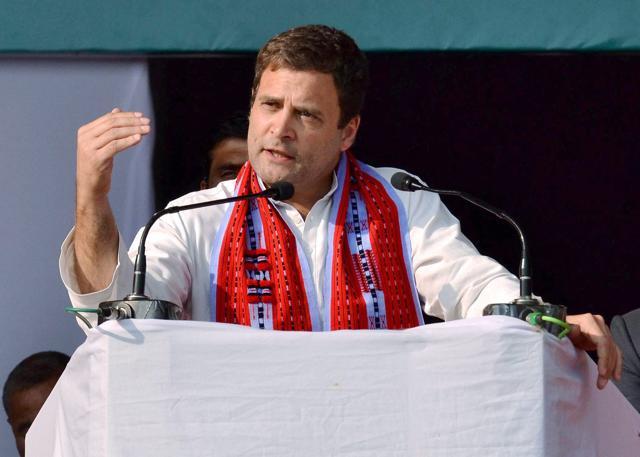
His obvious disadvantage is his unacceptability among the masses. The Congress vice president might even be forced to play second fiddle to any other popular leader. The possibility of Gandhi nominating a party colleague cannot be ruled out.
Arvind Kejriwal
The humiliating defeat in Punjab and Goa may have dampened the spirits of the Delhi chief minister, but not his ambitions of emerging as a pan-Indian leader. Seen as a leader who could give a tough fight to Modi, Kejriwal shares a good equation with West Bengal chief minister and Trinamool Congress president Mamata Banerjee, Janata Dal (United) chief Nitish Kumar and some Left leaders as well.
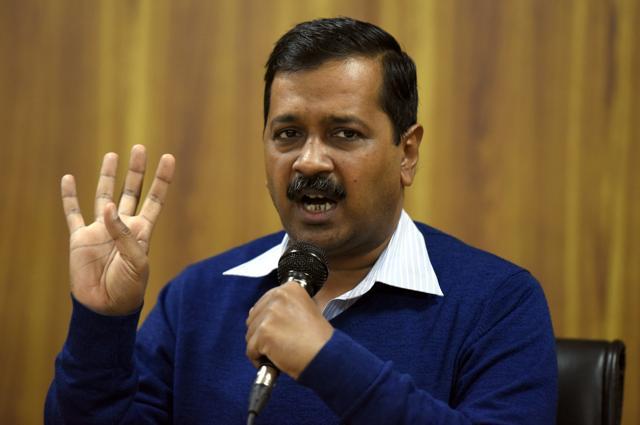
He is among the first of the next-gen leaders to have made a mark by playing on the theme of “aspirational India”. But, after the initial burst of popularity, his image as a potential challenger to Modi has been considerably weakened.
Nitish Kumar
With established credentials of a politician who can deliver good governance, Nitish Kumar has the best chance to emerge as the face to challenge Modi in the 2019 elections.
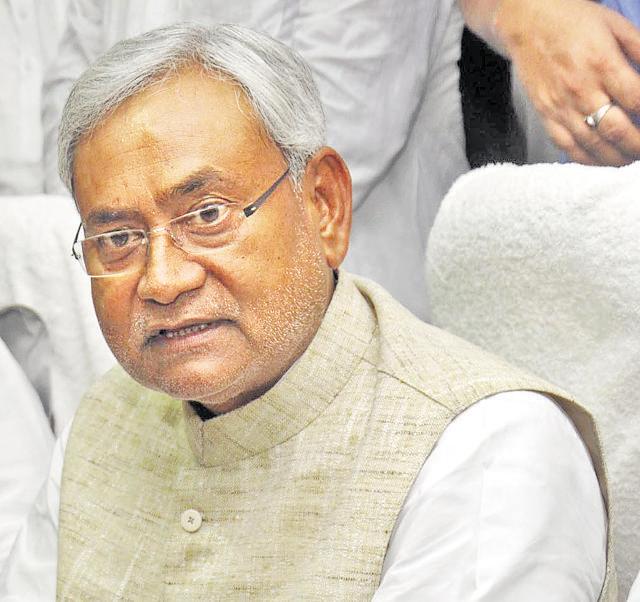
After the success of the “Bihar model” -- when the RJD-JDU-Congress combine defeated the BJP in the 2015 assembly elections -- Kumar is considered a potential Prime Ministerial candidate. On the flip side, he lacks the support base of a dedicated cadre and is not seen as a team player.
Mulayam Singh Yadav
The grand old sire of the socialist ideology, Mulayam can also be considered a compromise candidate for the leadership job in a proposed alliance. Yadav has the struggles of his past in his favour, but has been devastated by a double whammy of circumstances in recent months.
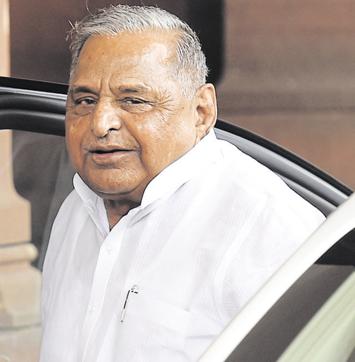
His image and status first took a hit when his son Akhilesh replaced him as the Samajwadi Party chief. The subsequent drubbing of the Samajwadi Party at the hands of the BJP in the recent UP assembly elections appears to have done him in further. But politics – like cricket – is a game of glorious imponderables.
Mamata Banerjee
The feisty West Bengal chief minister has the spirits and courage to match Modi’s firepower. She is today one of the rare Indian politicians who have a strong mass base support. She also has had stints as a cabinet minister at the Centre.
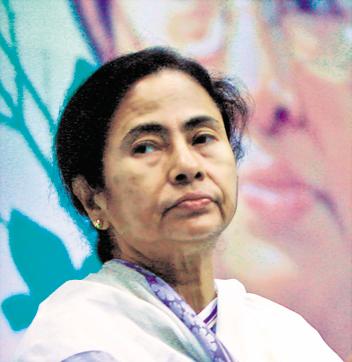
But – to her disadvantage – her appeal has remained restricted to West Bengal. But, if circumstances so warrant, the Opposition camp might well be tempted to field Mamata against Modi.
Mayawati
If the opposition camp aims at recreating the political tapestry around the slogan of “haves versus have-nots”, Bahujan Samaj Party leader Mayawati could well emerge the face of the struggle. Her party may well have been decimated in the 2014 parliamentary and 2017 assembly elections of UP, but her support base at the ground level has not been radically transformed.
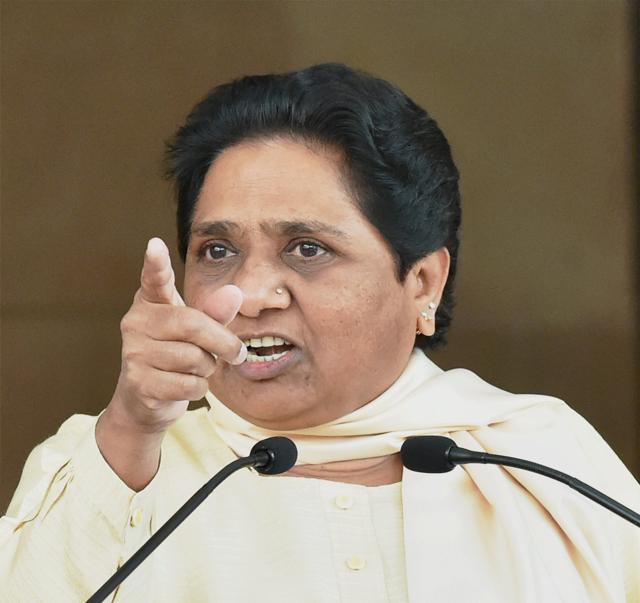
The BSP won less than 20 seats in the just-concluded assembly elections, but secured a vote share of 22%. The BSP is also the only regional party to have some token presence in almost all states of the Hindi heartland. However, the Dalit leader lacks negotiating skills and is not considered an accommodating leader.
Naveen Patnaik
With a proven record of governance, the three-time Odisha chief minister Naveen Patnaik could well emerge the dark horse. He is non-controversial and is very much seen as a gennext leader.
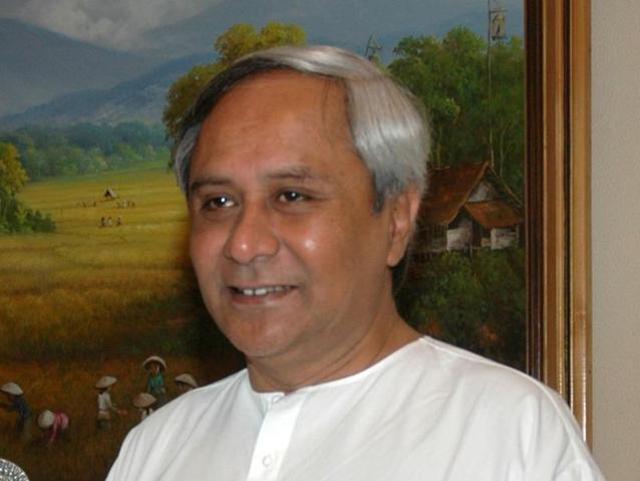
But recent setbacks in local elections show that his hold over state polity has been weakening. Also, the compulsions of state politics might prevent him from aligning with the Congress.


