
 E-Paper



Why Govt has to race against time to pass the Finance Bill
Parliament insiders say that it is possible only if the government works in a lightning speed and take the Opposition into confidence.


The Narendra Modi government has to move fast to approve the Finance Bill 2020 as it also looks to adjourn the budget session in the wake a virtual lockdown by various states and health advisories against large gatherings following the Covid-19 outbreak.
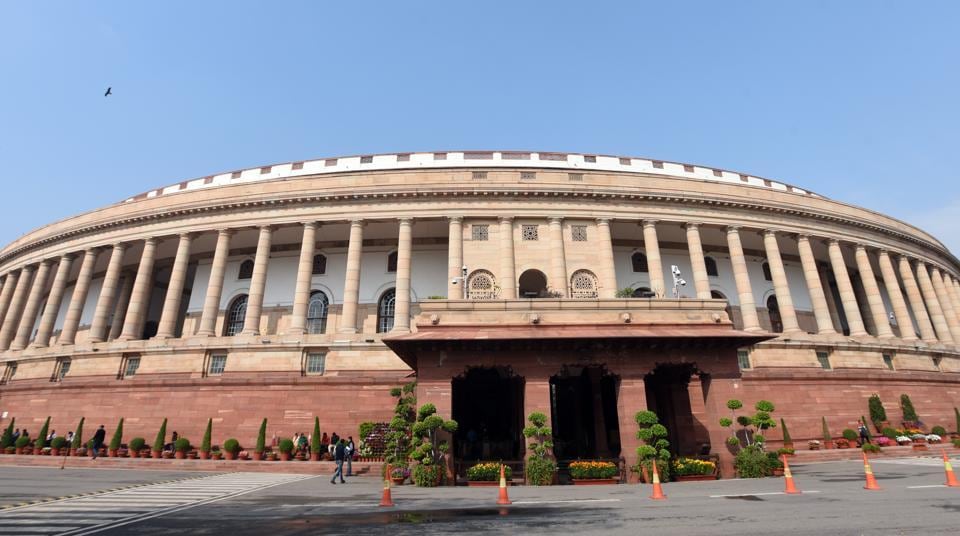
The finance bill, which allows the government to raise new taxes and change the tax structures, is required to be passed by the Lok Sabha. Failure to pass the finance bill—or any money bill—means that the government must resign as it can’t raise taxes or spend money from the federal exchequer.
While the government enjoys absolute majority in the Lok Sabha, the problem with this year’s finance bill lies elsewhere.
According to Article 109(2) of the Indian Constitution, “After a Money Bill has been passed by the House of the People (Lok Sabha) it shall be transmitted to the Council of States (Rajya Sabha) for its recommendations and the Council of States shall within a period of fourteen days from the date of its receipt of the Bill return the Bill to the House of the People with its recommendations and the House of the People may thereupon either accept or reject all or any of the recommendations of the Council of States.”
The Constitution also says in Article 109 (5) that if a Money Bill “is not returned to the House of the People within the said period of fourteen days, it shall be deemed to have been passed by both Houses.”
So, to clear the Finance Bill 2020, the government not only needs approval of the Lok Sabha but also has to get it returned from the Rajya Sabha.
But time is running out for the government as the bill has to be passed by Parliament by March 31 to allow the government tweak its existing tax structure.
And so, it doesn’t have the luxury to wait for another 14 days to see the bill automatically getting the Rajya Sabha’s approval.
The government not only has to pass the bill in the Lok Sabha but also needs it back from the Rajya Sabha in a breakneck speed, as it looks to close the session as early as possible.
Parliament insiders say that it is possible only if the government works in a lightning speed and take the Opposition into confidence.
It also has to convince the President of India as any movement of the bill from one House to another can’t happen without the President’s approval.


