E-Paper



Woman injured in bear attack in Dehradun’s Doiwala area
Forest department officials said the woman, Sushila Bhandari, was caught off guard when the bear suddenly emerged and pounced on her

 Prefer HTon Google


Haridwar: A 43-year-old woman was injured after a bear attacked her while she was collecting fodder in her agricultural field in the Doiwala–Jolly Grant area of Uttarakhand’s Dehradun district on Thursday, forest officials said.
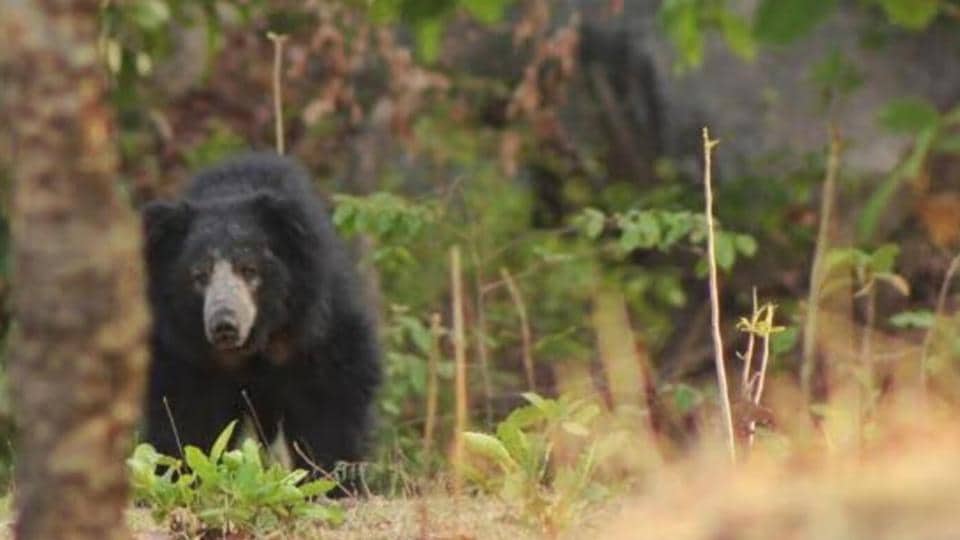
Forest department officials said the woman, Sushila Bhandari, was caught off guard when the bear suddenly emerged and pounced on her.
Following the incident, forest officials intensified vigilance and patrolling across the Doiwala, Dehradun and Rishikesh ranges.
“This is a rare instance of a bear being spotted and attacking a human in this area. Villagers are fearful and are avoiding moving alone. We have been assured by forest officials that adequate steps will be taken to safeguard residents of Gadool and nearby villages,” said social activist Dharmendra Rawat.
According to forest officials, the injured woman is currently undergoing treatment at Himalayan Hospital in Jolly Grant.
“The victim is receiving medical care and the forest department is providing compensation and covering medical expenses as per norms,” Thano range officer NL Dobhal said.
He added that efforts are underway to trace the bear and prevent further incidents, while villagers are being sensitised about safety measures.
Wildlife experts have termed the incident alarming, pointing to a growing trend of wild animals venturing into plains and residential areas. “This is a dangerous sign. Doiwala is witnessing a bear for the first time, indicating that wildlife is increasingly moving towards human settlements,” said Gagan Matta, assistant professor in the department of environmental science at Gurukul Kangri University.
Matta explained that Gadool and Kemath villages lie close to the border of the hilly Tehri Garhwal district, making it likely that the bear migrated from higher mountain terrain. “The presence of oak trees in this belt is another factor, as bears are attracted to their seeds,” Matta said.
Forest officials said an awareness campaign is being launched in the affected villages. Residents are being advised to move in groups in areas with bear sightings, use firecrackers or beat drums to deter animals, avoid dumping biodegradable waste near homes, and immediately inform the forest control room about any wildlife movement.
Meanwhile, in a separate incident, forest teams have deployed drone surveillance in Nyalsu village of Rudraprayag district to track a bear that attacked a 55-year-old villager, Mangal Singh, earlier this week, officials said.
Reacting to the increasing incidents, forest and environment minister Subodh Uniyal said special monitoring is being carried out in wildlife-sensitive areas across the state. “Divisional and sub-divisional forest officers have been directed to reach conflict sites immediately. Local communities are being sensitised, and necessary equipment is being procured to deal with such situations,” he said.
Uniyal added that climate change was also contributing to wildlife intrusion into human habitats. “The state government has announced time-bound compensation and increased relief for those injured or killed in wild animal attacks,” he said.