
 E-Paper



De-radicalisation on home ministry’s agenda
Security agencies have moved the home ministry for an effective de-radicalisation programme to counter the threat posed by the Islamic State and other fundamentalist groups.

 Prefer HTon Google


Security agencies have moved the home ministry for an effective de-radicalisation programme to counter the threat posed by the Islamic State and other fundamentalist groups.
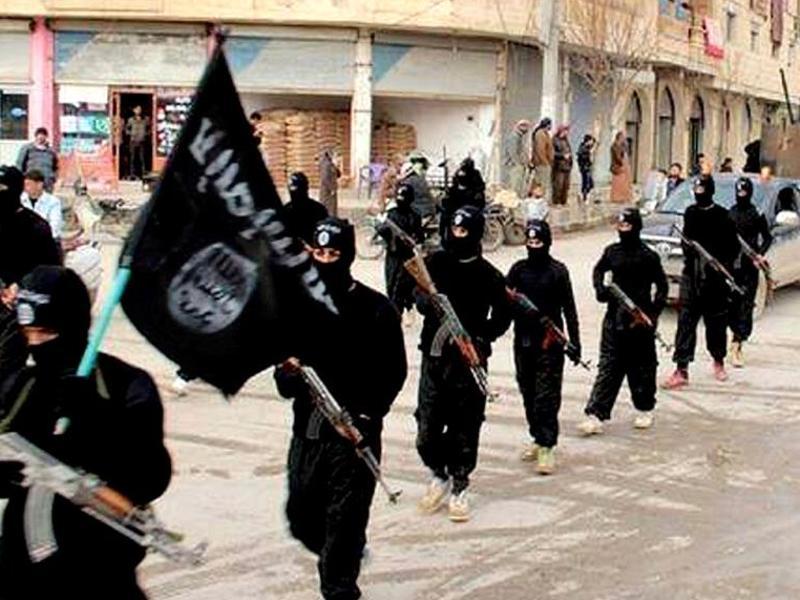
Besides the 23 Indians who have joined the IS in Syria and Iraq, the agencies have managed to dissuade no less than 67 Indian Muslim youth, mostly from Andhra Pradesh and Tamil Nadu, from joining the terror bandwagon.
Top sources in the Modi government said counter-terror agencies want the de-radicalisation programme to involve other arms of the government, including education, labour, employment, skills and rural development ministries so that the problem is addressed holistically.
Countries like the UK, US, Malaysia and Saudi Arabia have already briefed Indian agencies about their ongoing de-radicalisation programmes with special emphasis on prisons.
Despite no such programme existing in India, the counter-terror agencies have kept at least 12 youth from boarding flights to Syria and Iraq via Gulf countries. “We were able to dissuade some 35 youth from leaving India to join IS and have been able convince parents of some 32 youth to counsel their children against the rabid IS ideology on the basis of alert Internet monitoring,” said one counter-terror operative. In the absence of any law to prevent youth from getting radicalized, the agencies are taking help of their parents and Muslim clergymen to wean them off the Salafist ideology practiced by the IS.
“It is quite evident from our experience that Indian parents do not want their children to join the IS jihad. India’s Muslim clergy is also totally opposed to this and goes out of the way to help identify youth who have a radical bent of mind,” said a senior home ministry official.
While Hyderabad-based Salman Mohiuddin and his IS recruiter Afshan Jabeen are being held in isolation in connection with their affiliation to the so-called Caliphate, and Areeb Majeed from Kalyan is being held at Mumbai’s Arthur Road prison.
“There is a strong need for de-radicalisation programme in Indian jails as these accused use their sentence time to infect fellow prisoners with rabid ideology as is being seen in Lucknow and Hyderabad jails. Saudi Arabia has set up a de-radicalisation centre with countries like France also initiating programmes to stop brainwashing of youth towards jihad,” said a senior official.


