E-Paper



MP: Activists furious over allowing mining near protected areas
Wildlife lovers in MP are furious over the Centre's decision to allow the mining projects within 10 km of Sanjay Tiger Reserve, Son Ghariyal Wildlife Sanctuary and Kanha National Park.


Environmentalists and wildlife lovers in Madhya Pradesh are furious with the decision of the Centre for allowing the mining projects within 10 km of Sanjay Tiger Reserve and Son Ghariyal Wildlife Sanctuary in Sidhi district and Kanha National Park, which fall in Mandla and Balaghat districts of the state.
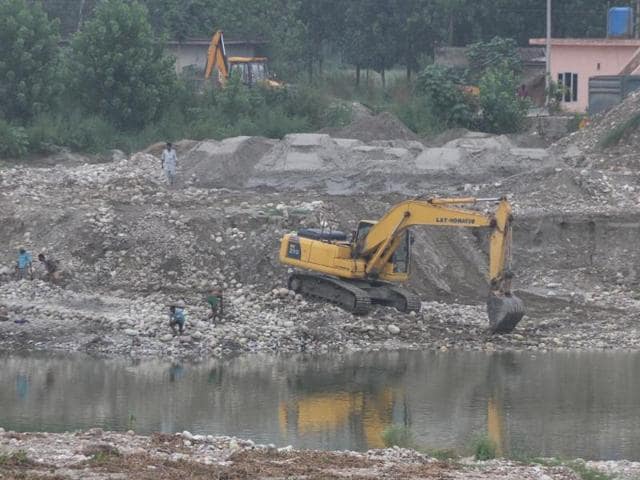
Madhya Pradesh-based environmental action group Prayatna on Thursday said that instead of taking concrete steps to protection of wildlife and environment, the government is just doing the reverse by allowing mining project so close to protected areas.
"Such a decision would be disastrous for the wildlife and environment in and around the protected areas in the long run. Allowing projects with commercial interests will never do any good for the local wildlife and environment. The government should rethink about such decision as the same would hurt environment and speechless animals in the long run," said Wildlife activist and Prayatna secretary Ajay Dubey.
Recently, the Union government panel cleared 130 projects, including mining pits close to protected wildlife areas. A truncated national board for wildlife standing committee had met in August and cleared all the projects, which will come within 10 km of protected areas.
Environmental activist Subash Pandey, who is also editor-in-chief of international research magazine Journal of Environment Research and Development told HT that allowing mining activity close to protected areas would interfere with the normal life of wild animals and would be disastrous for the local ecology.
"Mining activities that involves blasting and deforestation affects the local flora and fauna. Such activities close to protected areas also change the behaviour of animals," said Pandey.
Interestingly, in June this year, National Green Tribunal (NGT) had issued notices to Central government and state government on a petition seeking ban on illegal sand mining around Son Ghariyal Sanctuary in Sidhi district.
The petitioner had filed a complaint before NGT alleging that sand mining in and around Son river was posing a major threat to breeding ghariyals left in the sanctuary. According to Bhopal-based environmentalist Praloy Bagchi, there were some who said that Modi-led government believes that environment should not become a roadblock for development.
"Development is necessary but it should not be at the cost of environment. A line has to be drawn where you decide how much mining will satisfy the development and where it should be allowed and whether it is closed properly with proper restoration. It is sad that environment is being pitted against development like this," Bagchi said.