
 E-Paper



World War I: When Britain sought ‘pinni’ sweets for Indian soldiers
Several such less known stories of Indian soldiers who fought in France and elsewhere during the war (1914-1918) are included in the book, ‘For King and Another Country’ (Bloomsbury) by journalist-author Shrabani Basu, launched here on Thursday.

 Prefer HTon Google


As nearly a million and a half Indians fought in the trenches in Europe during World War I, efforts were made in London to organise comforts for them, such as music, oil, combs, Sikh religious objects – and also the Punjabi sweet, ‘pinni’, a new book reveals.
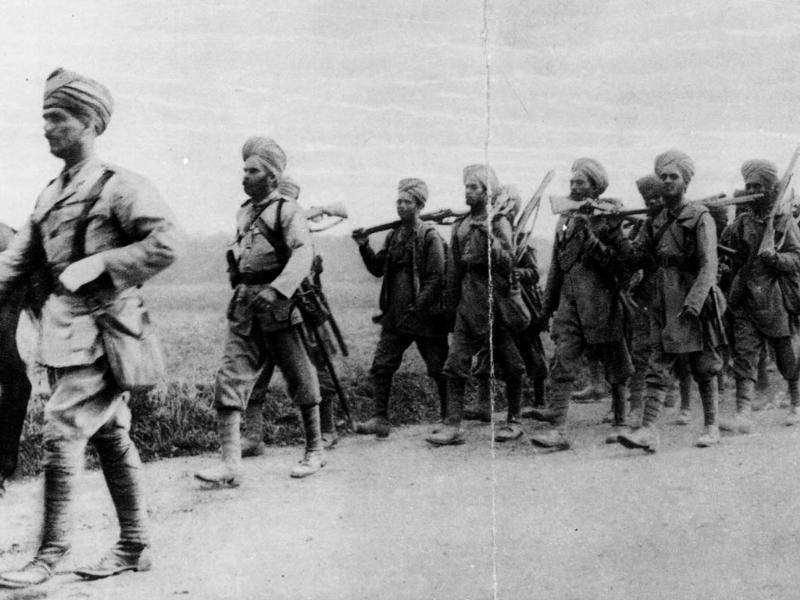
Several such less known stories of Indian soldiers who fought in France and elsewhere during the war (1914-1918) are included in the book, ‘For King and Another Country’ (Bloomsbury) by journalist-author Shrabani Basu, launched here on Thursday.
Indian children as young as 10 were sent to the frontline, the book reveals, and adds that it was the first time ‘curries’ reached the frontline. There were separate eating/meat slaughtering facilities for Hindu and Muslim soldiers as an army of cooks, cleaners, water carriers accompanied the Indian troops.
A London-based committee was tasked with looking after the comfort of Indian soldiers, and one of the items discussed in detail was the issue of providing them Indian sweets like ‘pinni’, since they did not consider English sweets a good substitute.
“The ladies of the Committee were quite used to unusual requests. The Sikh community in London wrote to them that, while their countrymen found European sweets palatable…the sweets did not possess the same nourishing properties as Indian sweetmeats prepared with flour, ghee, nuts etc”, Basu writes.
“The committee placed a small order for ‘pinnis’ to be manufactured in India and sent to the base depot in Marseilles…The Indian soldiers in France and Belgium longed for Indian sweets and the Committee tried its best to accommodate this request”.
“They even suggested that a man be brought from India to make them in France. The man could also order Indian ingredients like ‘misri’ which was preferred to sugar. Such a supply chain from India would eliminate the need for sugar candy from England”.
It was decided on 15 December 1914 that 30 lbs of Indian sweetmeats, prepared in two batches for Hindus and Muslims respectively, should be sent as samples by the Indian sweet makers, Messrs Veeraswamy & Company, but the initiative was dropped due to high costs.
Later, Basu writes, another attempt was made to see if ‘sewai’, or ‘kheer’ cooked with
vermicelli and milk, could be prepared for the soldiers. But the sweetmeat maker refused to disclose all the ingredients and the committee thought it was too thick, so that too was discarded.
“The Indians would just have to manage with the English sweets”, Basu writes.
The book was an effort to recreate the war through the eyes of Indian soldiers by using primary source material in archives in Britain and narratives from villages in India and Pakistan, Basu said at the launch event in the Nehru Centre.


