Sign in
Editorial independence is core to our work. Some links may earn us a commission, without influencing our opinions.

AC summer comforters vs winter comforters: Which one do you actually need and for which season?

AC comforters suit air-conditioned bedrooms, while winter comforters retain heavy warmth. Choosing the right GSM improves sleep and energy efficiency.

Published on: Mar 3, 2026, 10:13:58 IST
Share
Share via
  • facebook
  • twitter
  • linkedin
  • whatsapp
Copy link
  • copy link

Our Picks

FAQs

Our Picks

ProductRatingPrice

TRANCE Home Linen Premium 100% Cotton Dohar for Double Bed | 150 GSM | Reversible Ac Comforter | Light Weight All Season Soft Blanket (84x90 Inches | Malhaar Red)View Details...

₹1,195

...

VAS COLLECTIONS 220 GSM Microfiber Reversible AC Comforter |Quit | Blanket | Duvets for King Size Double Bed 180Tc (230X250 cm, White, Yellow and Pink)View Details...

₹788

...

Unlock Personalized
EMI Offers

₹200x 6 months₹1,195

Tzafrir Dohar Double Bed, AC Blanket Double Bed for Summer, Comforter, Cotton Duvet King Size, Jaipuri Printed Reversible All Season | Quilt 84"x96" - GreyView Details...

₹1,259

...

innovative edge Reversible AC Comforter for Single Bed Roz use karne wala Blanket Quilt Blanket for Summer & AC Rooms | Soft, Breathable & Comfortable FabricView Details...

₹498

...

Akshya Cotton Summer Blanket King Size Double Bed Reversible AC Comforter Lightweight Breathable Cotton Dohar Summer Quilt for Bedroom ComfortView Details...

₹798

...
View More...
research icon

Research-Backed Choices

Every product we recommend is chosen through a combination of Primary Research and Secondary Research.
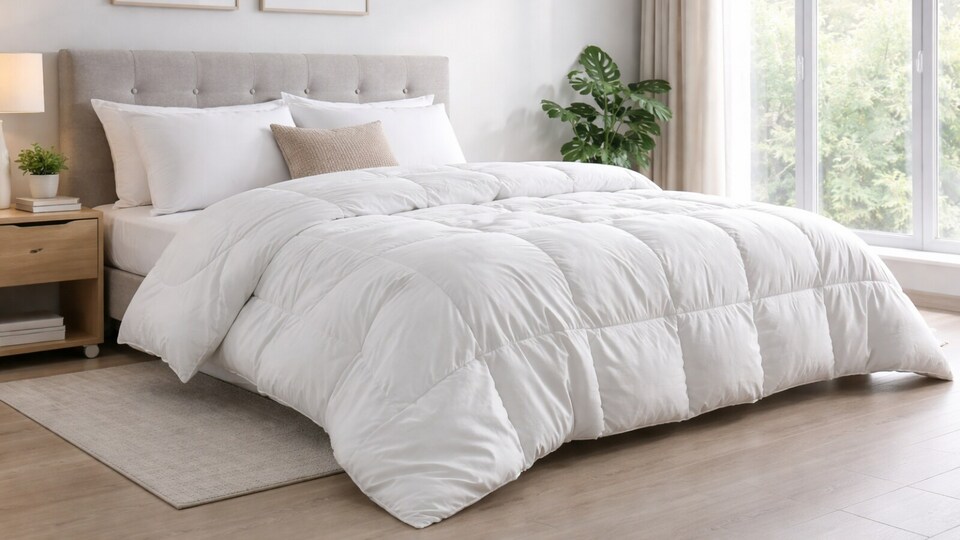
Lightweight cotton AC comforter layered on a neatly made bed in a cool, modern air-conditioned urban bedroom setting. (Ai generated)
Neha Ravi Khandelwal

Neha Khandelwal
Content Lead, HT Travel | Travel & Lifestyle Journalist
With over 10 years of content writing experience, Neha Khandelwal is a lifestyle journalist and the Content Lead at HT Travel. She specialises in destinations, hotels, aviation, luggage, travel gear, and practical guides that help readers plan smarter and travel better. Her work combines first-hand experience, expert insights, and extensive research to create stories that are informative, useful, and easy to follow.

Career Journey & Experience
Neha began her writing career as a freelance journalist in 2010 before entering mainstream media with The Times of India in 2022. She later joined Hindustan Times, where she has written extensively across travel, lifestyle, home, and consumer trends. Her professional background extends beyond journalism. Before moving into digital media full-time, she spent nearly a decade in interior design, managing residential projects from concept to execution. She also trained in visual merchandising with Shoppers Stop and Pantaloons and worked with women-led startups across design and operations. These experiences continue to shape her storytelling, especially in how she evaluates hotels, design-led stays, hospitality spaces, and travel experiences.

A naturally curious learner, Neha has completed beginner certifications in pottery, scuba diving, baking, creative writing, and other creative pursuits. She has read more than 2,000 books, trained in Bharatanatyam for 8 years, and ghostwritten a book on Ladakh tourism.

Subject Expertise
Travel is at the heart of Neha's work. She covers destinations, hotels, airlines, luggage, packing strategies, travel accessories, and emerging travel trends through a mix of reporting, product testing, and conversations with industry experts. A frequent traveller herself, she approaches every trip with a journalist's curiosity and a planner's mindset, focusing on experiences that readers can realistically recreate. From choosing the right cabin bag to decoding hotel openings and destination trends, her writing prioritises practical advice over promotional claims. Her background in interior design also gives her a distinct perspective on architecture, hospitality design, boutique hotels, luxury stays, and thoughtfully designed spaces.

Education & Professional Background
Neha holds a Master's degree in Interior Design. Her early experience in interior design, visual merchandising, and design operations gives her a unique understanding of aesthetics, functionality, and user experience, adding depth to her coverage of hotels, resorts, and travel spaces.

Editorial Philosophy
"As an avid, research-driven traveller, my goal is simple. To answer the questions you actually have before booking a trip. I cut through the promotional noise with honest reporting and expert insights. Making travel planning seamless, smart, and reliable so you always know where to go next."

Read moreRead less

There is nothing worse than struggling in the middle of the night with being too cold one minute and uncomfortably warm the next. Most of us have lived with that Goldilocks-like problem. You wake up shivering, pull the comforter up, then wake again feeling stuffy.

Here is what you need to understand. One fabric and type never works for bedding. Especially not in Indian homes where AC bedrooms are now common. Sleep quality is directly linked to thermoregulation, which is simply your body’s ability to maintain a stable internal temperature. When your bedding does not support your comfort, your sleep suffers.

As someone who feels very cold in winter and suffocated in summer, I learnt this the hard way.

What is GSM, and why is this important?

GSM stands for grams per square metre. It measures the weight and density of fabric or filling inside a comforter. A higher GSM usually means more warmth and insulation, while a lower GSM feels lighter and more breathable. Understanding GSM helps you choose bedding suited to your room temperature and sleep style.

Understanding the AC Comforter

An AC comforter is a lightweight, breathable blanket made for air-conditioned rooms. It is designed to feel cosy without trapping heat. You get the comfort of a blanket without feeling stuffy.

I prefer cotton with a microfibre fill because cotton allows airflow, and the lighter filling keeps the comforter soft but not bulky. Fabrics like bamboo and Tencel also work well for this reason.

Most AC comforters fall between 150 and 250 GSM. That lower GSM means less insulation. In a bedroom set between 22°C and 25°C, this is exactly what keeps you comfortable through the night.

Loading Suggestions...

What makes winter comforters inappropriate for summer weather?

Winter comforters are made to retain heat. They are thicker, heavier, and built to keep warmth close to your body during colder months. These comforters create air pockets that hold warmth in place.

You will usually see GSM starting at 400 and going higher. The higher the GSM, the more insulation you get. These comforters create air pockets that hold warmth in place.

In an AC bedroom during summer, this much insulation feels stuffy and makes you warmer than you want to be. You lower the temperature to cope with the discomfort and eventually burn more electricity. It is far better to switch to the right layer and keep the AC at a pleasant temperature.

Loading Suggestions...

Comparison breakdown: GSM, fill, and fabric weave

FeatureAC ComforterWinter Comforter
Breathability and LoftFlatter, lighter, allows better airflowThick, puffy, built to trap warm air
Moisture HandlingHelps sweat evaporate and move away from the bodyTraps air to retain heat, not designed for moisture release
Weight and DrapeLight drape that contours gently without feeling heavySits higher on the body and insulates through bulk
GSM RangeUsually between 150 and 250 GSMTypically 400 GSM and above

My experience over time with both types of comforters

When I compared both at home, the difference was immediate. The winter comforter kept getting kicked off during summer nights. The AC comforter stayed in place, and I finally slept through without adjusting it constantly.

If your AC bedroom stays between 18°C and 22°C, a light AC comforter works beautifully. If you prefer 22°C to 25°C as I do, it is almost essential. If your room drops below 18°C during peak winter, then bring out the winter comforter. It is as simple as understanding your room temperature before you make the right choice.

There is also the hot sleeper exception. Some people generate more body heat naturally. They may need an AC comforter even in December.

Loading Suggestions...
AC comforter for summer: FAQs
For air-conditioned bedrooms, look for a comforter between 150 and 250 GSM. This range provides light coverage without overheating the body. It is ideal for rooms maintained between 22°C and 25°C.
Yes. Cotton is breathable, soft on the skin, and allows airflow. When paired with a light microfibre fill, it offers comfort without feeling bulky or suffocating.
If you are a hot sleeper or live in a city with mild winters, you can. In colder months below 15°C, you may need a heavier winter comforter instead.
Most are. Since they are thinner and less bulky than winter comforters, they usually fit comfortably into standard washing machines, making maintenance simple.

The author of this article holds a Master's Degree in Interior Design and has spent over a decade in research, teaching, and designing homes from scratch.

Disclaimer: At Hindustan Times, we help you stay up-to-date with the latest trends and products. Hindustan Times has an affiliate partnership, so we may get a part of the revenue when you make a purchase. We shall not be liable for any claim under applicable laws, including but not limited to the Consumer Protection Act, 2019, concerning the products. The products listed in this article are in no particular order of priority.

  • Neha Khandelwal
    ABOUT THE AUTHOR
    Neha Khandelwal

    Neha Khandelwal Content Lead, HT Travel | Travel & Lifestyle Journalist With over 10 years of content writing experience, Neha Khandelwal is a lifestyle journalist and the Content Lead at HT Travel. She specialises in destinations, hotels, aviation, luggage, travel gear, and practical guides that help readers plan smarter and travel better. Her work combines first-hand experience, expert insights, and extensive research to create stories that are informative, useful, and easy to follow. Career Journey & Experience Neha began her writing career as a freelance journalist in 2010 before entering mainstream media with The Times of India in 2022. She later joined Hindustan Times, where she has written extensively across travel, lifestyle, home, and consumer trends. Her professional background extends beyond journalism. Before moving into digital media full-time, she spent nearly a decade in interior design, managing residential projects from concept to execution. She also trained in visual merchandising with Shoppers Stop and Pantaloons and worked with women-led startups across design and operations. These experiences continue to shape her storytelling, especially in how she evaluates hotels, design-led stays, hospitality spaces, and travel experiences. A naturally curious learner, Neha has completed beginner certifications in pottery, scuba diving, baking, creative writing, and other creative pursuits. She has read more than 2,000 books, trained in Bharatanatyam for 8 years, and ghostwritten a book on Ladakh tourism. Subject Expertise Travel is at the heart of Neha's work. She covers destinations, hotels, airlines, luggage, packing strategies, travel accessories, and emerging travel trends through a mix of reporting, product testing, and conversations with industry experts. A frequent traveller herself, she approaches every trip with a journalist's curiosity and a planner's mindset, focusing on experiences that readers can realistically recreate. From choosing the right cabin bag to decoding hotel openings and destination trends, her writing prioritises practical advice over promotional claims. Her background in interior design also gives her a distinct perspective on architecture, hospitality design, boutique hotels, luxury stays, and thoughtfully designed spaces. Education & Professional Background Neha holds a Master's degree in Interior Design. Her early experience in interior design, visual merchandising, and design operations gives her a unique understanding of aesthetics, functionality, and user experience, adding depth to her coverage of hotels, resorts, and travel spaces. Editorial Philosophy "As an avid, research-driven traveller, my goal is simple. To answer the questions you actually have before booking a trip. I cut through the promotional noise with honest reporting and expert insights. Making travel planning seamless, smart, and reliable so you always know where to go next."Read More

Explore the latest Lifestyle News on health, fashion, travel, relationships, food and festivals. Find useful tips, expert advice, trends and inspiring stories for everyday living.