
Churn, churn churn: How butters differ
Have you ever wondered about the difference between white and yellow butter? Have you also debated between buying salted or unsalted butter? Here’s the science behind these different types.
Yellow butter: When cows are fed grass rather than grain; they retain the beta carotene pigment in them. This is passed to the milk, where the pigment is stored between fat globules. When cream is churned to make butter, these fat globules are disrupted, exposing the carotene pigment and giving the butter a pleasant yellow hue.
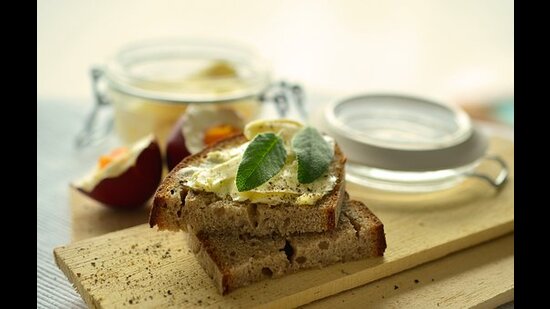
But not all butter sold that is yellow in colour is a result of a cow’s superior diet. For several centuries, people have associated high quality butter with the colour yellow. To maintain the perception of high quality, many farmers in the past and current manufacturers add coloring agents like annatto to keep butter yellow.
White butter: This kind is created in two ways. Butter from animals that are not cows - buffalo, sheep, goat, etc will only produce butter that is white. Even when they are fed grass exclusively, they process the beta carotene into Vitamin A in a way cows do not. This conversion renders the pigment colourless and thus the resultant butter is white as well.
Cows that are not fed grass and primarily fed grains will produce butter that is white. Sometimes this is due to cost reasons; yet there are times it is unavoidable. In winters around the globe, most places have no access to fresh, green grass. In these cases, the cows naturally give white butter during the winter, but revert back to yellow in the spring and summer.
Salted butter: This usually contains between 1-2% added salt. This enhances the flavour of butter and extends its shelf life. Salted butter is often exempt from the “natural flavourings” category since salt adds a sharpness to the taste of butter. But for recipes that need precision, especially when baking, unsalted butter is preferred. Unsalted butter allows the cook to control the amount of salt independent of the amount of butter.

E-Paper

